Energy-Efficient Home Improvements That Can Help Add Value Before You Sell
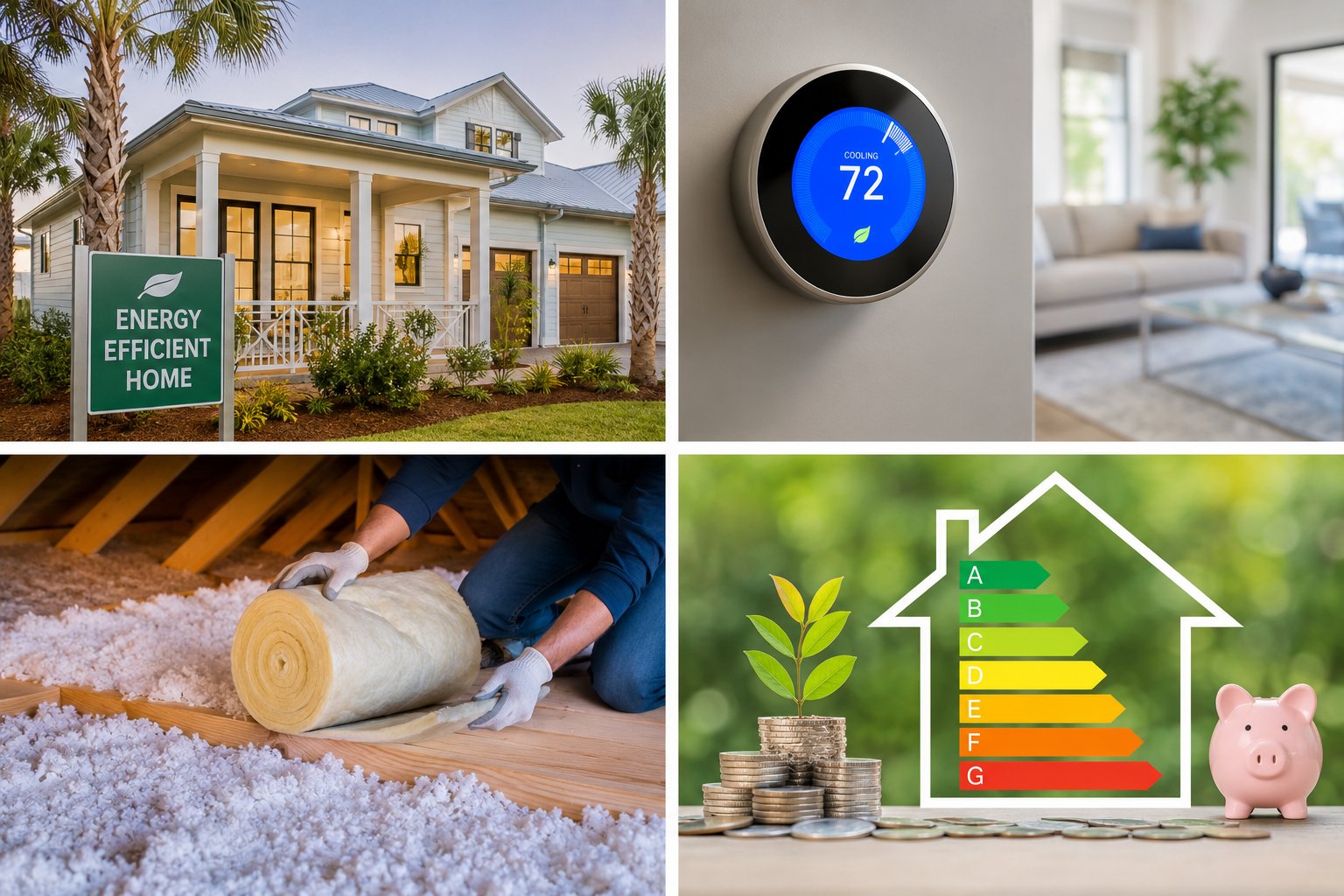
Energy-efficient home improvements can make your home more attractive to buyers by helping lower utility costs, improving comfort, and reducing concerns about future maintenance. They do not automatically guarantee a higher sale price, but smart upgrades can help your home show better, perform better, and stand out in a competitive market.
If you are thinking about selling a home in Panama City Beach, 30A, or the surrounding Emerald Coast area, energy efficiency should be part of the conversation. Buyers today pay attention to monthly costs. They look at insurance, HOA fees, utilities, roof age, HVAC condition, windows, appliances, and overall maintenance.
That means energy-efficient upgrades are not just “green” improvements. They can be practical selling points.
Before spending money, compare your home’s condition against the local market. You can start with a free home valuation, search current Panama City Beach homes and condos for sale, or contact Roger Rietsema for a local pricing conversation.
Why Energy Efficiency Matters to Buyers
Buyers care about more than the purchase price. They also care about the cost of owning the home after closing.
That is especially true in Florida, where air conditioning, humidity control, roof condition, insulation, windows, and appliance efficiency can affect comfort and utility costs.
A buyer may ask:
How old is the HVAC system?
Are the windows efficient?
Is the attic properly insulated?
Are there air leaks around doors or windows?
Are the appliances older or ENERGY STAR certified?
What are the average electric bills?
Has the home had recent improvements?
If your home has smart, well-documented energy updates, those details can help reduce buyer hesitation.
For sellers, the goal is not to overspend. The goal is to make practical improvements that improve comfort, reduce obvious objections, and make the home easier to market.
Start With a Home Energy Checkup
Before you spend money on upgrades, start with an energy checkup.
Florida Power & Light offers a free Home Energy Survey, which can help homeowners understand energy usage and identify possible efficiency improvements. FPL also offers an Energy Manager tool that can help customers monitor and analyze home energy use.
This is a smart first step because it helps you avoid guessing.
Instead of randomly replacing items, you can identify where your home may be wasting energy and which improvements may matter most.
1. Adjust Your Water Heater Temperature
Water heating can be a significant part of home energy use. Energy.gov notes that water heating accounts for about 18% of home energy use, and the Department of Energy recommends keeping the water heater at the warm setting, usually 120°F, to save energy and reduce scalding risk.
If your hot water is too hot to touch, your water heater may be set higher than necessary.
Before changing anything, read the manufacturer’s instructions and make sure the setting is appropriate for your household. Some homes or health situations may require a different setting, so use common sense.
Helpful resource: Energy.gov water heating guide
2. Seal Air Leaks Around Doors and Windows
Air leaks are one of the easiest ways a home loses cooled air in Florida. If your doors, windows, attic access, or exterior penetrations are not sealed well, your HVAC system has to work harder.
ENERGY STAR says homeowners can save an average of 15% on heating and cooling costs by air sealing and adding insulation in key areas such as attics, floors over crawl spaces, and basements.
For Panama City Beach homes, this can be especially important because heat, humidity, and salt air can wear down seals, caulking, and weatherstripping over time.
Check:
Exterior doors
Window frames
Sliding glass doors
Attic access panels
Garage entry doors
Gaps around plumbing or wiring penetrations
Weatherstripping
Door sweeps
Old or cracked caulking
Helpful resource: ENERGY STAR seal and insulate guide
 3. Do Not Randomly Close Air Vents
The old advice used to be: “Close vents in rooms you do not use.”
That is not always a good idea.
Many modern HVAC systems are designed to operate with balanced airflow. Closing vents can increase pressure in the duct system, reduce efficiency, cause comfort problems, and potentially stress the equipment.
A better approach is to have an HVAC professional evaluate airflow, duct condition, insulation, and system performance.
If certain rooms are always too hot or too cold, the issue may be duct leakage, poor insulation, an oversized or undersized HVAC system, blocked returns, or poor airflow design.
For buyers and sellers in Florida, HVAC condition matters. An inefficient or aging HVAC system can become a major inspection and negotiation issue.
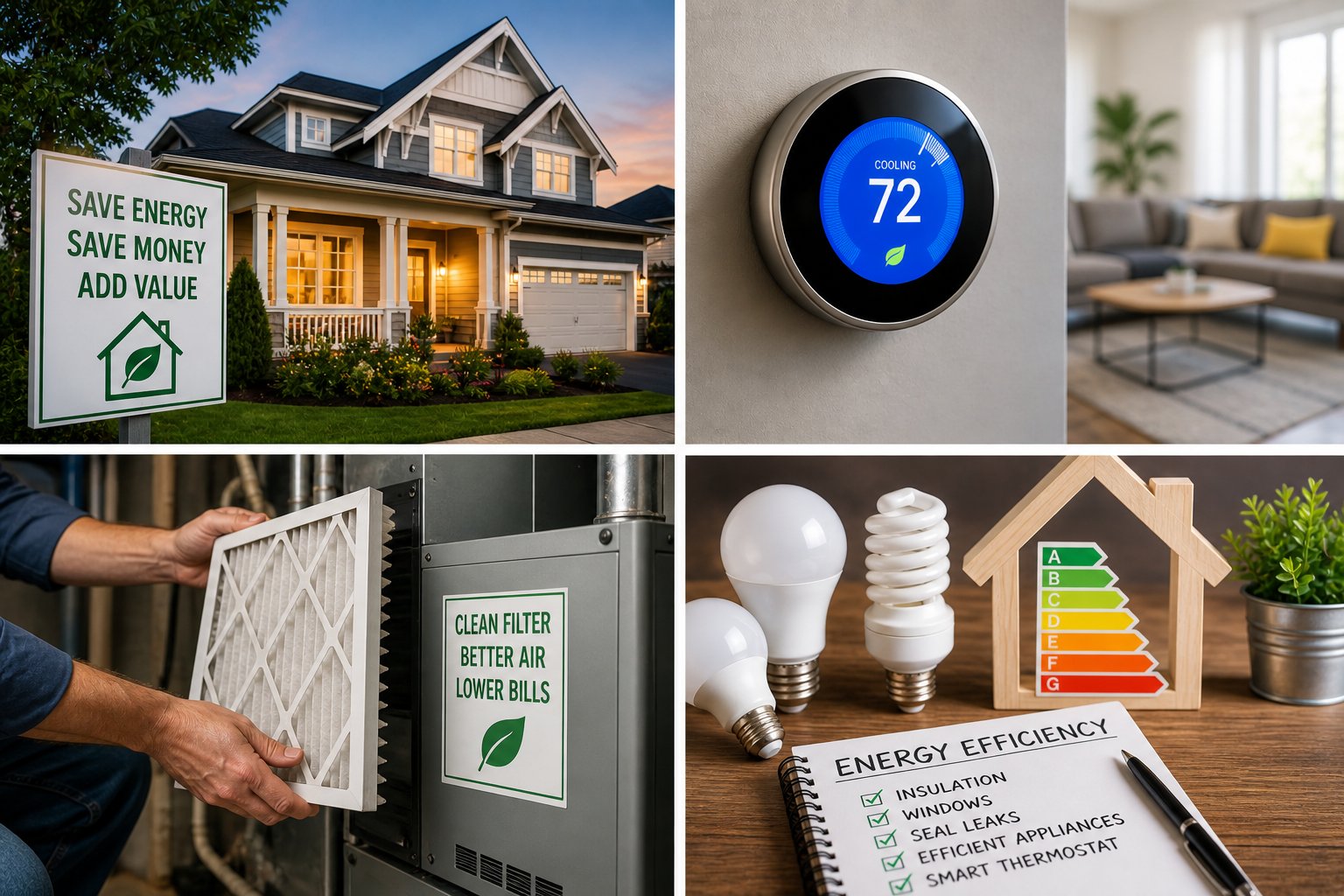
4. Use a Smart Thermostat or Programmable Thermostat
A smart thermostat can help homeowners manage cooling costs more efficiently, especially in Florida where air conditioning is used heavily.
ENERGY STAR-certified smart thermostats are independently certified to deliver energy savings based on actual field data. ENERGY STAR also notes that, for the average American household, almost half of the annual energy bill goes to heating and cooling.
A smart thermostat can help by:
Adjusting temperature settings automatically
Reducing unnecessary cooling when no one is home
Allowing remote control from a phone
Tracking energy use
Improving comfort and consistency
Helpful resource: ENERGY STAR smart thermostats
 5. Keep Heat Sources Away From the Thermostat
This old tip is still useful.
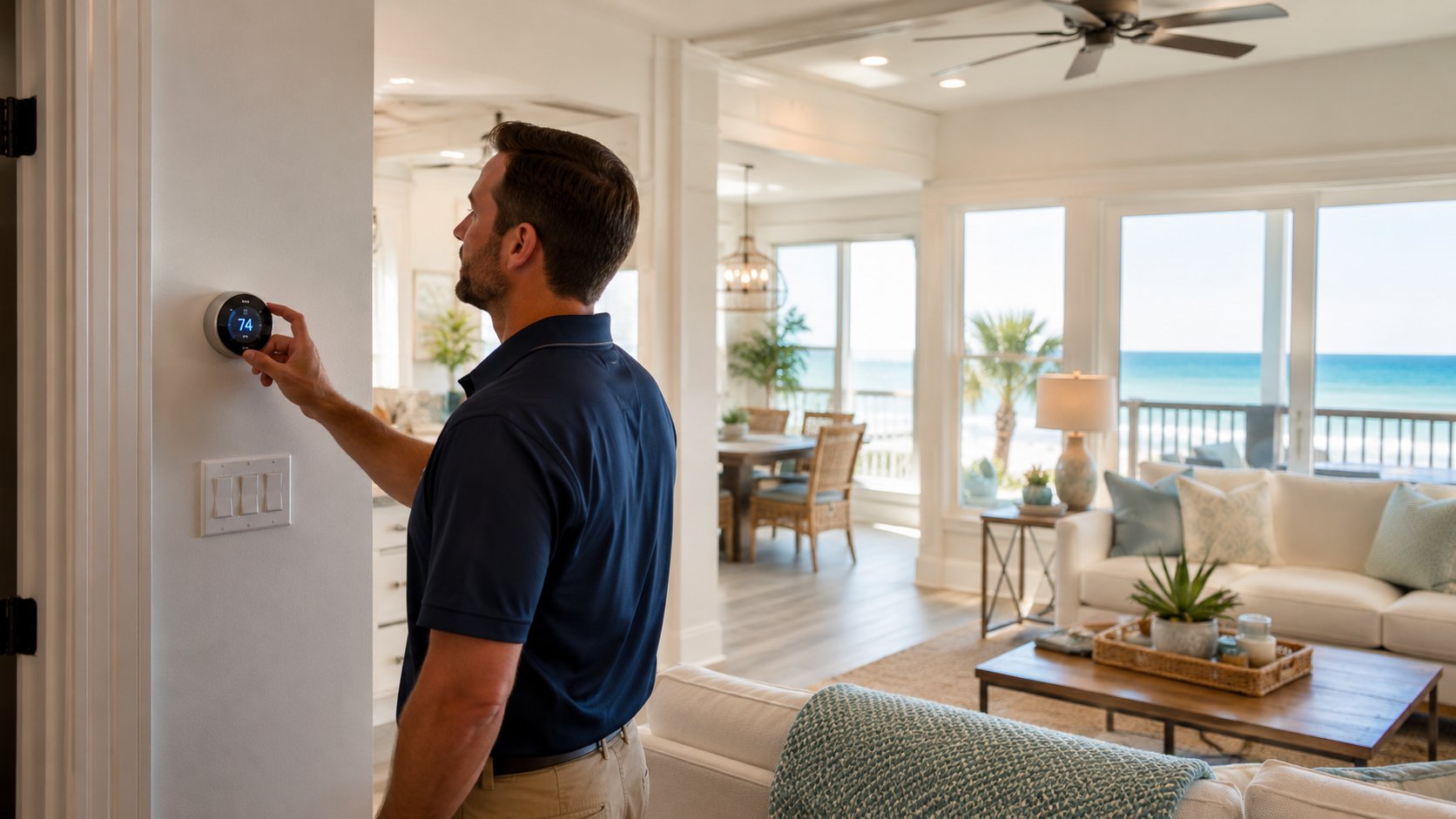
If lamps, televisions, direct sunlight, or appliances are too close to the thermostat, the thermostat may read the room as warmer than it really is. That can cause the air conditioner to run more than necessary.
Check the area around your thermostat.
Avoid placing heat-producing electronics close to it, and make sure the thermostat is not exposed to direct sun or blocked airflow.
This is a small detail, but small details matter when trying to keep utility costs under control.
6. Replace or Clean HVAC Filters Regularly
Dirty HVAC filters can reduce airflow, make the system work harder, and hurt indoor comfort.
In Florida, HVAC systems work hard because of heat and humidity. During heavy-use periods, many homeowners need to check filters monthly. Replacement timing depends on the filter type, pets, dust, occupancy, and HVAC usage.
If you are preparing to sell, replace the filter before showings and before inspection. A dirty filter sends the wrong message to buyers and inspectors.
It is a small, inexpensive step that shows the home is being maintained.
7. Upgrade to LED Lighting
The 2016 advice to replace incandescent bulbs with fluorescent bulbs is outdated.
Today, the better recommendation is LED lighting.
LED bulbs are widely available, use less energy than traditional incandescent bulbs, last longer, and make a home feel cleaner and brighter for showings.
Focus on:
Kitchen lighting
Bathroom lighting
Hallways
Entryways
Exterior fixtures
Garage lighting
Closets
Outdoor security lighting
Buyers notice lighting. A dark home often feels older and less maintained. Good LED lighting can improve both efficiency and presentation.
Helpful resource: ENERGY STAR certified lighting
8. Run Large Appliances Strategically
In summer, large appliances can add heat inside the home.
When possible, run dishwashers, dryers, and other heat-producing appliances early in the morning or later in the evening. Use air-dry settings on the dishwasher when appropriate.
Also consider washing clothes with cold water when possible and using full loads without overloading appliances.
These habits may not change your home value directly, but they can help manage monthly costs and support the overall energy-efficiency story of the home.
9. Improve Attic Insulation and Air Sealing
Attic insulation is one of the most important energy-efficiency items for many Florida homes.
If the attic is under-insulated or poorly sealed, cooled air can escape and hot attic air can affect comfort. That can make the HVAC system work harder.
ENERGY STAR’s air sealing and insulation guidance is a good starting point. For sellers, this may be worth reviewing before listing if the home has high utility bills, uneven room temperatures, or an older attic insulation setup.
Do not assume insulation is fine just because the house looks good cosmetically. Buyers and inspectors may notice comfort issues, moisture concerns, or ventilation problems.
Helpful resource: ENERGY STAR insulation and air sealing
10. Consider ENERGY STAR Appliances
If your appliances are old, inefficient, or near the end of their useful life, replacing them may help the home show better and reduce buyer concerns.
You do not always need to replace every appliance before selling. Sometimes it makes sense. Sometimes it does not.
Focus on the items buyers notice most:
Refrigerator
Dishwasher
Washer and dryer
Water heater
HVAC system
Kitchen appliances
ENERGY STAR-certified products are designed to use less energy than standard models that meet only minimum federal standards.
Helpful resource: ENERGY STAR certified products
Before replacing appliances, compare the cost against your expected resale benefit. A local market review can help you decide whether the upgrade is worth it.
11. Review Windows and Doors
Windows and doors can affect comfort, energy use, storm readiness, noise, and buyer confidence.
In Panama City Beach and 30A, buyers may pay attention to:
Age and condition of windows
Impact-rated or storm-rated features
Sliding glass door condition
Seal failure or fogging between panes
Air leaks
Water intrusion signs
Door hardware and weatherstripping
Insurance-related considerations
Window replacement can be expensive, so do not automatically replace windows before selling without reviewing the numbers.
Sometimes new weatherstripping, caulking, repairs, or documentation may be enough. Other times, window condition can become a major selling issue.
If you are unsure, contact Roger Rietsema before spending money. The right decision depends on your home, price range, and local competition.
12. Keep Documentation for Buyers
If you make energy-efficient improvements, keep records.
Save:
Receipts
Permits, if applicable
Product manuals
Warranties
HVAC service records
Appliance information
Energy audit results
Insulation or air sealing invoices
Window and door documentation
Utility bill history, if helpful
Documentation helps buyers understand what was done and when. It can also help your Realtor market the property more clearly.
Instead of saying “updated home,” you can say:
New ENERGY STAR dishwasher installed in 2025
HVAC serviced in 2026
Attic insulation improved in 2024
Smart thermostat installed
Weatherstripping replaced
LED lighting updated throughout
Specific details are stronger than vague claims.
13. Ask About Energy Efficient Mortgages
Some buyers may be interested in financing energy improvements as part of the home purchase.
HUD’s Energy Efficient Mortgage Program explains that an FHA Energy Efficient Mortgage may allow borrowers to finance cost-effective energy improvements through a single FHA-insured mortgage.
This is not something every buyer will use, and loan rules can change. Buyers should speak with their lender directly before relying on this option.
Still, it is worth knowing about, especially when a home has good bones but needs energy-related updates.

Energy-related tax credits and incentives change over time.
Before making a major improvement, check the current rules through the IRS, ENERGY STAR, your tax professional, and your contractor.
Start here:
IRS home energy tax credits
ENERGY STAR federal tax credits
Do not make a major improvement only because you assume a credit is available. Verify before you spend.
Best Energy-Efficient Improvements Before Selling
If you are preparing to sell and want practical upgrades, start with the improvements buyers are most likely to notice.
Good first steps include:
Replace dirty HVAC filters
Service the HVAC system
Seal obvious door and window leaks
Improve lighting with LED bulbs
Install a smart thermostat if appropriate
Repair damaged weatherstripping
Check attic insulation
Fix leaking faucets
Update old appliances only if the numbers make sense
Gather records for past improvements
The smartest improvements are usually the ones that reduce buyer objections without over-improving the property.
Energy Efficiency and Home Value in Panama City Beach
Energy efficiency can support home value, but it should be positioned correctly.
Do not assume that every dollar spent on energy upgrades comes back dollar-for-dollar at resale. Real estate value depends on location, condition, timing, price range, buyer demand, comparable sales, and the quality of the improvements.
In Panama City Beach and 30A, energy-efficient improvements may help because buyers are thinking about:
Monthly utility costs
Insurance costs
Storm exposure
HVAC condition
Moisture and humidity
Vacation rental operating costs
Long-term maintenance
Comfort for guests or family
For investment properties and vacation rentals, efficiency can also affect operating costs and guest comfort.
If you are trying to decide which improvements make sense before listing, start with a home valuation or review current Panama City Beach homes and condos for sale to compare your property with the competition.
Frequently Asked Questions About Energy-Efficient Home Improvements
Do energy-efficient improvements increase home value?
Energy-efficient improvements can help make a home more attractive to buyers, especially when they lower utility costs, improve comfort, or reduce future maintenance concerns. The exact resale impact depends on the local market, the home’s condition, the improvement cost, and buyer demand.
What is the best energy-efficient upgrade before selling?
The best first steps are usually low-cost improvements: replace HVAC filters, seal air leaks, install LED lighting, service the HVAC system, add a smart thermostat if appropriate, and fix obvious maintenance items.
Should I replace appliances before selling?
Only if the numbers make sense. Replacing old or mismatched appliances can help presentation, but sellers should compare the cost against likely resale benefit before spending money.
Should I replace windows before selling?
Window replacement can be expensive. Sometimes it is worth it, but sometimes repairs, weatherstripping, or documentation are enough. The right decision depends on the home, price point, window condition, and local competition.
Are smart thermostats worth it in Florida?
A smart thermostat can be useful in Florida because cooling costs are a major part of home energy use. It can help manage temperature settings, reduce unnecessary cooling, and improve comfort.
Should I get an energy audit before selling?
Yes, it can be helpful. An energy audit or home energy survey can identify practical improvements before you spend money. FPL offers a free Home Energy Survey for eligible customers.
Bottom Line
Energy-efficient home improvements can help your home feel more comfortable, cost less to operate, and show better to buyers.
For Panama City Beach and 30A sellers, the best approach is practical. Start with the improvements that make the most sense for your home and price range. Do not overspend just because an upgrade sounds good.
Focus on comfort, HVAC performance, air sealing, insulation, lighting, appliance condition, and good documentation.
Start here:
Get a free home valuation
Search Panama City Beach homes and condos for sale
Learn about home inspection companies in Panama City Beach
Contact Roger Rietsema
If you are thinking about selling in Panama City Beach, 30A, or the surrounding Emerald Coast area, Roger Rietsema, Realtor® with Allison James Estates & Homes, can help you decide which improvements are worth doing before you list.
Roger Rietsema, Realtor®
Allison James Estates & Homes
Panama City Beach & 30A Real Estate
850-596-5844
www.SellFL.net