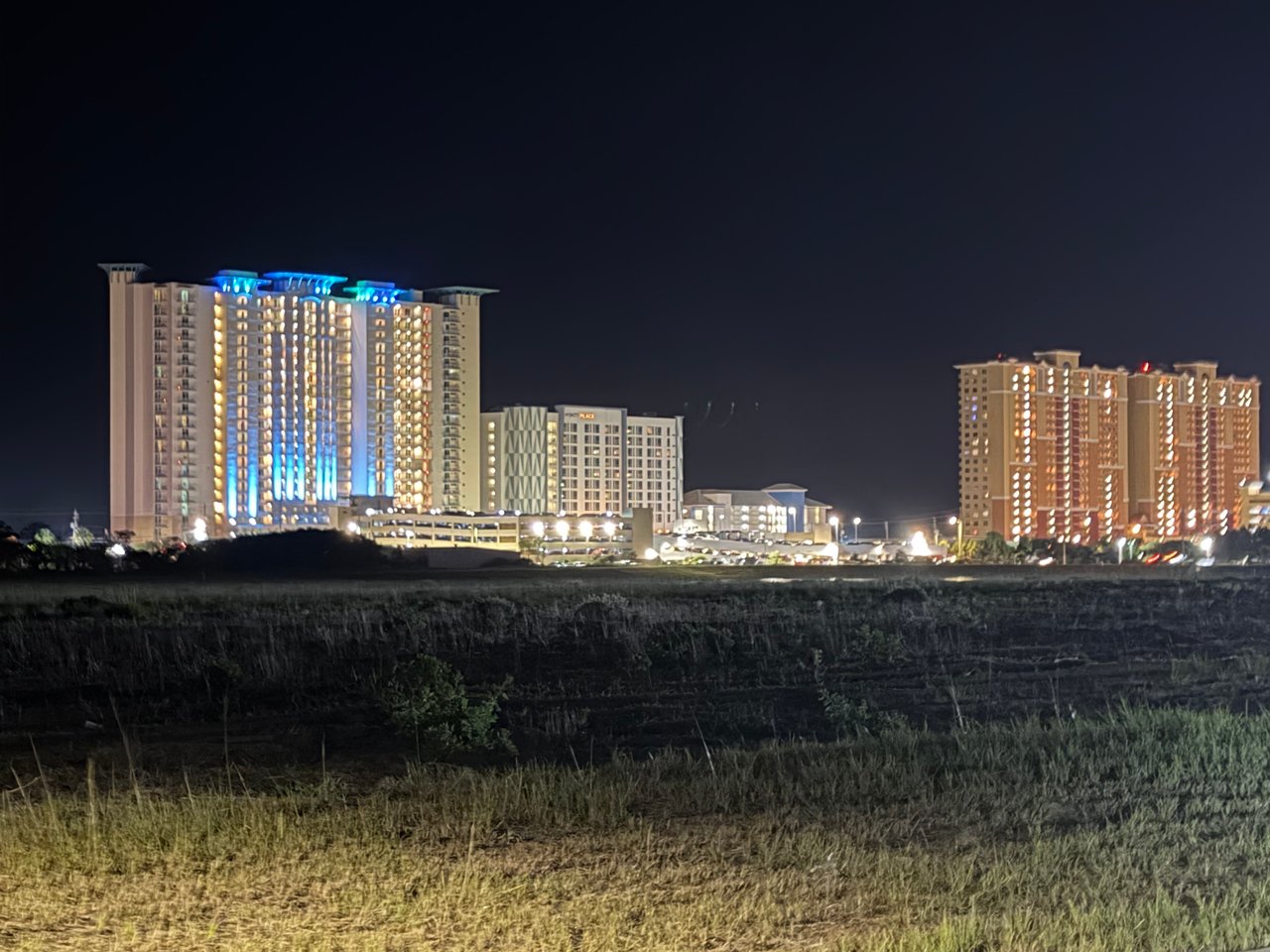
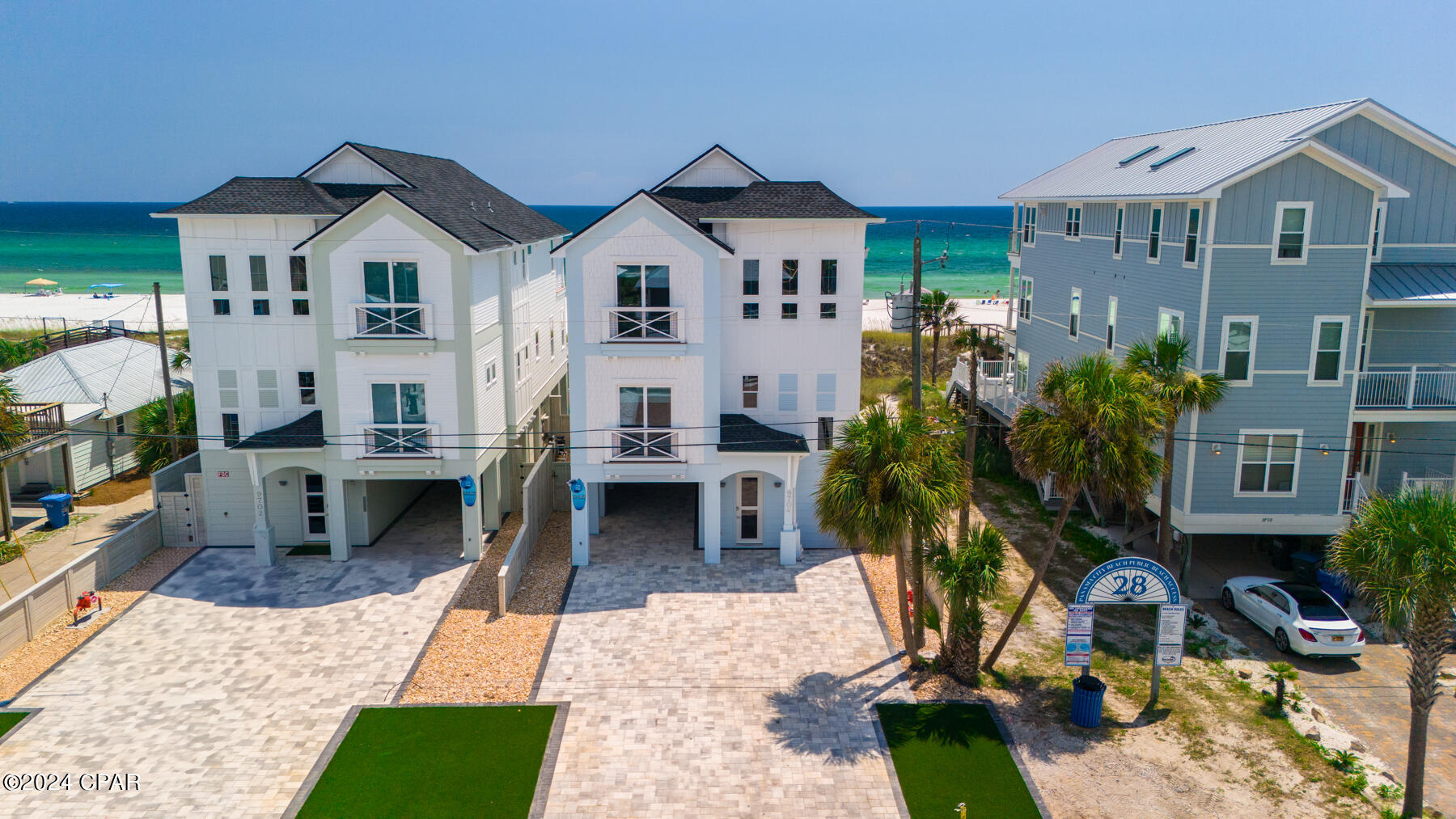
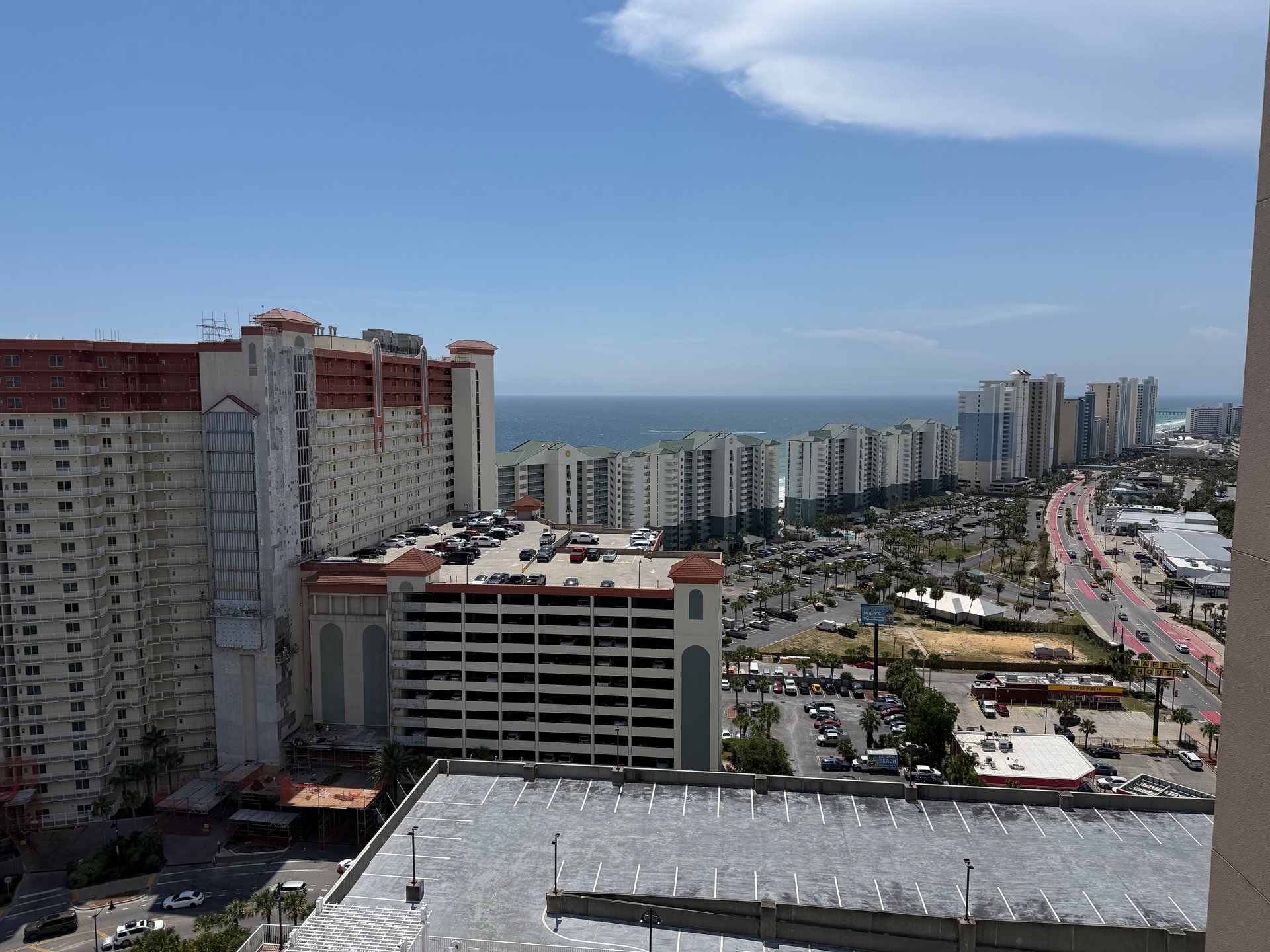
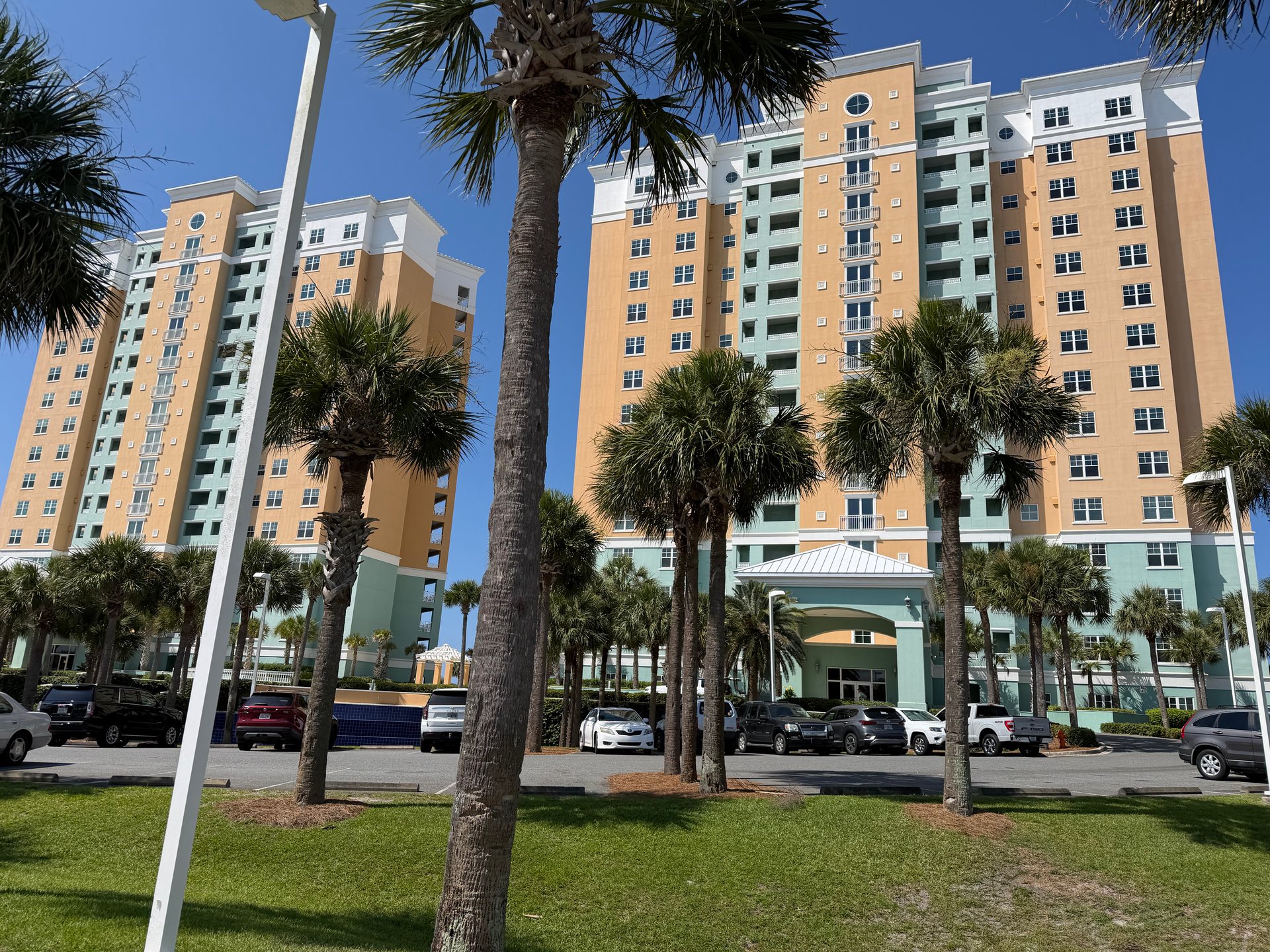
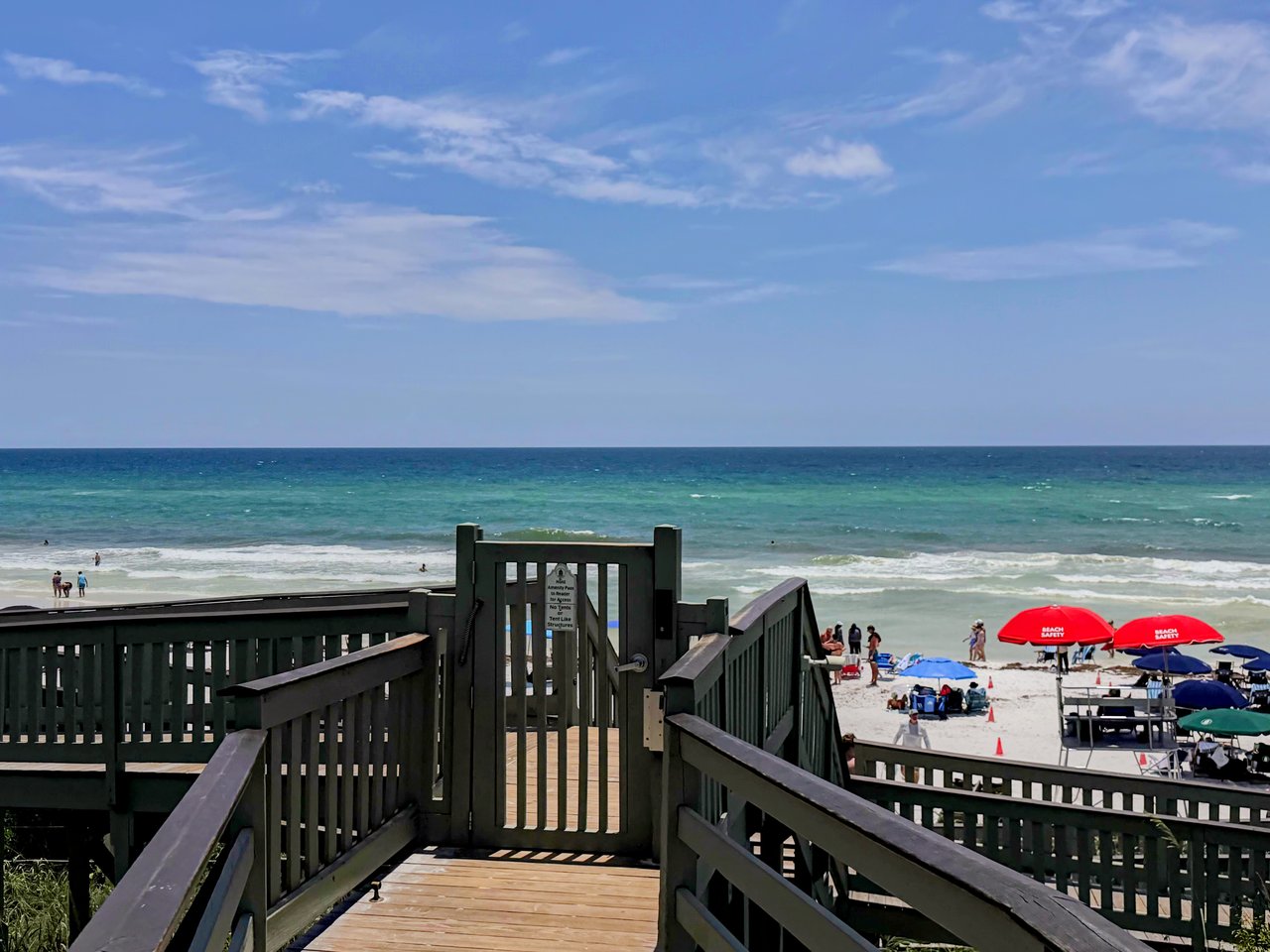
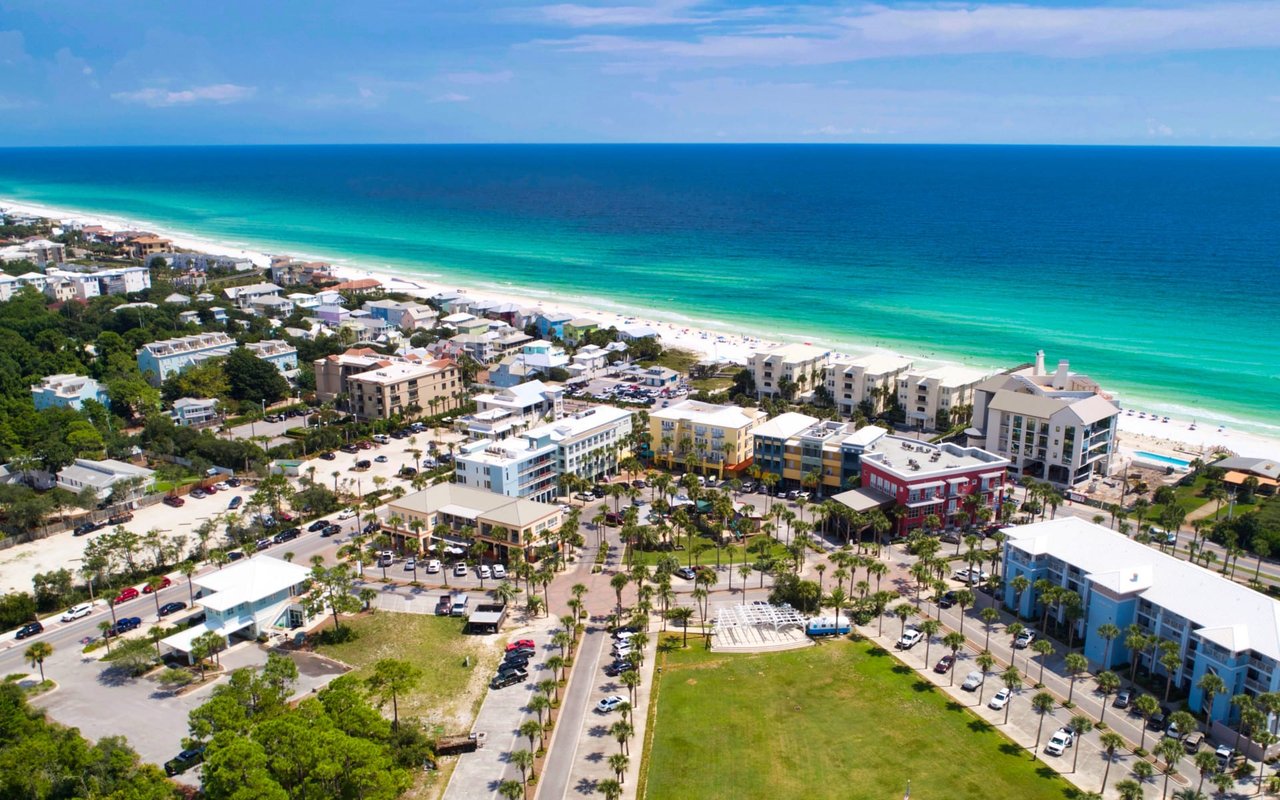
Panama City Beach has a large selection of Gulf-front and Gulf-view condos that may work for vacation rental income, personal use or a combination of both. However, a condo is not automatically a good investment because it has a Gulf view or impressive gross rental projections.
Before buying, review the building’s rental rules, HOA fees, insurance, reserves, special assessments, financing eligibility, parking, elevators, unit condition and realistic net income after expenses.
Roger Rietsema, Realtor® with Allison James Estates & Homes, helps buyers compare Panama City Beach condos from both the real estate and vacation rental sides. Call or text 850-596-5844 or contact Roger about a PCB investment condo.
The listings above should display active Panama City Beach condos that may offer short-term rental potential, second-home use or long-term ownership value. Rental eligibility must be verified for each building and unit before making an offer.
You can also use the full Panama City Beach condo search or compare the best-known beachfront condo buildings in Panama City Beach.
A good investment condo balances guest demand with manageable ownership costs. The best option is not necessarily the least expensive unit or the building with the largest pool.
Strong candidates often have:
A beautiful condo can still be a poor purchase if high fees, assessments, financing problems or building restrictions consume the income.
Gross rental revenue is the amount collected before expenses. It is not the owner’s profit. When comparing Panama City Beach investment condos, use actual rental statements when available and calculate the likely net income.
Estimated gross rental revenue
Minus:
Equals estimated net operating income before mortgage payments and income taxes.
Rental projections can help compare properties, but they are estimates. Ask who prepared the projection, what dates were blocked for owner use, which fees were deducted and whether the projection assumes professional management or self-management.
These are not ranked from best to worst. Each building has a different combination of location, unit size, amenities, fees, rental appeal, parking and ownership risk.
Condo Building | Why Buyers Consider It | What to Investigate |
|---|---|---|
Gulf-front location near Pier Park, restaurants, shopping and entertainment. | Tower differences, parking, HOA fees, rental history, view and unit location. | |
West-end location, Gulf-front units, large amenity package and proximity to Pier Park. | Elevator experience, parking, unit floor, HOA costs, guest traffic and management setup. | |
Quieter west-end location with Gulf-front views and beach access. | Unit condition, parking, HOA finances, rental rules, reserves and current assessments. | |
Central location, resort amenities and a variety of Gulf-front and Gulf-view units. | Tower location, beach access, HOA fees, parking, view corridor and rental history. | |
Large lagoon-style pool, central beachfront location and strong name recognition. | HOA costs, parking, guest procedures, assessments, management options and unit-specific revenue. | |
Family-oriented amenities and west-end Gulf-front location. | Seasonality, family-market competition, HOA fees, unit wear and rental management. | |
Gulf-front location near restaurants, entertainment and Pier Park-area attractions. | Floor plan, view, parking, unit updates, HOA rules, rental performance and financing. | |
Central beachfront setting, multiple towers and an extensive resort presence. | Tower and stack, amenities, elevators, parking, association finances and assessments. | |
Gulf-front location near Shipwreck Island and central PCB attractions. | Rental history, unit position, parking, HOA costs, insurance and building condition. | |
Large resort community with beachfront towers, villas and extensive amenities. | Property type, location within the resort, fees, rental rules and owner responsibilities. |
For a wider comparison, read the Panama City Beach condo buildings comparison guide.
A higher HOA fee is not automatically a bad sign. Some Panama City Beach condo fees include master insurance, exterior maintenance, cable, internet, water, trash, pest control, pools, security, elevators and other amenities.
Compare:
Read the full guide to Panama City Beach condo HOA fees.
Florida condominium buyers need to pay close attention to milestone inspections and Structural Integrity Reserve Studies when applicable. These documents can reveal major repair needs, reserve requirements and possible future assessments.
Florida law generally requires milestone inspections for residential condominium or cooperative buildings that are three habitable stories or more when they reach the applicable age threshold. Current law generally uses 30 years, although a local enforcement agency may require an inspection at 25 years because of local conditions such as saltwater exposure.
Buyers should request and review, when applicable:
Read Roger’s guide to milestone inspections and SIRS for Panama City Beach condos.
Do not assume every Panama City Beach condo allows nightly or weekly rentals. The condominium declaration, bylaws and rules may establish minimum stays, guest registration, occupancy limits, pet restrictions, parking rules or management requirements.
Properties inside Panama City Beach city limits that operate as vacation rentals must comply with current city requirements. The city states that vacation rentals must have a valid Vacation Rental Certificate and that new ownership requires a new registration.
Depending on the property and rental arrangement, owners may also need:
Official resources:
Also read: Can You Use a Panama City Beach Condo as a Vacation Rental?
A buyer may qualify financially while the condominium project does not qualify for the intended loan. Lenders may review the association’s budget, insurance, reserves, litigation, ownership concentration, commercial space, rental activity and building condition.
Some Panama City Beach buildings may require:
Speak with a lender familiar with Panama City Beach condominiums before making an offer. Read Warrantable vs. Non-Warrantable Condos in Panama City Beach.
What to Review | Why It Matters |
|---|---|
Condominium documents | Control rentals, pets, parking, alterations, guest procedures and owner responsibilities. |
HOA budget and reserves | Help reveal whether current dues support expected operating and capital expenses. |
Special assessments | Can materially change the buyer’s true acquisition and ownership cost. |
Milestone inspection and SIRS | May identify structural work, reserve needs and future financial obligations. |
Master insurance and HO-6 coverage | Shows what the association covers and what the owner must insure separately. |
Actual rental history | More useful than an unsupported gross-income projection. |
Financing eligibility | The project itself may not qualify for the buyer’s intended loan program. |
Parking and elevators | Can strongly affect guest satisfaction, owner convenience and reviews. |
Unit and building condition | Deferred maintenance can create immediate expenses or affect financing and insurance. |
Management agreement | May contain fees, termination terms, future reservations or owner-use restrictions. |
A Panama City Beach investment condo may fit buyers who want:
It may not be the right fit if you need guaranteed income, have little tolerance for HOA increases or assessments, need conventional financing in every building, or want complete control over rental and property rules.
Some can be, but performance depends on purchase price, rental rules, HOA fees, insurance, assessments, condition, management and realistic guest demand. No rental income or appreciation is guaranteed.
There is no single best building for every investor. Buyers often compare Calypso, Tidewater, Grand Panama, Shores of Panama, Splash, Emerald Beach, Majestic, Sterling Reef and other Gulf-front buildings. The specific unit and net numbers matter more than a general building ranking.
Possibly. You must verify the condominium rules, city or county requirements, DBPR licensing, tax registration, occupancy rules and parking procedures before advertising the property.
Not always. Some projections show gross rental income without deducting HOA fees, insurance, taxes, utilities, management, repairs or furniture replacement.
Some buildings may have current or planned assessments. Buyers should review the budget, meeting minutes, reserve study, engineering reports, insurance and assessment history.
One-bedroom units may have a lower purchase price, while two-bedroom units can appeal to larger families. Compare acquisition cost, sleeping capacity, HOA fees, revenue, competition and resale demand.
That depends on the building’s rules and your ability to handle pricing, guest communication, cleaning, maintenance, taxes, licensing and emergencies. Verify all association requirements before assuming self-management is permitted.
Roger Rietsema, Realtor® with Allison James Estates & Homes, helps buyers compare condo buildings, HOA fees, rental rules, financing, assessments, insurance, property condition and realistic ownership costs. Call or text 850-596-5844.
Roger can help you compare the asking price, recent sales, HOA fees, rental rules, financing, insurance, assessments, unit condition, building condition and realistic rental potential before you make an offer.
Contact Panama City Beach Realtor Roger Rietsema or call/text 850-596-5844.
Written by Roger Rietsema
Realtor® with Allison James Estates & Homes
More than 23 years of real estate experience
Co-owner of Emerald Beach Rentals
Serving Panama City Beach, 30A and surrounding Gulf Coast communities
Phone: 850-596-5844
Email: [email protected]
Website: SellFL.net
Professional profile: About Roger Rietsema
Facebook | Instagram | LinkedIn | YouTube | X
Last reviewed and updated: July 13, 2026
Information is deemed reliable but is not guaranteed. Rental income, HOA fees, insurance, taxes, assessments, financing requirements, building condition, rental restrictions and government requirements can change. Buyers should independently verify all property-specific information with the condominium association, city or county, lender, insurance provider, attorney, tax professional and property manager before purchasing.