Updated July 26, 2026
What are milestone inspections and Structural Integrity Reserve Studies for Panama City Beach condos? A milestone inspection evaluates the structural condition of a qualifying condominium building. A Structural Integrity Reserve Study, commonly called a SIRS, evaluates how much money the association should reserve for major repairs and replacement of designated building components.
These are separate requirements, although some associations may complete them at the same time. For a Panama City Beach condo buyer, both can affect HOA fees, special assessments, financing, insurance, buyer confidence, and long-term resale value.
A Gulf view and attractive rental projections do not tell you whether the building has adequate reserves or expensive repairs ahead. Buyers need to examine the unit and the financial and structural condition of the entire condominium association.
View current Panama City Beach condos for sale, or read my guide on what to know before buying a Panama City Beach condo.
Milestone Inspections and SIRS: Quick Answer
- Milestone inspection: Evaluates the building’s structural condition.
- Structural Integrity Reserve Study: Evaluates reserve needs for future major repairs and replacement.
- Florida building threshold: These requirements generally apply to qualifying residential condominium or cooperative buildings with three or more habitable stories.
- Milestone schedule: Qualifying buildings generally receive their initial inspection at 30 years and every 10 years afterward.
- Coastal consideration: A local enforcement agency may require certain buildings located within three miles of a coastline to begin milestone inspections at 25 years.
- SIRS deadline: Many existing unit-owner-controlled associations were required to complete a SIRS by December 31, 2025.
- Limited 2026 timing: An association required to complete a milestone inspection by December 31, 2026 may be permitted to complete its SIRS at the same time. The applicable SIRS cannot be completed later than December 31, 2026.
Florida condominium requirements are building-specific and can change. Buyers should verify the exact status of a particular association through current association records, local enforcement information, Florida DBPR resources, and appropriate legal or engineering professionals.
Why Structural Integrity Matters for Panama City Beach Condos
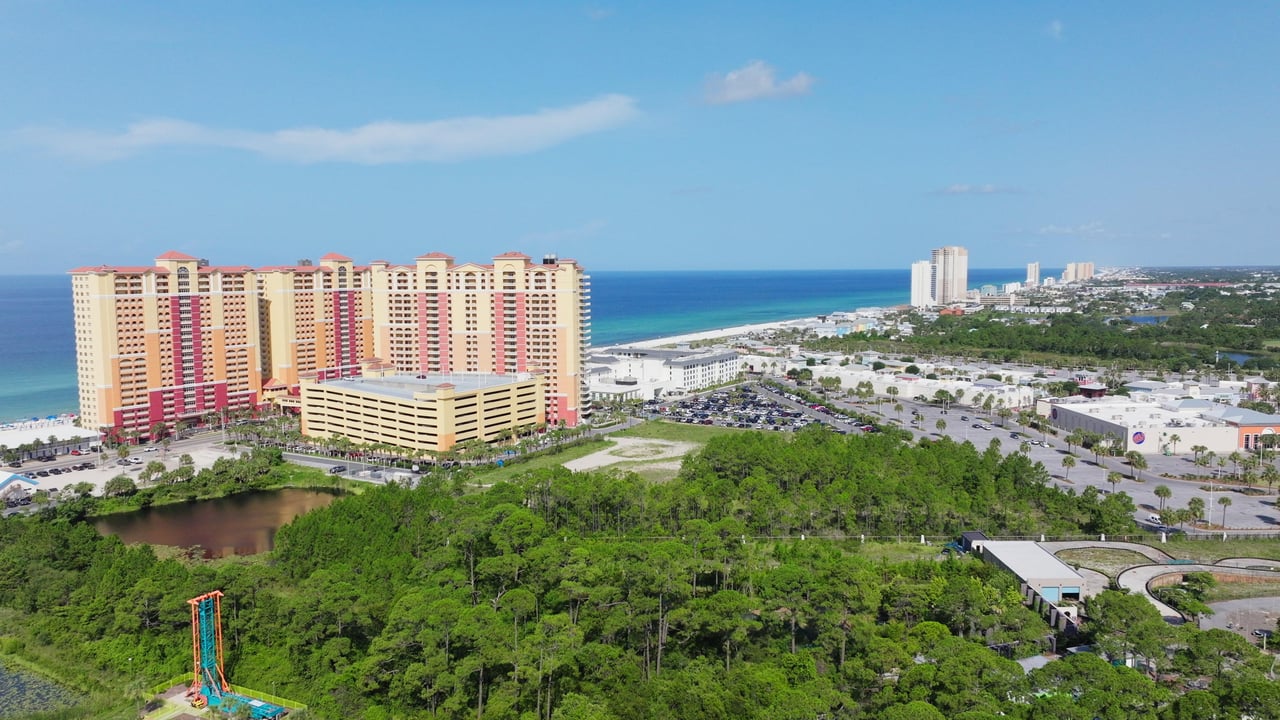
Panama City Beach condominium buildings face salt air, humidity, wind, heavy rain, tropical weather, and constant exposure to coastal conditions. Resort buildings may also experience heavy elevator use, frequent guest turnover, crowded parking structures, and extensive wear on common areas.
Major building components can include:
- Structural concrete
- Balconies and exterior walkways
- Roofs and waterproofing systems
- Exterior windows and doors when maintained by the association
- Parking garages and elevated decks
- Elevators
- Pool decks
- Fireproofing and fire-protection systems
- Plumbing and electrical systems
- Load-bearing walls and primary structural systems
Older does not automatically mean unsafe, and newer does not automatically mean problem-free. The important questions are whether the building has been properly inspected, whether needed repairs are being completed, and whether the association has a realistic way to pay for future work.
What Is a Florida Milestone Inspection?
A milestone inspection is a structural inspection of qualifying Florida condominium and cooperative buildings. Under Florida Statute 553.899, it includes an examination of load-bearing elements and the building’s primary structural members and systems.
The purpose is to determine whether substantial structural deterioration may exist. It is not a routine inspection of an individual condo’s appliances, flooring, furnishings, or interior finishes.
Qualifying buildings generally must complete an initial milestone inspection by December 31 of the year in which the building reaches 30 years of age, based on its certificate of occupancy. Additional inspections are generally required every 10 years.
For certain buildings within three miles of a coastline, the local enforcement agency may determine that the initial inspection should occur at 25 years because of environmental conditions such as saltwater exposure.
What Happens During Phase One and Phase Two?
Phase One milestone inspection
Phase One is a visual examination performed by a Florida-licensed architect or engineer. The professional reviews the building’s structural components and prepares a report addressing whether there are signs of substantial structural deterioration.
If no substantial structural deterioration is found, a Phase Two inspection may not be required. The report may still identify maintenance or repair recommendations that the association should address.
Phase Two milestone inspection
A Phase Two inspection is required when the Phase One professional cannot determine that the building is free from substantial structural deterioration.
Phase Two may involve more detailed testing to determine the extent of the condition and recommend necessary repairs. The scope depends on what was found during Phase One and the professional judgment of the architect or engineer.
A Phase Two requirement does not automatically mean a building is about to fail. It means additional investigation is needed. Buyers should review the findings, recommended repairs, engineering information, repair contracts, funding plan, and completion status.
What Is a Structural Integrity Reserve Study?
A Structural Integrity Reserve Study is a reserve-planning study for qualifying condominium and cooperative buildings. It estimates the money needed for major future repairs and replacement of designated association-maintained components.
A SIRS generally considers:
- The components covered by the study
- Current condition based on the required visual inspection
- Estimated remaining useful life
- Estimated repair or replacement cost
- Current reserve balances
- A recommended reserve-funding schedule
Florida law generally requires a SIRS for each qualifying condominium building on the property that is three stories or higher, subject to statutory details and exceptions.
The study does not promise that every future expense has been predicted. Costs, building conditions, insurance, construction pricing, storm damage, and repair schedules can change.
Is a “SIRS Inspection” the Same as a Milestone Inspection?
No. Buyers commonly search for a “SIRS inspection,” but the legal term is Structural Integrity Reserve Study.
The SIRS includes a visual inspection component, but its main purpose is to develop a reserve-funding plan for major repairs and replacement. A milestone inspection focuses on the building’s structural condition and whether substantial structural deterioration may exist.
Issue | Milestone inspection | Structural Integrity Reserve Study |
|---|---|---|
Main purpose | Evaluate structural condition | Estimate reserves needed for future work |
Primary buyer question | Does the report identify structural deterioration or required repairs? | Is the association financially preparing for major repairs? |
Main focus | Load-bearing elements and primary structural systems | Covered components, useful life, estimated costs and funding |
Possible result | Phase Two review or recommended repairs | Higher reserve contributions, budget changes or additional funding |
Why buyers care | Condition, safety, repairs, financing and resale | HOA fees, reserves, assessments and long-term ownership costs |
A simple way to remember the difference is this: the milestone inspection examines the structure, while the SIRS examines the financial plan for major building work. A careful buyer should review both when they apply.
What Are the Florida SIRS and Milestone Inspection Deadlines?
Florida’s deadlines depend on the building’s age, height, location, certificate of occupancy, association status, prior inspections, and local enforcement actions.
Milestone inspection timing
Under the current statute, qualifying buildings generally receive an initial milestone inspection when they reach 30 years of age and every 10 years afterward. A local enforcement agency may require certain buildings within three miles of a coastline to begin at 25 years.
Special deadlines applied to buildings that had already reached the qualifying age when the law took effect. A local enforcement agency may also grant an extension for good cause under the conditions provided by the statute.
SIRS timing
Associations existing on or before July 1, 2022, and controlled by unit owners other than the developer generally were required to complete a SIRS by December 31, 2025 for each qualifying building that is three stories or higher.
An association required to complete a milestone inspection on or before December 31, 2026 may be permitted to complete the SIRS at the same time. Under the applicable statutory provision, the study cannot be completed after December 31, 2026.
Because it is now 2026, a buyer should not be satisfied with “the association is working on it.” Ask for the completed report or written documentation explaining the association’s deadline, exception, extension, or current compliance status.
Review the current requirements through the Florida DBPR condominium inspection and SIRS resource and Florida Statute 718.112.
Which Panama City Beach Condo Buildings May Be Affected?
Florida’s milestone inspection and SIRS requirements generally focus on qualifying residential condominium and cooperative buildings with three or more habitable stories. Not every Panama City Beach condo is treated the same.
The association and appropriate professionals should determine whether a particular building qualifies. Buyers should not assume that a building is exempt simply because it is newer, located away from the Gulf, or has fewer units.
Important facts include:
- The number of habitable stories
- The certificate-of-occupancy date
- The building’s distance from the coastline
- Whether the local enforcement agency has issued a notice
- Whether a previous qualifying inspection was completed
- Whether the building is subject to an exception
- Whether the association is still developer-controlled
This page is focused on Panama City Beach and Bay County. Search impressions mentioning Lee County or Pinellas County involve different local enforcement agencies and should not be used to determine the requirements for a Panama City Beach building.
How Can SIRS Affect HOA Fees and Special Assessments?
If a SIRS identifies a significant reserve shortfall, the association may need to increase regular assessments, approve a special assessment, obtain financing, use an allowed line of credit, or combine several funding sources.
A higher HOA fee is not automatically bad if it supports necessary insurance, maintenance, operations, and responsible reserve funding. A low fee is not automatically good if repairs have been postponed or reserves are inadequate.
Before making an offer, ask about:
- Current and proposed special assessments
- Recent HOA fee increases
- Reserve balances
- The SIRS funding recommendation
- Differences between the recommendation and adopted budget
- Association loans or lines of credit
- Major repair contracts
- Insurance increases and deductibles
- Owner responsibility for unpaid assessments at closing
The purchase contract should clearly address responsibility for assessments. Contract interpretation should come from the appropriate legal professional.
Read more about Panama City Beach condo HOA fees and special assessments.
Can Milestone Inspections or SIRS Affect Financing?
Yes. Condo financing involves a review of both the borrower and the condominium project.
A lender may examine:
- Structural inspection findings
- Uncompleted repairs
- Special assessments
- Association reserves
- Insurance coverage
- Pending litigation
- Owner delinquencies
- Commercial space and investor concentration
- Whether the project meets the lender’s condo standards
A building with unresolved structural findings, inadequate insurance, major litigation, or significant reserve concerns may require additional documentation or a different loan program. It does not automatically mean that financing is impossible, but the buyer should find out early.
For additional information, read what warrantable and non-warrantable mean for Panama City Beach condos.
What Should a Buyer Verify When a SIRS Deadline Has Passed?
Because the main SIRS deadline for many existing associations has passed, buyers should ask for documents rather than relying on verbal assurances.
Request and review:
- The association’s most recent completed SIRS
- The milestone inspection summary and full report, when applicable
- Documentation showing whether Phase Two was required
- Engineering reports and repair recommendations
- Evidence that required repairs were completed or properly funded
- The current association budget
- Year-to-date financial statements
- The reserve schedule and current reserve balances
- Current and proposed special assessments
- Association loans and lines of credit
- Recent board and annual meeting minutes
- Master insurance information
- Pending litigation disclosures
- Current HOA fees and anticipated increases
If the association says it did not have to complete a SIRS by December 31, 2025, ask for a written explanation of the applicable timing, exception, or statutory provision.
What Does the SIRS Report Actually Tell a Buyer?
Do not stop at the cover page. Look at the covered components, estimated remaining useful life, estimated repair costs, funding schedule, assumptions, inspection date, and professional qualifications.
Then compare the report with the association’s actual budget and reserves.
Questions to ask include:
- How much does the study recommend contributing to reserves?
- Is the adopted budget following that recommendation?
- Which major components will need work first?
- Have construction estimates changed since the report?
- Are repairs already underway?
- Has an assessment been approved or discussed?
- Does the association plan to borrow money?
- Could the funding plan increase monthly HOA fees?
- Are owners current on existing assessments?
- Have lenders raised concerns about the building?
Why Meeting Minutes Matter
A report provides technical and financial information, but association meeting minutes can show what is happening after the report was delivered.
Minutes may reveal:
- Engineer presentations
- Repair bids
- Owner disagreements
- Insurance concerns
- Proposed assessments
- Loan discussions
- Construction delays
- Changes in project scope
- Questions about reserve funding
Review several months of minutes when possible. One meeting may not provide the full picture.
What This Means for Panama City Beach Condo Sellers
Sellers should understand their building’s milestone inspection, SIRS, reserves, assessments, insurance, repairs, and financing situation before listing.
If the association has completed its reports, funded the recommended work, and addressed necessary repairs, those records may help buyer confidence. If repairs, assessments, or financing concerns remain unresolved, prepare to answer questions and provide documentation early.
Waiting until a buyer is under contract can lead to delays, renegotiation, financing problems, or cancellation. A better strategy is to identify the issues before pricing and marketing the unit.
Common Mistakes Condo Buyers Make
Looking only at the unit
New flooring and a remodeled kitchen do not tell you whether the parking garage needs concrete restoration or whether the association has adequate reserves.
Assuming a completed inspection means no risk
Read the findings. A completed report may still recommend repairs, continued monitoring, additional testing, or significant reserve contributions.
Comparing only monthly HOA fees
Compare reserves, insurance, assessments, included services, repairs, debt, and the annual ownership cost.
Waiting until late in the loan process
Ask the lender about the particular condo project before spending heavily on inspections, appraisals, or other transaction costs.
Using projected rental income as the only decision
Vacation-rental income matters, but so do HOA fees, insurance, repairs, assessments, management, maintenance, financing, and periods of personal use.
Review the current Panama City Beach short-term rental rules and buyer considerations.
Frequently Asked Questions
What is a milestone inspection for a Florida condominium?
It is a structural inspection required for certain Florida condominium and cooperative buildings. It evaluates load-bearing elements and primary structural systems to determine whether substantial structural deterioration may exist.
What is a Structural Integrity Reserve Study?
A SIRS estimates reserve needs for future major repair and replacement of designated condominium property. It includes a visual inspection component and a reserve-funding schedule.
Is a SIRS an inspection?
Buyers often call it a “SIRS inspection,” but the proper term is Structural Integrity Reserve Study. It contains a visual inspection component, but its main purpose is financial reserve planning.
Are a SIRS and milestone inspection the same?
No. A milestone inspection focuses on structural condition. A SIRS focuses on reserves and financial planning for major building components. A qualifying association may be subject to both.
What does Phase Two mean?
Phase Two means additional testing or investigation is needed after Phase One to determine whether substantial structural deterioration exists and to evaluate the extent of necessary repairs.
Do all Panama City Beach condos require these reports?
No. Requirements depend on factors including building height, age, condominium status, certificate-of-occupancy date, prior inspections, local enforcement actions, and statutory exceptions. Verify the status of the specific building.
Can a milestone inspection lead to a special assessment?
Yes. If repairs are identified and reserves are insufficient, the association may need higher regular assessments, a special assessment, borrowing, or another permitted funding method.
Can SIRS or structural issues affect financing?
Yes. Lenders may review building condition, reserves, insurance, assessments, repairs, litigation, and other project-level issues when deciding whether a condo qualifies for financing.
Should cash buyers review these reports?
Yes. Paying cash avoids lender underwriting, but it does not eliminate structural, insurance, assessment, reserve, or resale risk.
Are older Panama City Beach condos bad investments?
Not necessarily. An older building with responsible maintenance, completed repairs, adequate insurance, realistic reserves, and clear financial planning may be a better fit than a newer building with weak management or unresolved issues.
Need Help Comparing Panama City Beach Condos?
Two condos can both be Gulf-front, allow vacation rentals, and offer similar views while having very different reserves, assessments, insurance, maintenance histories, financing options, and ownership costs.
I help buyers compare Panama City Beach condos from a practical ownership perspective, including building condition, HOA fees, rental rules, financing, insurance, reserves, assessments, parking, guest appeal, and resale risk.
Search current Panama City Beach condos for sale, or contact me for help comparing specific buildings.
Roger Rietsema, Realtor®
Allison James Estates & Homes
Serving Panama City Beach and 30A
23+ years of real estate experience
850-596-5844
SellFL.net
This article provides general real estate information and is not legal, engineering, accounting, insurance, lending, or association-management advice. Florida condominium laws, deadlines, association records, inspections, funding plans, and local enforcement decisions can change. Buyers and sellers should verify building-specific information and consult qualified professionals concerning legal, structural, financial, insurance, or lending questions.