Quick Answer
Use this Panama City Beach beachfront condo Realtor checklist to determine whether an agent has the building-level knowledge and due-diligence process your purchase requires.
The agent should help you investigate the condominium building, association finances, insurance, assessments, rental restrictions, parking, unit location, comparable sales, and total ownership costs—not simply schedule showings.
This checklist is for buyers considering a Gulf-front condominium in Panama City Beach. It organizes the questions and information that should be addressed before showings, before an offer, during due diligence, and before closing.
For general guidance covering homes, condos, buyers, and sellers, read how to choose a Panama City Beach Realtor. This page focuses specifically on beachfront-condo buyer due diligence.
How to Use This Beachfront Condo Realtor Checklist
Every purchase is different, and an agent cannot replace an attorney, accountant, lender, insurer, inspector, association representative, or property manager. However, a condo-focused Realtor should help organize the investigation, identify questions, obtain available information, and coordinate the appropriate professionals.
Use the following steps to evaluate both the agent and the property.
Step 1: Define Your Condo Plan Before Touring
Before selecting buildings, tell the agent exactly how you expect to use the condominium. Your plan affects which buildings, rules, expenses, and locations may fit.
- Will the condo be a full-time residence?
- Will it be a personal second home?
- How many weeks or months will you personally use it?
- Do you expect to offer short-term rentals?
- Will you hire a rental-management company?
- Are pets, boat access, covered parking, or accessibility important?
- What purchase price and monthly ownership cost are comfortable?
- Will you use financing or purchase with cash?
- How long do you expect to own the property?
The agent should use these answers to eliminate unsuitable buildings before you spend time touring units.
Step 2: Ask the Agent to Build a Shortlist
A useful shortlist is more than a collection of active listings. Ask the agent to explain why each building may or may not fit your plan.
The initial comparison should consider:
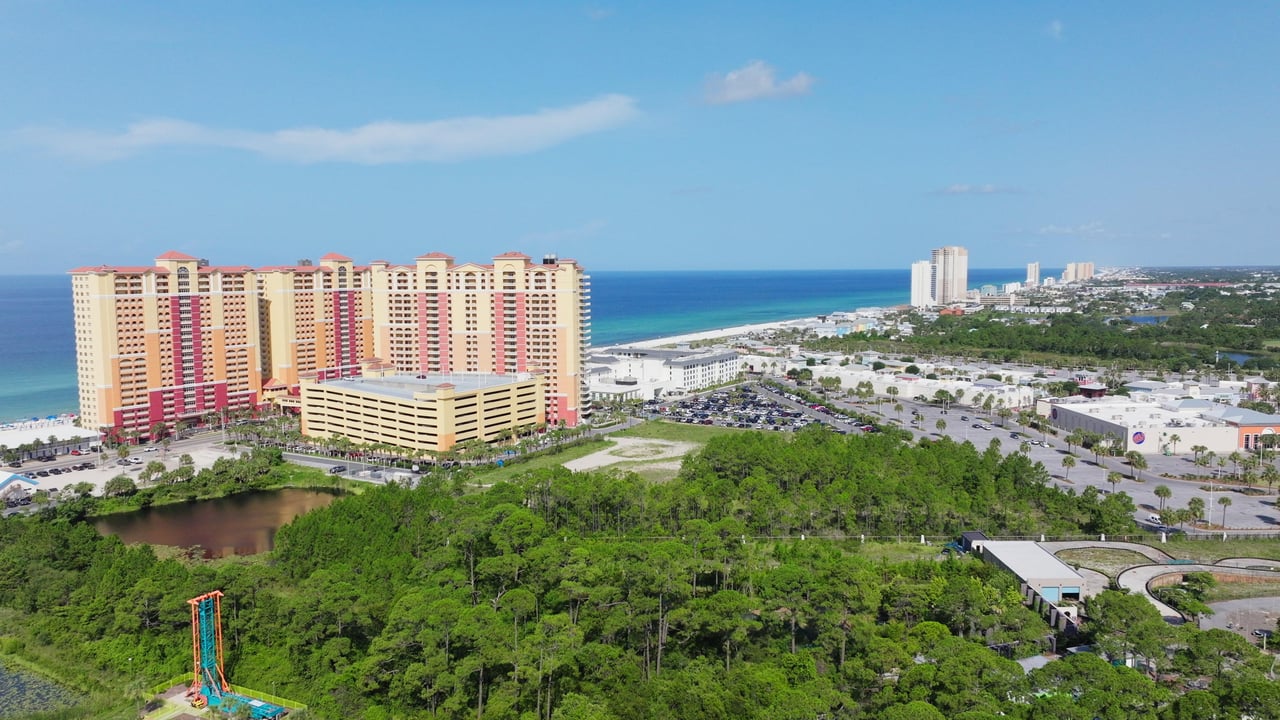
- Location and surrounding development
- Building age and apparent physical condition
- HOA or COA fees
- Known or proposed assessments
- Association rental restrictions
- Parking arrangements and guest parking
- Elevator access and building layout
- Beach access and amenities
- Pet and occupancy rules
- Recent sales within the building
- Current units competing for buyers or renters
- Potential financing or insurance concerns
Buyers who are still comparing buildings can review Roger’s guide to the best beachfront condos for sale in Panama City Beach.
Step 3: Screen the Building Before Scheduling a Showing
Before touring a unit, ask what can be learned about the building. Some information may require formal document requests or may not become available until the transaction’s due-diligence period, but obvious incompatibilities should be identified early.
Ask the agent to help investigate:
- Whether the building’s rental policy fits your plan
- Whether pets are allowed and under what conditions
- How owners and guests access parking
- Whether parking is assigned, deeded, covered, or across the street
- How guests register and access amenities
- Whether major maintenance projects are visible or known
- Whether recent listings mention assessments
- How long comparable units have taken to sell
- Whether lenders have recently financed units in the building
- Whether the property appears compatible with your insurance needs
This preliminary screen does not replace document review, inspections, insurance quotes, or lender approval. Its purpose is to prevent obviously unsuitable properties from consuming your time.
Step 4: Compare the Unit and Building Separately
A renovated unit can still be located in a building that does not fit your goals. Conversely, a well-managed building may contain a unit that requires more work than you want to undertake.
Evaluate the Unit | Evaluate the Building |
|---|---|
Floor plan and usable space | Association finances and reserves |
Floor height and view direction | Insurance and assessment information |
Interior condition and updates | Roof, elevators, balconies, and common areas |
HVAC, water heater, appliances, and furnishings | Maintenance and repair history |
Noise, privacy, and proximity to elevators | Parking, security, amenities, and beach access |
Unit-specific rental history | Building-wide rental and owner-use rules |
Step 5: Request the Available Association Documents
Ask your agent which association documents are available and how they will be requested. Depending on the building and transaction, relevant information may include:
- Declaration of condominium
- Bylaws and association rules
- Current operating budget
- Available financial statements
- Reserve information or reserve studies
- Recent association meeting minutes
- Master insurance information
- Current or proposed assessment notices
- Available building inspection reports
- Frequently asked questions or owner-information sheets
- Rental, pet, parking, and occupancy policies
- Pending litigation information when disclosed
Your Realtor can help organize the documents and raise practical questions. Legal interpretation should come from a qualified attorney, and financial or tax questions should be directed to the appropriate professional.
For additional context, read HOA fees for Panama City Beach condos: what buyers should know.
Step 6: Build a Complete Ownership-Cost Worksheet
Ask the agent to help you identify expenses that require further investigation. Do not compare properties using the mortgage payment and HOA fee alone.
Your worksheet may include:
- Purchase price and financing costs
- Monthly HOA or COA fees
- Property taxes
- Unit-owner insurance
- Flood insurance when applicable
- Utilities and internet
- Interior maintenance and repairs
- Furnishing and appliance replacement
- Parking, registration, or amenity charges
- Property-management expenses
- Cleaning, supplies, and guest services
- Current or expected assessments
- Periods without rental income
Obtain current, property-specific estimates from the lender, insurer, association, tax professional, property manager, and other qualified sources. Previous expenses and rental projections are not guarantees of future results.
Step 7: Verify Rental Eligibility and Operations
If vacation-rental income is part of your plan, ask the agent to help identify the rules that must be independently verified.
- Does the association permit short-term rentals?
- Is there a minimum rental period?
- Are owners required to use a particular management company?
- Are there guest-registration or parking charges?
- What occupancy and age restrictions apply?
- Are pets permitted for owners or guests?
- Are there restrictions on signs, lockboxes, door codes, or check-in procedures?
- What local registration or licensing requirements apply?
- Does the rental projection include every operating expense?
Do not assume that a property qualifies for short-term rentals because similar units appear online. Review the association documents and the applicable government requirements for the exact property.
The City of Panama City Beach publishes official short-term rental information. Roger also provides a guide to Panama City Beach short-term rental rules.
Step 8: Use a Consistent Showing Checklist
Bring the same checklist to every showing. Consistent notes make it easier to compare units after a long day of touring.
- Time required to enter the property and reach the unit
- Parking location and walking distance
- Elevator location, condition, and apparent capacity
- Condition of the lobby, corridors, and common areas
- Distance from the unit to the elevator and trash area
- Noise from pools, elevators, mechanical equipment, roads, or neighboring units
- View direction and possible obstructions
- Balcony size, condition, and privacy
- Interior condition and needed repairs
- Storage and owner-closet space
- Beach access and amenity layout
- Mobile-phone and internet considerations
- Questions requiring follow-up after the showing
Step 9: Review Offer and Due-Diligence Protections
Before signing an offer, ask the agent to explain the proposed contract structure and deadlines. The appropriate protections depend on the property, financing, contract, and circumstances.
Topics that may require attention include:
- Financing and appraisal provisions
- Property-inspection rights and deadlines
- Association-document review
- Insurance availability
- Assessment responsibility
- Personal property and furnishings included in the sale
- Rental reservations or management agreements
- Title, parking, storage, and limited common elements
- Closing dates and possession
Ask questions before signing. Contract interpretation and legal advice should be provided by a qualified Florida real estate attorney.
Beachfront Condo Comparison Scorecard
Score each property using the same categories. A simple one-to-five rating can help reveal which option best fits your actual plan.
Category | Questions to Answer | Score |
|---|---|---|
Intended use | Do the rules and ownership environment fit your plan? | 1–5 |
Building finances | Are fees, reserves, maintenance, and assessments understandable? | 1–5 |
Insurance and financing | Have the lender and insurer identified material concerns? | 1–5 |
Unit position | Do the floor, view, noise, privacy, and access work for you? | 1–5 |
Total cost | Can you comfortably carry the complete ownership expenses? | 1–5 |
Resale position | How does the unit compare with recent and competing listings? | 1–5 |
Questions to Send Your Realtor Before Making an Offer
- Which recent sales are most comparable to this exact unit?
- How does the unit’s floor, view, position, and condition affect its value?
- Which association documents are currently available?
- Are any assessments disclosed or being discussed?
- What questions remain about insurance or financing?
- Do the rental, parking, pet, and occupancy rules fit my plan?
- What information still needs independent verification?
- Which deadlines will apply after an offer is accepted?
- What potential disadvantages should I consider?
- Would you advise me not to purchase this unit? If so, why?
Frequently Asked Questions
What should a beachfront condo Realtor do before scheduling showings?
The agent should first understand your intended use, budget, financing, preferred amenities, rental plans, and ownership-cost limits. The agent can then eliminate buildings with obvious rule, location, parking, or ownership conflicts.
Should I review condo documents before making an offer?
Availability and timing can vary. Ask the agent which documents are available before an offer and which may be obtained during due diligence. Review requirements and legal questions with a qualified attorney.
Can a Realtor determine whether a condo building is financially healthy?
A Realtor can help obtain available information and identify practical questions, but financial conclusions may require advice from an accountant, attorney, lender, association representative, or another qualified professional.
Can every beachfront condo be used as a vacation rental?
No. Rental eligibility can depend on association documents, building policies, municipal requirements, and the property’s exact location. Verify the specific property rather than relying on nearby rental listings.
Is the lowest HOA fee the best choice?
Not necessarily. Compare what the fee includes, reserve funding, maintenance needs, insurance, amenities, building condition, and assessment exposure. The lowest monthly fee does not automatically represent the lowest ownership risk.
Can an agent guarantee rental income?
No. Rental performance can change with seasonality, competition, management, pricing, building rules, expenses, weather, and market demand. Projections should be independently evaluated and should not be treated as guarantees.
Where can I search for beachfront condos currently for sale?
Browse current Panama City Beach homes and condos for sale or contact Roger for a search organized around your preferred buildings, budget, intended use, and rental plans.
Work With Roger Rietsema
Roger Rietsema is a Realtor® with Allison James Estates & Homes serving Panama City Beach and 30A. He works with buyers and sellers of beachfront condos, second homes, primary residences, and vacation-rental properties.
Roger’s experience as a real estate professional and co-owner of Emerald Beach Rentals helps buyers ask practical questions about guest use, rental management, maintenance, ownership expenses, and the difference between projected gross revenue and potential net income.
You can also read Roger Rietsema’s client reviews and testimonials.
Start Your Beachfront Condo Checklist
Get help creating a building shortlist, comparing units, requesting available documents, and identifying questions that require professional verification.
Search current condos | Contact Roger online | Call 850-596-5844
Written by Roger Rietsema, Realtor®
Allison James Estates & Homes
Serving Panama City Beach and 30A
More than 23 years of real estate experience
Last reviewed: July 18, 2026
Real estate, association, rental, insurance, zoning, financing, and property information can change. Buyers should independently verify all property-specific information with the applicable association, municipality, lender, insurer, inspector, title company, attorney, accountant, property manager, and other qualified professionals.