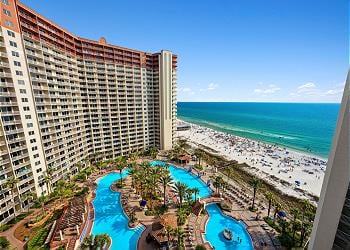
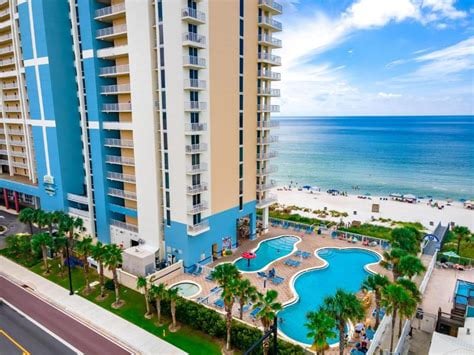
Featured image: Panama City Beach’s condominium buildings vary significantly in amenities, insurance, maintenance requirements, reserve funding and monthly ownership costs.
Updated July 22, 2026
Are Panama City Beach condo HOA fees worth paying? They can be when the building is properly maintained, adequately insured, responsibly funded and provides services or amenities you value. The important question is not simply, “How high is the HOA fee?” The better question is, “What does the fee cover, what financial obligations remain, and is the association preparing for future repairs?”
A low monthly fee does not automatically make a condominium a good value. It may reflect an efficient, well-managed association—or it may indicate limited reserves, postponed maintenance or expenses that owners must pay separately. A higher fee may support insurance, elevators, pools, security, utilities, maintenance and reserve funding, but buyers still need to verify the details.
Quick answer
- Compare what each fee includes—not just the dollar amount.
- Review the current budget, reserves, meeting minutes and insurance.
- Ask about recent, approved and proposed special assessments.
- Request applicable structural-reserve and milestone-inspection information.
- Calculate the annual fee and all separately paid expenses.
- For a rental condo, compare the HOA cost with realistic net income.
- Verify the exact fee through association documents before purchasing.
Jump to:What fees cover | What may not be covered | Why fees vary | Reserves and SIRS | Assessments | Comparison worksheet | Rental properties | Warning signs | Buyer questions | FAQs
What Do Panama City Beach Condo HOA Fees Usually Cover?
Panama City Beach condominiums generally use association fees to operate, insure and maintain the shared portions of the property. The association’s governing documents and budget control what is actually included.
Depending on the building, fees may help pay for:
- Master property insurance
- Exterior building maintenance
- Roofing and waterproofing
- Elevator operation and maintenance
- Swimming pools, hot tubs and pool decks
- Fitness centers and shared recreational facilities
- Security personnel, cameras and access systems
- Common-area electricity and water
- Landscaping and exterior cleaning
- Beach walkovers and common beach-access areas
- Parking-garage or parking-lot maintenance
- Trash service
- Pest control for common areas or individual units when specified
- Water and sewer in some buildings
- Cable or internet in some buildings
- Association management and administrative expenses
- Legal and accounting services
- Reserve contributions for future repairs and replacements
Never assume two buildings include the same services. Ask for a current written breakdown and compare it with expenses you would otherwise pay individually.
What Might Not Be Included in the HOA Fee?
Even when the association fee covers significant building expenses, owners may remain responsible for:
- Mortgage payments
- Property taxes
- Individual unit-owner insurance
- Flood insurance when applicable
- Electricity inside the unit
- Internet or cable when not included
- Interior plumbing, electrical and mechanical components
- HVAC equipment and water heaters
- Appliances, flooring, cabinets and furnishings
- Interior doors, windows or glass when assigned to the owner
- Rental-management and booking expenses
- Cleaning, linens and guest supplies
- Parking, registration, wristband or amenity charges
- Special assessments
- Insurance deductibles or loss assessments allocated to owners
The declaration of condominium generally assigns maintenance responsibilities between the association and individual owners. Buyers should not rely only on an MLS description of what the monthly fee includes.
Why Do HOA Fees Differ So Much Between Buildings?
Panama City Beach condo fees can differ significantly because the buildings themselves are different. Important variables include:
Building size and age
Older buildings may require more maintenance, but newer buildings can also have expensive systems and amenities. The number of units sharing those expenses matters too.
Number of elevators
Elevators require regular service, inspections, electricity, repairs and eventual modernization. A high-rise resort with several elevators carries different expenses than a smaller low-rise building.
Insurance
Coastal master-insurance premiums and deductibles can materially affect association budgets. Buyers should review current coverage rather than relying on a previous year’s expense.
Amenities
Indoor and outdoor pools, hot tubs, fitness facilities, security, covered parking, restaurants and extensive landscaping can increase both appeal and operating expenses.
Utilities and services
One building may include water, cable or internet, while another requires owners to pay those costs directly.
Reserve funding
An association making meaningful reserve contributions may have a higher regular fee but potentially be better prepared for future work. Reserve funding does not eliminate assessment risk, but it is an important part of financial planning.
Management and staffing
Front desks, security, maintenance personnel, housekeeping and professional association management all affect the operating budget.
Allocation formula
Fees may be allocated according to unit size, percentage ownership or another formula contained in the condominium documents. Two units in the same building may not always pay the same amount.
Reserve Funding, SIRS and Florida Condominium Requirements
Reserve funding is money set aside for future major repairs and replacement of designated condominium property. Examples can include roofing, structural components, waterproofing, exterior painting, elevators and other shared building systems.
A reserve contribution is not wasted money simply because a repair is not happening today. It is part of planning for components that will eventually wear out.
What is a Structural Integrity Reserve Study?
Florida’s Department of Business and Professional Regulation explains that qualifying condominium and cooperative buildings three stories or higher are subject to Structural Integrity Reserve Study requirements.
A Structural Integrity Reserve Study—often called a SIRS—evaluates reserve needs for designated building components. The study considers factors such as component condition, estimated remaining useful life and anticipated replacement or repair expenses.
Florida DBPR states that a SIRS and a milestone inspection are separate requirements. A milestone inspection focuses on structural condition. A SIRS focuses on reserve planning and funding for specified components. Some buildings may be subject to both.
Buyers should review the actual reports and financial information for the specific association. For current official information, use the Florida DBPR’s:
- Condominium inspection and SIRS resource
- Condominium frequently asked questions
- Chapter 718 of the Florida Statutes
Questions about reserve funding
- Has the association completed an applicable SIRS?
- What work or components were identified?
- What funding schedule was recommended?
- How much money is currently held in reserves?
- Are reserve contributions included in the regular fee?
- Have regular fees increased to address reserve requirements?
- Are additional increases being discussed?
- Are recommended repairs underway, completed or postponed?
Reserve requirements and Florida condominium law can change. Legal interpretation should come from a qualified Florida attorney rather than a listing, blog post or informal association discussion.
Special Assessments Can Change the Ownership Cost Quickly
A special assessment is a charge imposed on owners outside the association’s regular adopted budget. It may be paid in one amount or through installments, depending on the assessment and association’s decisions.
Assessments may be used for:
- Structural repairs
- Balcony or exterior restoration
- Roof replacement
- Elevator modernization
- Parking-garage or parking-deck repairs
- Waterproofing and exterior coatings
- Insurance costs or deductibles
- Storm-related repairs
- Reserve shortfalls
- Unexpected building or mechanical failures
Before making an offer, ask whether there are any current, approved or proposed assessments. Review recent meeting minutes for discussion of large projects—even if an assessment has not yet been formally approved.
The purchase contract should clearly address responsibility for assessments. Contract interpretation and negotiation questions should be reviewed with the appropriate real estate and legal professionals.
How to Compare HOA Fees Between Condo Buildings
Do not compare only the monthly totals. Use a consistent worksheet for every building.
Expense or issue | Building A | Building B | Building C |
|---|---|---|---|
Monthly association fee | |||
Annual association cost | |||
Insurance included by association | |||
Utilities and services included | |||
Current reserve funding | |||
Current or proposed assessments | |||
Owner-paid insurance estimate | |||
Owner-paid utilities | |||
Parking or registration charges | |||
Total estimated annual cost |
A simple calculation
Monthly association fee × 12 = annual regular association cost.
Then add owner insurance, separately paid utilities, known assessments and other required charges. That produces a more useful ownership comparison than the monthly fee by itself.
Buyers should also consider the condition of the building, reserve funding and potential future expenses. A slightly lower annual cost may not compensate for significant deferred maintenance or assessment risk.
Examples of Different Panama City Beach Condo Structures
The following buildings illustrate why HOA fees should be evaluated in context. They are examples, not a ranking:
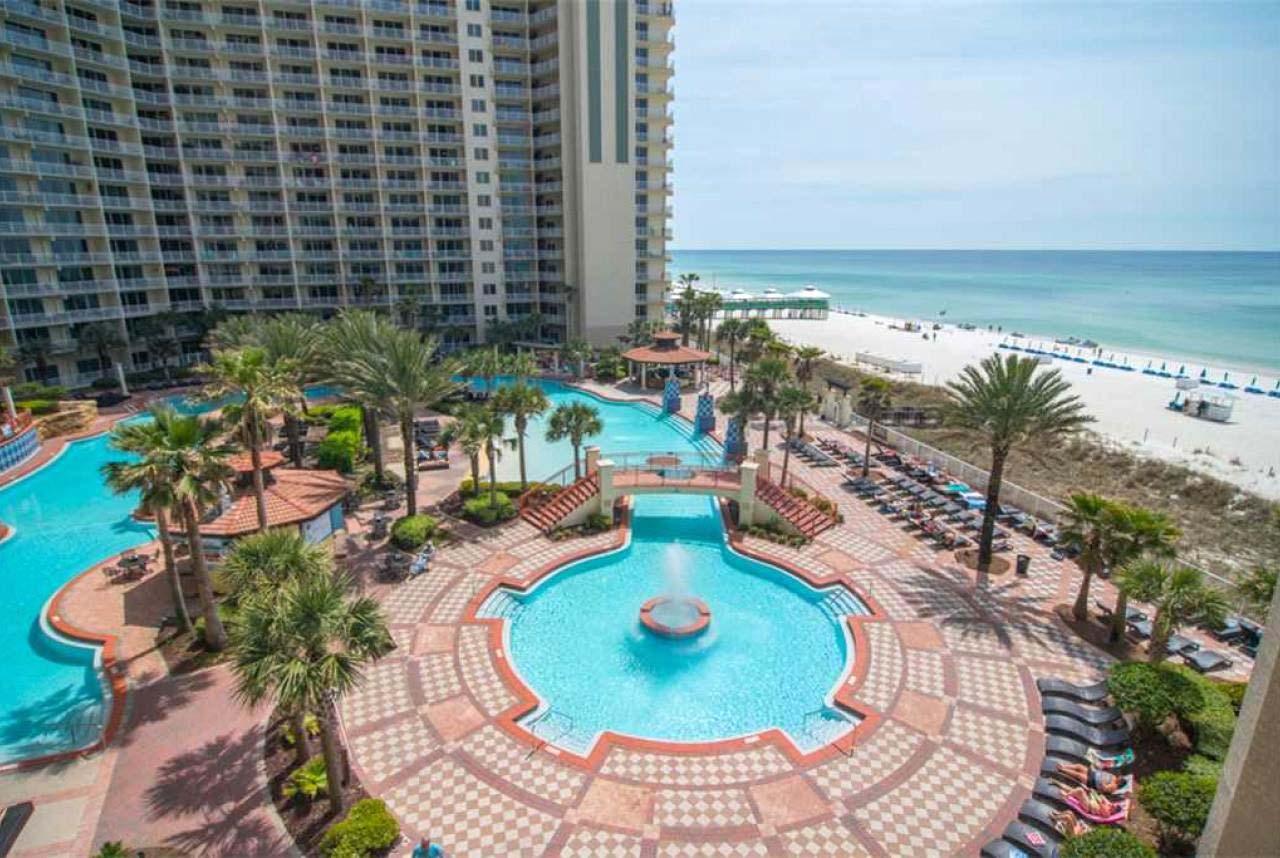
- Shores of Panama — Large lagoon-style pool, multiple resort amenities and central beachfront location
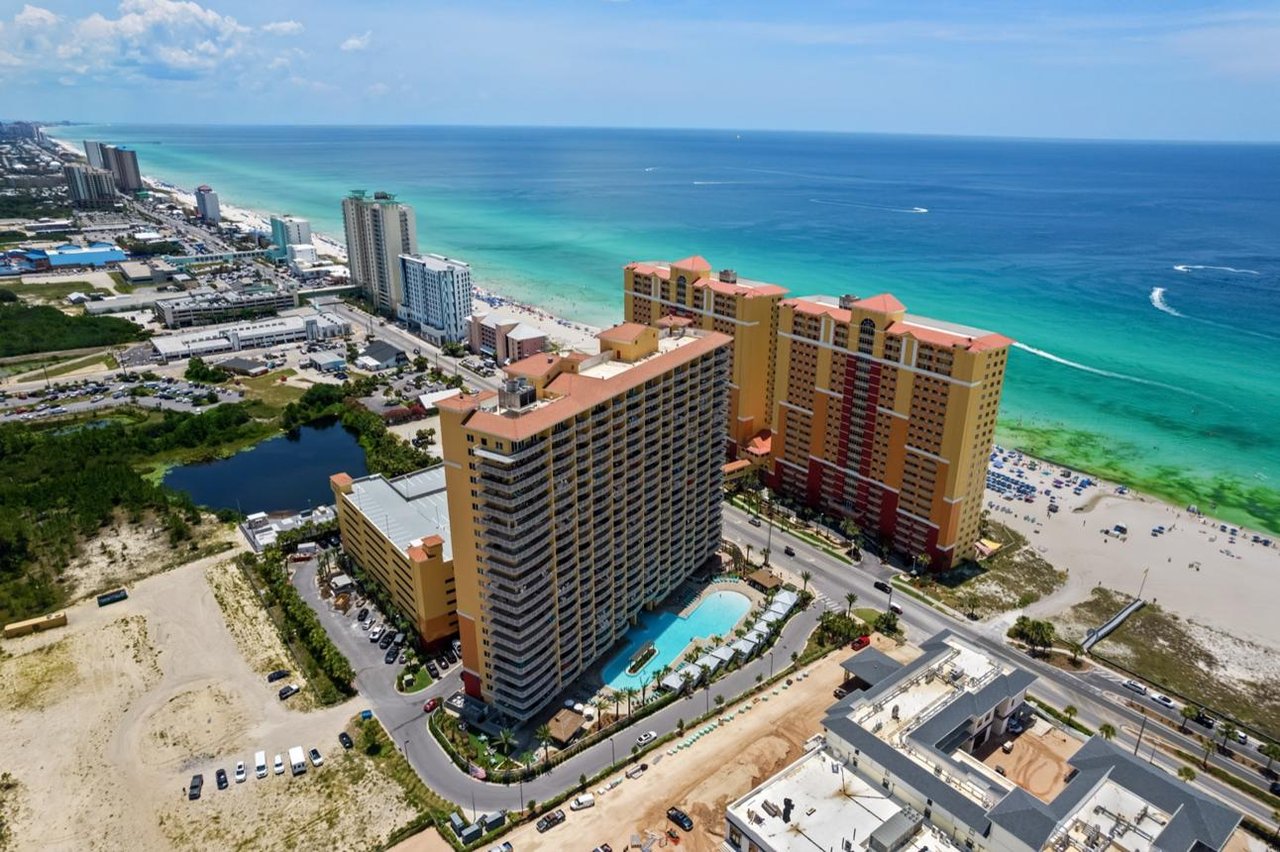
- Calypso Resort & Towers — Multiple towers, pools, parking facilities and location near Pier Park
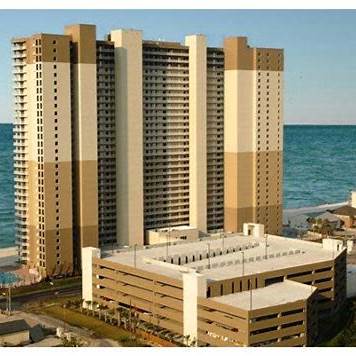
- Tidewater Beach Resort — Large west-end resort building with extensive common facilities
- Majestic Beach Resort — Central beachfront towers with indoor and outdoor resort facilities
Current fees, inclusions, insurance, reserves and assessments must be verified for the particular unit and transaction. Do not use a fee quoted in an old listing or online discussion as current association information.
How HOA Fees Affect Vacation-Rental Investments
If you are buying a Panama City Beach condo as a vacation rental, association fees must be included in the investment analysis. Gross rental revenue is not profit.
Potential gross rental revenue
Minus association fees
Minus property taxes and owner insurance
Minus utilities not included by the association
Minus management and platform expenses
Minus cleaning, supplies and maintenance
Minus furnishing and appliance replacement
Minus licensing, registration and guest charges
Minus vacancy and owner-use periods
= Potential net operating income before debt service and income taxes
A higher-fee building can still produce acceptable results if the property has strong demand and the fee covers meaningful expenses. A low-fee building may perform poorly if it has weaker demand, substantial owner-paid expenses or future assessment exposure.
Rental income is not guaranteed. Review actual property history when available and compare it with:
- The owner-use calendar
- Management arrangement
- Unit condition and furnishings
- View and floor height
- Guest reviews
- Seasonality
- Competing units in the building
- Every operating expense
Also confirm short-term rental eligibility. Review my Panama City Beach short-term rental rules guide and the City of Panama City Beach’s official vacation-rental information.
Can Higher HOA Fees Affect Condo Financing?
Yes. The regular association fee becomes part of the borrower’s monthly obligations and can affect loan qualification. Lenders may also review project-level matters such as:
- Association budgets
- Reserve funding
- Master insurance
- Special assessments
- Deferred maintenance
- Pending litigation
- Owner delinquencies
- Ownership concentration
A buyer may qualify financially while the building creates a separate lending issue. Ask the lender to begin reviewing the condominium project early. Fannie Mae publishes official condominium project review requirements, but the buyer’s lender must determine which standards apply to the transaction.
Possible HOA Financial Warning Signs
No single item automatically makes a building a bad purchase, but buyers should investigate:
- Repeated large fee increases without a clear explanation
- Very limited reserve funding
- Major repairs discussed without an identified funding plan
- Several recent or proposed assessments
- Insurance coverage concerns
- Significant deferred maintenance
- Frequent elevator, water-intrusion or exterior-building problems
- Large owner delinquencies
- Unresolved litigation
- Meeting minutes showing repeated financial disputes
- Difficulty obtaining current association documents
- A fee substantially below comparable buildings without a clear reason
Positive signs to look for
- Clear and organized financial reporting
- Meaningful reserve planning
- Consistent building maintenance
- Current insurance information
- Transparent communication about projects and expenses
- Meeting minutes that explain decisions
- Reasonable budgeting for future repairs
- Rules that are accessible and consistently applied
Questions Buyers Should Ask About HOA Fees
- What is the exact current association fee for this unit?
- How is the fee calculated?
- What services and expenses are included?
- Which utilities must the owner pay separately?
- When was the fee last increased?
- Is another increase being discussed?
- How much money does the association hold in operating and reserve accounts?
- Has an applicable SIRS been completed?
- Has an applicable milestone inspection been completed?
- Were repairs or further investigations recommended?
- Are any assessments current, approved or proposed?
- What major projects are planned during the next several years?
- What does the master insurance policy cover?
- What insurance must an individual owner purchase?
- Are there rental, parking, pet or guest-registration charges?
- Are there association delinquencies or pending litigation?
- What do recent association meeting minutes reveal?
- Will the proposed lender finance a unit in this building?
For a complete building and unit investigation, also read What to Know Before Buying a Condo in Panama City Beach and my Beachfront Condo Realtor Checklist.
Frequently Asked Questions
How much are HOA fees for Panama City Beach condos?
There is no single reliable amount because fees vary by building, unit allocation, insurance, amenities, services, reserves and current budget. Verify the exact fee and inclusions for the individual unit through current association information.
Are Panama City Beach condo HOA fees paid monthly?
Many associations collect fees monthly, while others may use quarterly or another schedule. Confirm the payment frequency, due date and any separate charges for the specific condominium.
Do condo HOA fees include insurance?
Fees commonly help fund the association’s master insurance, but owners generally still need individual unit coverage. The master policy and owner policy cover different interests. Obtain advice and quotes from a qualified insurance professional.
Do HOA fees include utilities?
Sometimes. Water, sewer, trash, cable or internet may be included in some buildings. Electricity and other services may remain the owner’s responsibility. Verify each item in writing.
Are higher HOA fees always bad?
No. A higher fee may support insurance, maintenance, reserves and extensive amenities. The important issue is whether the fee is reasonable for what it provides and whether the association is financially and physically well managed.
Are low HOA fees always better?
No. A low fee may reflect efficient operations, but it can also indicate limited reserves, fewer included services or postponed maintenance. Investigate why the fee is low.
Can HOA fees increase after I buy?
Yes. Association budgets can change because of insurance, maintenance, utilities, reserve funding, repairs and other expenses. Buyers should expect costs to change over time.
Can an HOA charge a special assessment in addition to regular fees?
Yes. An association may levy a special assessment for expenses outside the regular adopted budget, subject to its governing documents and applicable law.
What is the difference between HOA fees and a special assessment?
Regular fees fund the adopted operating and reserve budget. A special assessment is an additional owner charge for a particular expense or funding need.
Do HOA fees affect vacation-rental profit?
Yes. Association fees are a significant operating expense and should be subtracted when estimating potential net rental income. Gross revenue alone does not show investment performance.
Can high HOA fees affect financing?
Yes. The fee affects the borrower’s monthly obligations, and lenders may also review association finances, reserves, insurance, assessments and building condition.
Where can I search Panama City Beach condos for sale?
Visit the Panama City Beach condo search and buyer guide or browse current homes and condos for sale.
Get Help Comparing Panama City Beach Condo Fees
Association fees make more sense when viewed alongside the building’s insurance, reserves, maintenance, amenities, assessments and rental rules. Two condos with similar prices can produce very different ownership costs.
Roger Rietsema is a Realtor® with Allison James Estates & Homes serving Panama City Beach and 30A. His real estate experience and work as a co-owner of Emerald Beach Rentals help buyers examine both personal-use considerations and the real operating expenses associated with vacation-rental ownership.
Explore Panama City Beach condos
Search current listings
Contact Roger Rietsema
Call or text: 850-596-5844
This article provides general real estate information and is not legal, engineering, insurance, lending, accounting or tax advice. Association fees, budgets, reserves, insurance, laws, assessments, rental rules and financing requirements can change. Buyers should independently verify all information important to their purchase with the association and appropriate qualified professionals.