Panama City Beach Condos for Sale: Where I Start With Buyers
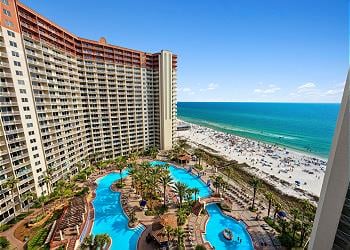
Condos are the heart of the Panama City Beach market. Most of what sells here is a condo, from older low-rise buildings on Thomas Drive to Gulf-front resort towers on Front Beach Road and bayfront buildings with marina access. Buyers come for a second home, a vacation rental, a place to retire, or some mix of all three. I've helped buyers and sellers here for more than 23 years, and the first thing I tell people is simple: in PCB, the building matters as much as the unit.
Two condos with the same view and the same square footage can cost very different amounts to own. HOA dues, reserves, special assessments, insurance, rental rules and the age and condition of the building all change the real number. This page walks through the main condo areas, the buildings I have guides for, what amenities to expect, what is nearby, and what to check before you write an offer. When you are ready to look at listings, search live Panama City Beach condo listings here or call me and I'll pull the ones that fit.
Panama City Beach Condo Areas
Panama City Beach runs roughly from St. Andrews State Park on the east end to Phillips Inlet and the Walton County line on the west. The condo market breaks into a few distinct areas, and each one has its own feel.
Thomas Drive, Lower Grand Lagoon and the St. Andrews End
The east end along Thomas Drive is close to St. Andrews State Park, Grand Lagoon, the marinas and charter boats, and Rick Seltzer Park's public beach access. It has a long list of Gulf-front buildings, many of them older. An older building can be a real value, but it also means closer questions about reserves, inspections and upcoming building work. Buildings I cover here include Moonspinner, The Commodore, Treasure Island, Seychelles, Regency Towers, Watercrest, Mariner East, Princess, Summerhouse, Pelican Walk, Dunes of Panama, En Soleil and Gulf Crest. For the bay and lagoon side, see my Lower Grand Lagoon guide.
S. Thomas Drive and Laketown Wharf
Along S. Thomas Drive, between the Thomas Drive area and the start of Front Beach Road, you'll find some of the largest resort buildings on the beach. Laketown Wharf sits on the inland side near Grand Lagoon with a lake setting, while Shores of Panama and Boardwalk Beach Resort are on the Gulf. These buildings are popular with vacation renters and close to Thomas Drive dining and attractions. One thing buyers often get wrong: Laketown Wharf is not next to Pier Park. Pier Park is a drive west on Front Beach Road.
Front Beach Road: the Middle of the Beach
The long middle stretch of Front Beach Road is lined with Gulf-front towers, from older mid-rise buildings to newer high-rises with big amenity packages. Here you'll find Long Beach Resort, Ocean Villa, Majestic Beach Resort, Edgewater Beach & Golf Resort, Grand Panama, Sterling Reef, Emerald Beach Resort and Sunrise Beach. This area works well for buyers who want a Gulf view and resort amenities without paying Pier Park prices.
The Pier Park Area
Pier Park is the busiest shopping, dining and entertainment district on the beach, and condos nearby tend to draw strong buyer and guest demand. Buildings near Pier Park include Origin at Seahaven, Aqua, Calypso Resort & Towers, Sterling Breeze and Tidewater Beach Resort. Walkability varies building to building, so I check the actual route, not just the map pin. I keep a running list of what is coming to the area in my Pier Park development update, and I break down the pros and cons in Are Condos Near Pier Park a Good Buy?
The West End, Laguna Beach and Sunnyside
West of Pier Park, the beach gets quieter and the buildings get farther apart. Palazzo, Splash Resort and Celadon Beach Resort are on this end. Past them, Laguna Beach and Sunnyside are mostly homes, with a few smaller condo and townhome communities, with Camp Helen State Park and 30A just to the west. It's a good fit if you want a calmer beach and don't mind driving to Pier Park.
Bayfront and Marina Condos
Not every PCB condo is on the Gulf. If you have a boat or want a quieter, more residential building, look at Hibiscus by the Bay, Reflections at Bay Point and Marina Landing on the bay side. These usually draw more full-time and second-home owners than nightly renters.
Notable Condo Buildings and How to Compare Them
I have a guide for every building linked above, each with current listings, location, amenities and the questions I'd ask before buying there. You can see all of them in one place on my neighborhoods page under PCB condo buildings. If you're comparing several buildings at once, start with my PCB condo buildings comparison guide and my list of the best beachfront condos in Panama City Beach.
If rental income is the goal, read Top 5 Highest-Grossing Condo Buildings in Panama City Beach and my FBI Top 10 PCB condos for rental income. Past performance is no promise of future income, but it shows you which buildings guests book again and again.
Typical Amenities in PCB Condo Buildings
Amenities vary a lot, and they show up in your HOA dues, so it pays to know what you're paying for. Common features in Panama City Beach condo buildings include:
- Gulf-front pools, and in some buildings indoor or heated pools, hot tubs and lazy rivers
- Direct beach access, and in some buildings beach chair and umbrella service during the season
- Fitness centers, and in some resort towers spas, restaurants or a tiki bar on site
- Covered or garage parking, which matters more than people think when the beach is busy
- Elevators, secure entry and on-site staff or front desks in the larger rental-focused buildings
- Boat slips, docks or marina access in some bayfront and lagoon buildings
Bigger amenity packages usually mean higher dues and more to maintain over time. That isn't bad. Just make sure the budget and reserves match what the building has to take care of.
Things to Do Near Your Condo
- Pier Park: open-air shopping, restaurants, entertainment and events in the center of the beach.
- Russell-Fields Pier: the city pier, more than 1,500 feet long, right across Front Beach Road from Pier Park. A great spot for fishing and sunsets.
- St. Andrews State Park: beaches, trails, snorkeling and the jetties at the east end of Thomas Drive.
- Shell Island: an undeveloped barrier island about seven miles long, reached only by boat. The shuttle leaves from St. Andrews State Park.
- The beaches: miles of white sand along the Gulf, with public access points up and down Front Beach Road and Thomas Drive.
- Frank Brown Park: the city's big park on Panama City Beach Parkway, with ball fields, tennis and basketball courts, tournaments and community events like Gulf Coast Jam.
- Conservation Park: about 2,900 acres with more than 24 miles of trails and boardwalks for walking, running and biking.
Buying a Panama City Beach Condo: What to Check Before You Write an Offer
This is where I spend most of my time with condo buyers. For the full checklist, read What to Know Before Buying a Condo in Panama City Beach. Here are the big items.
HOA Fees and Special Assessments
HOA dues vary widely by building, age, size and amenities, so I don't quote a typical number. Ask for the current budget, the reserve study, recent meeting minutes and any planned or pending special assessments. Find out what the dues cover. In many buildings they include the master insurance policy, so an insurance increase shows up in your dues. My guide to HOA fees for PCB condos goes deeper.
Rental Rules and Short-Term Rental Income
Many PCB condo buildings allow short-term rentals, but rules differ by building. Some have minimum stays, rental caps, guest registration, parking limits or management requirements. Always read the declaration and rules for the exact building, and check whether the unit is inside Panama City Beach city limits or in unincorporated Bay County, because the registration rules are different. A Florida DBPR vacation rental license may be required. Short-term rents are also subject to the 5% Bay County Tourist Development Tax plus Florida sales tax, and Airbnb and VRBO do not remit the county tax for you. As of October 1, 2026, the Bay County Tax Collector's Office handles the tourist tax. See my PCB short-term rental rules guide and rental rules that can make or break a condo purchase.
Flood and Wind Insurance
In most Florida condos, the association's master policy covers the building, usually including wind, and the cost is built into your dues. You'll carry your own HO-6 policy for the interior, your contents and loss assessment coverage. Ask about the master policy's hurricane deductible, because a large deductible can turn into an assessment after a storm. Flood is a separate question. Check the flood zone, whether the association carries flood coverage, and what your lender requires. My flood zone guide explains the basics. Get insurance quotes before your inspection period ends.
Condo Inspections, Milestone Inspections and SIRS
Get a unit inspection from a qualified local inspector, but know that it won't cover the building's structure. That's where Florida's post-Surfside condo laws come in. Under SB 4-D and later updates, including HB 913 in 2025:
- Condo buildings three habitable stories or taller need a milestone structural inspection by December 31 of the year the building turns 30, then every 10 years. The local building official can require it at 25 years based on conditions such as proximity to salt water.
- Those buildings also need a structural integrity reserve study (SIRS) at least every 10 years, covering items like the roof, structure, fireproofing, plumbing, electrical, waterproofing, windows and exterior doors.
- For budgets adopted on or after December 31, 2024, owners can no longer vote to waive or underfund reserves for those SIRS items, with only narrow exceptions. HB 913 extended the first SIRS deadline to December 31, 2025 and gave associations more ways to fund reserves.
- Resale contracts must include required disclosures, and buyers are entitled to the most recent SIRS and the milestone inspection summary when they apply, with a limited window to cancel after receiving them.
In plain terms: read the SIRS and the milestone report, and compare the reserve schedule to the budget. Underfunded reserves usually mean higher dues or assessments later. I walk through it in Milestone Inspections and SIRS for PCB Condos. This is general information, not legal advice. For a specific contract, talk with a Florida real estate attorney.
Financing and Warrantability
Financing a condo depends on the building as much as on you. A "warrantable" condo meets Fannie Mae or Freddie Mac project standards. Many PCB buildings don't, because of things like hotel-style operations (front desk, daily rentals, mandatory rental programs), critical repairs or deferred maintenance, pending litigation, insurance gaps, or reserve problems. Condotels and non-warrantable condos can still be financed, usually through portfolio or non-QM lenders, often with a larger down payment and a higher rate. Talk to a lender who knows beach condos before you fall in love with a unit. See Warrantable vs. Non-Warrantable Condos in PCB and financing beachfront property in Panama City Beach.
Panama City Beach Condo FAQ
What is the best area to buy a condo in Panama City Beach?
It depends on how you'll use it. Pier Park and the middle of Front Beach Road suit buyers who want restaurants and rental demand. Thomas Drive often offers more value and is close to St. Andrews State Park. The west end is quieter. Bayfront buildings suit boaters and full-time owners.
How much are HOA fees on PCB condos?
They vary widely by building, age, size and amenities, and they often include the master insurance policy. I'll pull the actual budget and reserve study for any building you're considering, rather than guess.
Can I rent my Panama City Beach condo on Airbnb or VRBO?
Many buildings allow short-term rentals, but some have minimum stays or other limits. Confirm the building's rules, licensing and registration, and plan to collect and remit the 5% Bay County Tourist Development Tax plus state sales tax.
Do milestone inspections and SIRS affect my purchase?
Yes. For buildings three habitable stories or taller, these reports show the building's condition and reserve funding. They can point to future assessments or dues increases, and you're entitled to review them when they apply.
Can I get a conventional loan on a PCB condo?
Sometimes. It depends on whether the building is warrantable. Condotels and buildings with critical repairs, litigation or insurance issues usually need non-warrantable financing. Have your lender check the project early.
Talk With Me About Panama City Beach Condos
I'm Roger Rietsema, Realtor® with Allison James Estates & Homes. I've worked Panama City Beach and 30A for more than 23 years, and I'll give you a straight answer on any building, including the ones I wouldn't buy in. Call or text me at 850-596-5844, email [email protected], or send me a message. If you're selling a condo, I can also run a pricing review on your unit.