Updated August 20, 2026
Quick answer: Panama City Beach and 30A are not covered by one single flood-zone designation. Flood zones can change from one property, building or section of a neighborhood to another. A property may be in Flood Zone X, AE, VE or another mapped zone depending on its location, elevation and surrounding flood conditions.
Before buying, use the official FEMA and county maps, obtain a property-specific insurance quote, review any available elevation certificate and confirm the lender’s requirements. Flood Zone X means lower mapped risk than Zones AE or VE, but it does not mean that flooding is impossible.
Flood zones are an important part of buying a home, condo, second home or vacation rental in Panama City Beach or along Scenic Highway 30A. A flood-zone designation can affect financing, insurance, building requirements, renovations, future resale and the total cost of owning the property.
It is also easy to misunderstand what a flood zone means. Buyers sometimes assume that every beachfront property is in the same zone or that a property in Flood Zone X has no flood risk. Neither assumption is reliable.
The correct approach is to review the specific property rather than making a decision based only on the neighborhood, distance from the Gulf or information shown in an older real estate listing.
This guide explains the flood zones most commonly discussed by Panama City Beach and 30A buyers, provides links to official flood maps and outlines the questions that should be answered before making an offer or completing a purchase.
Panama City Beach and 30A Flood Zone Quick Summary
- Panama City Beach properties are generally reviewed through Bay County and City of Panama City Beach flood resources.
- Properties along 30A are generally reviewed through Walton County flood and GIS resources.
- Flood Zone X is considered lower or moderate mapped risk, but it is not a no-flood zone.
- Flood Zone AE is a Special Flood Hazard Area with a 1% annual chance of flooding and an established Base Flood Elevation.
- Flood Zone VE is a high-risk coastal area that also includes potential wave-action hazards.
- A federally backed mortgage generally requires flood insurance when the property is in a Special Flood Hazard Area.
- A lender may impose additional insurance requirements even when federal rules do not require coverage.
- Standard homeowners and condominium policies generally do not provide the same protection as a separate flood policy.
- Flood zones and hurricane evacuation zones are not the same thing.
- In 2026, Citizens’ flood-coverage phase-in can affect qualifying personal residential policies with wind coverage even outside a FEMA high-risk zone.
- Always obtain property-specific flood, wind and homeowners or condominium insurance quotes before the applicable contract deadlines expire.
Check a Panama City Beach or 30A Flood Zone
Start with FEMA:
Search the official FEMA Flood Map Service Center by address
Panama City Beach and Bay County:
View Bay County FEMA flood-zone information and maps
Open the Bay County BayView interactive property map
Review City of Panama City Beach flood information
30A and Walton County:
Open the Walton County map portal
Review Walton County FEMA flood-zone definitions
Request parcel-specific flood information from Walton County
Online maps are useful screening tools, but buyers should confirm the information with the appropriate county, municipality, lender, surveyor and insurance professional when making a purchase decision.
Are Panama City Beach and 30A in a Flood Zone?
Every mapped property has some type of flood-zone classification, but that does not mean every property is in a high-risk flood area.
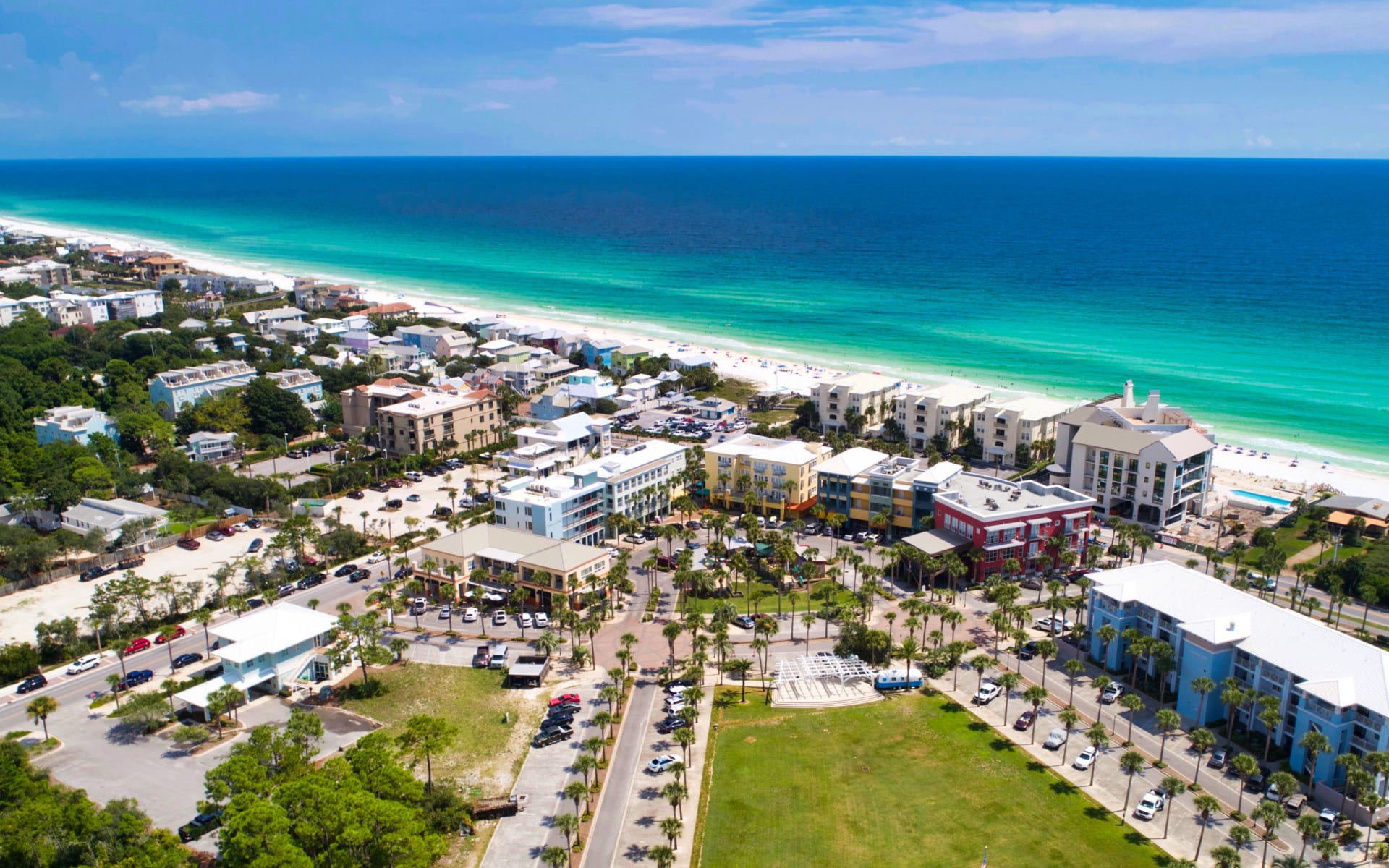
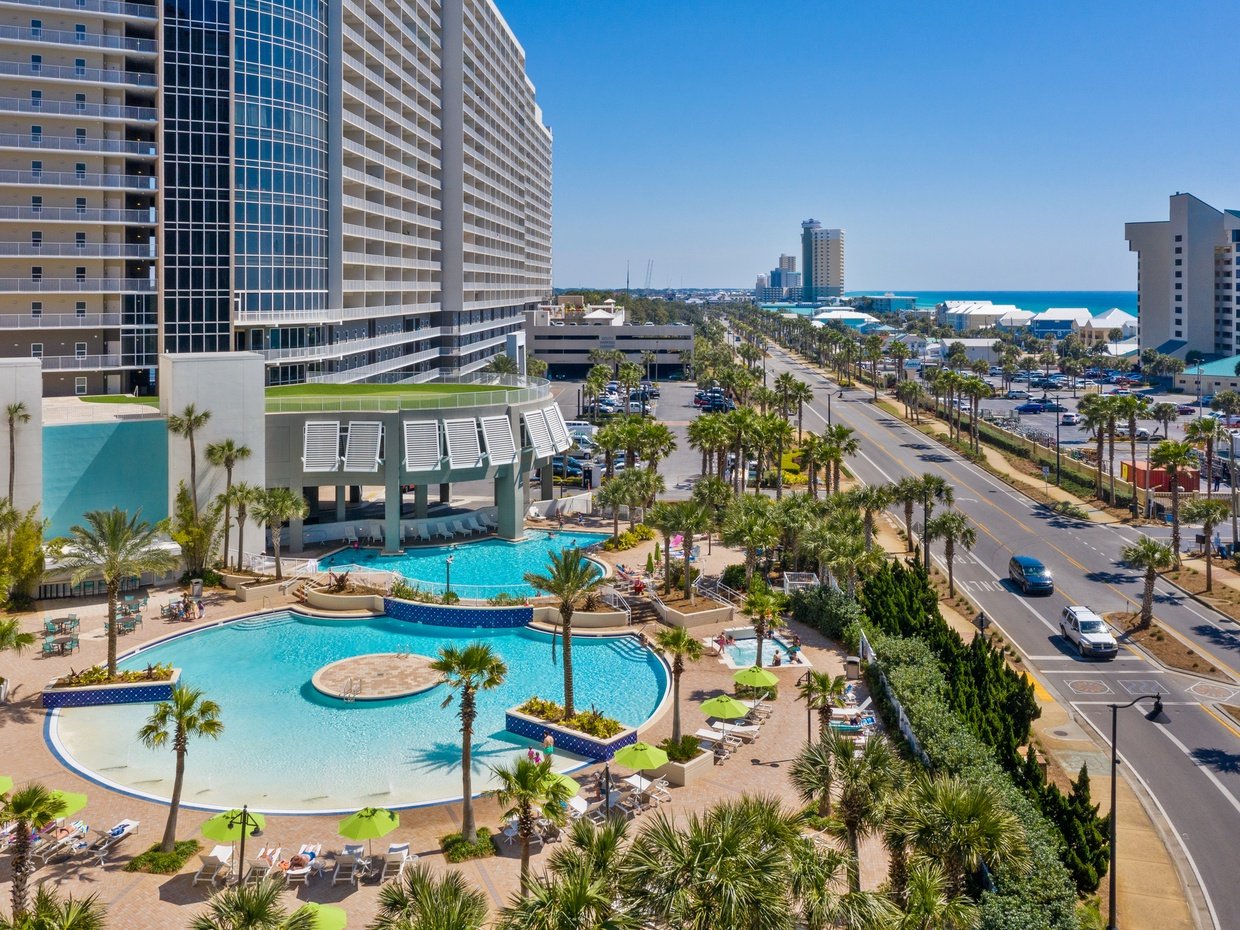
Panama City Beach includes beachfront condominiums, elevated coastal homes, inland residential neighborhoods, properties near lakes and drainage areas, and homes close to St. Andrews Bay or West Bay. Those properties can have different flood-zone designations even when they are only a short distance apart.
The same is true along 30A. Properties in Inlet Beach, Rosemary Beach, Alys Beach, Seacrest, WaterSound, Seagrove, Seaside, WaterColor, Grayton Beach, Blue Mountain Beach, Gulf Place and Dune Allen Beach should be evaluated individually.
A Gulf-front home may have different conditions from a home located several streets inland. A property next to a coastal dune lake, wetland, creek or low-lying drainage area may also have considerations that are not obvious from the listing photographs.
Do not rely on a general statement that an entire community is “in” or “out” of a flood zone. Review the exact address, parcel, building location and elevation information.
Bay County’s Updated Flood Maps
Bay County adopted updated FEMA flood maps that became effective on August 16, 2024. The update affected flood-zone boundaries and Base Flood Elevations for some properties.
That matters because an older survey, prior listing, previous insurance policy or historic flood-zone disclosure may not reflect the current effective map.
Buyers considering property in Panama City Beach should compare the current FEMA map with available surveys, elevation certificates, building records and insurance information. The official county map should be used rather than relying only on a third-party real estate website.
Read Bay County’s notice concerning the updated FEMA flood maps.
What Do Flood Zones X, AE and VE Mean?
Flood Zone | General Meaning | What a Buyer Should Do |
|---|---|---|
Zone X, Unshaded | An area of lower mapped flood risk, generally outside the 0.2% annual-chance floodplain. | Do not assume there is no risk. Check drainage, prior water intrusion, insurance options and the lender’s requirements. |
Zone X, Shaded | An area of moderate mapped flood risk, generally between the 1% and 0.2% annual-chance flood boundaries. | Obtain a flood-insurance quote and confirm whether the lender has requirements beyond the federal minimum. |
Zone A | A high-risk Special Flood Hazard Area where a Base Flood Elevation may not have been determined. | Ask for professional flood and elevation information, insurance quotes and local building guidance. |
Zone AE | A high-risk Special Flood Hazard Area with an established Base Flood Elevation. | Review the elevation certificate, finished-floor elevation, insurance quote, lender requirements and any lower-level enclosures. |
Zone VE | A high-risk coastal area with additional hazards from storm waves or velocity-driven water. | Carefully review elevation, foundation design, construction records, insurance availability, deductibles and applicable coastal building requirements. |
Important: The phrase “100-year flood” does not mean flooding occurs only once every 100 years. It refers to a flood event with a 1% chance of being equaled or exceeded in any given year.
FEMA provides a broader explanation of these classifications through its official flood-zone guide.
Is Flood Zone X Safe?
Flood Zone X generally indicates lower mapped risk than Zones AE or VE, but it should not be described as completely safe or flood-free.
Heavy rainfall, overloaded drainage systems, localized ponding, coastal storms, storm surge, nearby wetlands and changes in surrounding development can create problems outside a mapped Special Flood Hazard Area.
A Zone X designation also does not answer every insurance question. A mortgage lender can impose requirements that go beyond the minimum federal requirement, and a buyer may decide that flood coverage is appropriate even when it is optional.
For a Zone X property, buyers should still ask:
- Has the home, garage, parking area or street flooded before?
- Has water entered the property during heavy rain or a tropical system?
- Are there nearby drainage easements, retention areas, wetlands or coastal dune lakes?
- Is flood insurance available, and what would it cost?
- Does the lender require coverage?
- Have additions or grading changes affected drainage?
- Has the flood-zone designation changed since the home was built?
What Should Buyers Know About Flood Zone AE?
Flood Zone AE is a Special Flood Hazard Area with an established Base Flood Elevation. A property in Zone AE is not automatically a poor purchase, but the building’s elevation and construction details become especially important.
Two homes in the same AE zone can present different risks and insurance considerations. One may have an elevated finished floor, properly placed mechanical equipment and compliant flood openings. Another may sit lower or contain enclosed space below the required elevation.
For a Zone AE property, request or investigate:
- The current elevation certificate, if available
- The Base Flood Elevation shown for the property
- The elevation of the lowest finished floor
- The location and elevation of HVAC, electrical and other mechanical equipment
- Whether lower-level enclosures are compliant and insurable
- Permit history for additions, renovations or enclosed areas
- A current flood-insurance quote based on the actual property
- The lender’s flood-insurance requirement
What Should Buyers Know About Flood Zone VE?
Flood Zone VE applies to certain coastal areas where flooding may include wave action. These properties can require closer review of the foundation, elevation, breakaway walls, lower-level use and coastal construction standards.
A VE designation does not automatically make a property unmarketable or uninsurable. It does mean that buyers should avoid making assumptions based only on the home’s appearance or asking price.
Before purchasing a VE-zone property, review:
- The elevation certificate and survey
- The type and condition of the foundation
- Whether living space or storage has been created below the elevated floor
- The permitted use of any ground-level enclosure
- Flood vents, breakaway walls and other flood-related construction features
- Insurance availability, premiums and deductibles
- Wind and flood coverage as separate parts of the total insurance picture
- Repair and rebuilding requirements following substantial damage
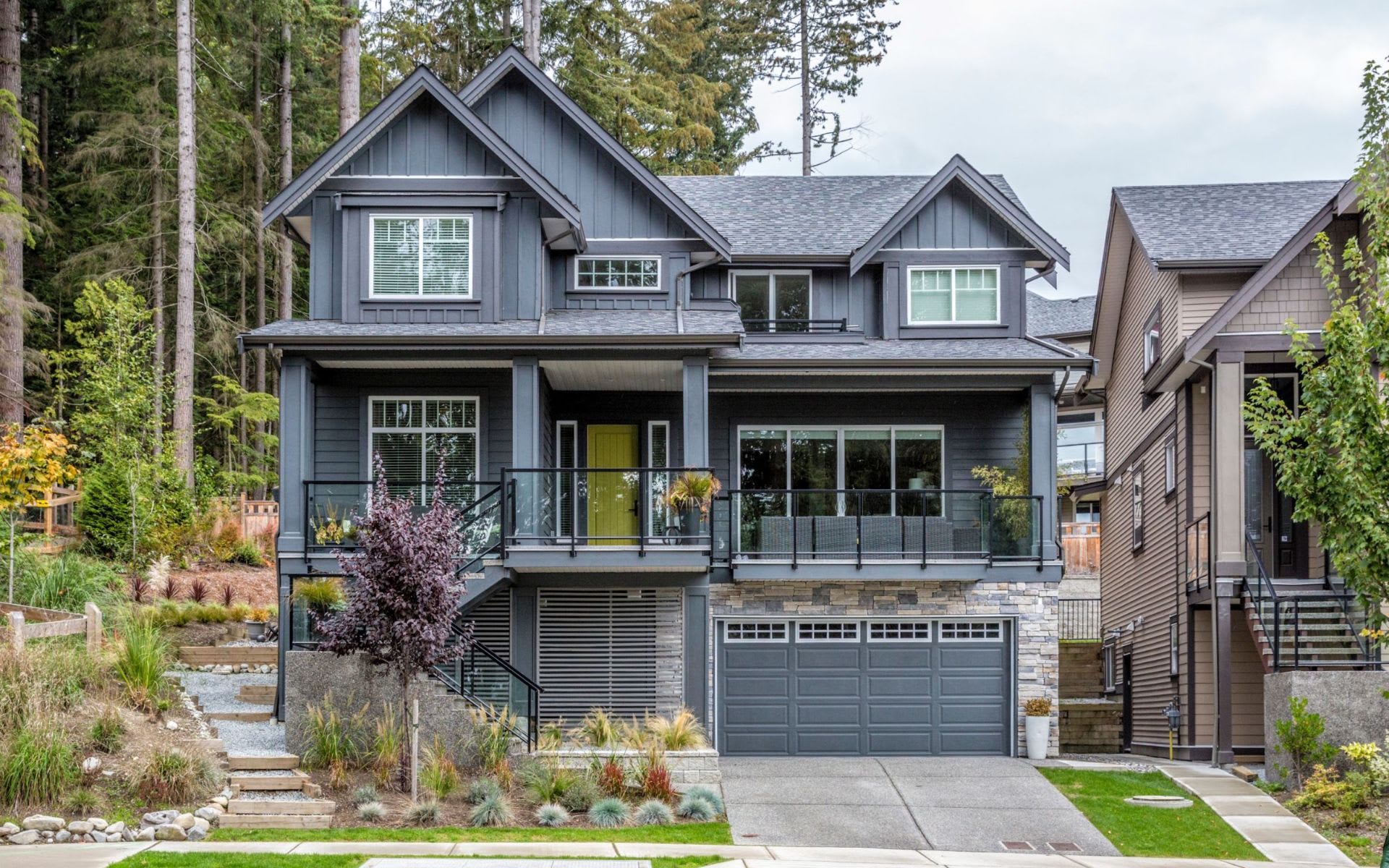
Elevated coastal design: This image shows a built-up lower level, concrete garage foundation and tiered entry. A buyer should not infer flood-zone compliance or safety from appearance alone; compare the applicable Base Flood Elevation with the building’s documented elevations.
What Is Base Flood Elevation?
Base Flood Elevation, commonly called BFE, is the estimated elevation that floodwater could reach during the flood event with a 1% annual chance of occurring.
Buyers should compare the applicable BFE with the building’s elevation information. The flood zone gives the mapped category, while an elevation certificate can provide more specific information about the structure.
The City of Panama City Beach maintains information about certain available elevation certificates:
Search Panama City Beach’s available elevation-certificate information.
Not every property will have an elevation certificate available through the city or seller. A surveyor may be needed when reliable elevation documentation cannot be located.
How to Check the Flood Zone for a Specific Property
- Search the exact address through FEMA.
Use the FEMA Flood Map Service Center. FEMA identifies this as the official public source for National Flood Insurance Program flood-hazard information. - Check the correct county map.
Use BayView for Bay County or the Walton County map portal for a 30A property. - Confirm that the map is current.
Flood maps can be revised. Do not rely solely on a screenshot, an old MLS entry or a prior owner’s recollection. - Request the survey and elevation certificate.
These documents may help clarify where the building sits in relation to the mapped flood area and applicable elevation. - Send the property details to an insurance agent.
Obtain a written quote based on the specific address, building type, elevation information and intended use. - Confirm the lender’s requirements.
The lender’s flood determination and insurance requirements may control what coverage is needed for financing. - Review everything before the applicable contract deadlines.
Insurance, financing, inspections, surveys and association documents should be evaluated early enough to preserve the buyer’s contractual options.
When Is Flood Insurance Required?
Flood insurance is generally required when a property is located in a Special Flood Hazard Area and the buyer has a federally backed mortgage. Those high-risk areas typically include zones beginning with A or V. A lender may also impose its own requirements outside those zones.
Citizens flood-insurance requirements in 2026
Citizens Property Insurance has a separate phase-in for most new and renewing Personal Residential policies that include wind coverage. For qualifying homes outside a FEMA Special Flood Hazard Area, the requirement applies in 2026 when the policy has at least $400,000 in Coverage A dwelling value. Citizens says the requirement expands on January 1, 2027, to the remaining qualifying policies regardless of value.
Citizens lists condominium unit-owner policies, tenant contents policies, and policies that exclude windstorm or hail coverage among the exceptions to this requirement. A condo association’s master-policy requirements and a mortgage lender’s requirements are separate questions, so buyers should have the actual policy type and property reviewed by their insurance agent and lender.
Cash buyers may not face a lender requirement, but that does not eliminate the underlying risk. Most standard homeowners policies do not provide the same protection as a separate flood policy. Buyers should compare NFIP and available private-flood options, coverage limits, waiting periods, deductibles and exclusions with a qualified insurance professional.
Review the National Flood Insurance Program’s eligibility information and Citizens’ current flood-insurance requirements.
How Much Does Flood Insurance Cost in Panama City Beach or on 30A?
There is no reliable flat price for flood insurance across Panama City Beach or 30A. The cost can depend on the specific property, coverage, elevation, construction, location, deductible, replacement cost and the insurance market available to that owner.
The same flood-zone letter does not guarantee the same premium for every property.
For that reason, buyers should obtain a written quote rather than estimating the cost from a neighboring property, an online discussion or the seller’s existing premium. A seller’s policy, coverage limits or rating history may not transfer to a new buyer in the same form.
When comparing properties, include flood insurance as part of the complete ownership estimate along with:
- Homeowners or condominium insurance
- Wind coverage and hurricane deductibles
- HOA or condominium association fees
- Property taxes
- Maintenance and repair reserves
- Rental-management expenses, when applicable
- Potential special assessments
Flood Zones and Evacuation Zones Are Different
A flood zone is used to describe mapped flood risk and can affect flood-insurance and building requirements.
An evacuation zone is used by emergency-management officials when determining which areas may need to evacuate because of storm surge or other hurricane conditions.
A property can be in Flood Zone X and still be located in an evacuation area. Conversely, knowing the flood zone alone does not tell an owner whether an evacuation order will be issued during a particular storm.
Review the City of Panama City Beach’s explanation of flood zones, storm surge and evacuation planning.
What Panama City Beach Condo Buyers Should Check
Flood-insurance due diligence for a condominium is different from reviewing a detached house. The association may maintain a master flood policy for the building, while the unit owner may need separate coverage for personal property, interior improvements or other exposures.
Condo buyers should request and review:
- The condominium association’s current flood-insurance declaration page
- The type and amount of master building coverage
- Policy deductibles
- Coverage limitations and exclusions
- Whether the lender considers the association’s coverage sufficient
- Any unit-owner coverage recommended by the insurance agent
- Flood-related claims or major repairs disclosed by the association
- Pending insurance increases or special assessments
- Where parking, storage areas, electrical equipment and mechanical systems are located
Do not assume that a condominium association’s master policy covers everything inside the unit or every loss a unit owner could experience. Have both the association policy and the buyer’s individual needs reviewed by an insurance professional.
Buyers comparing buildings can also review the Panama City Beach condo buildings comparison guide and current Panama City Beach condos for sale.
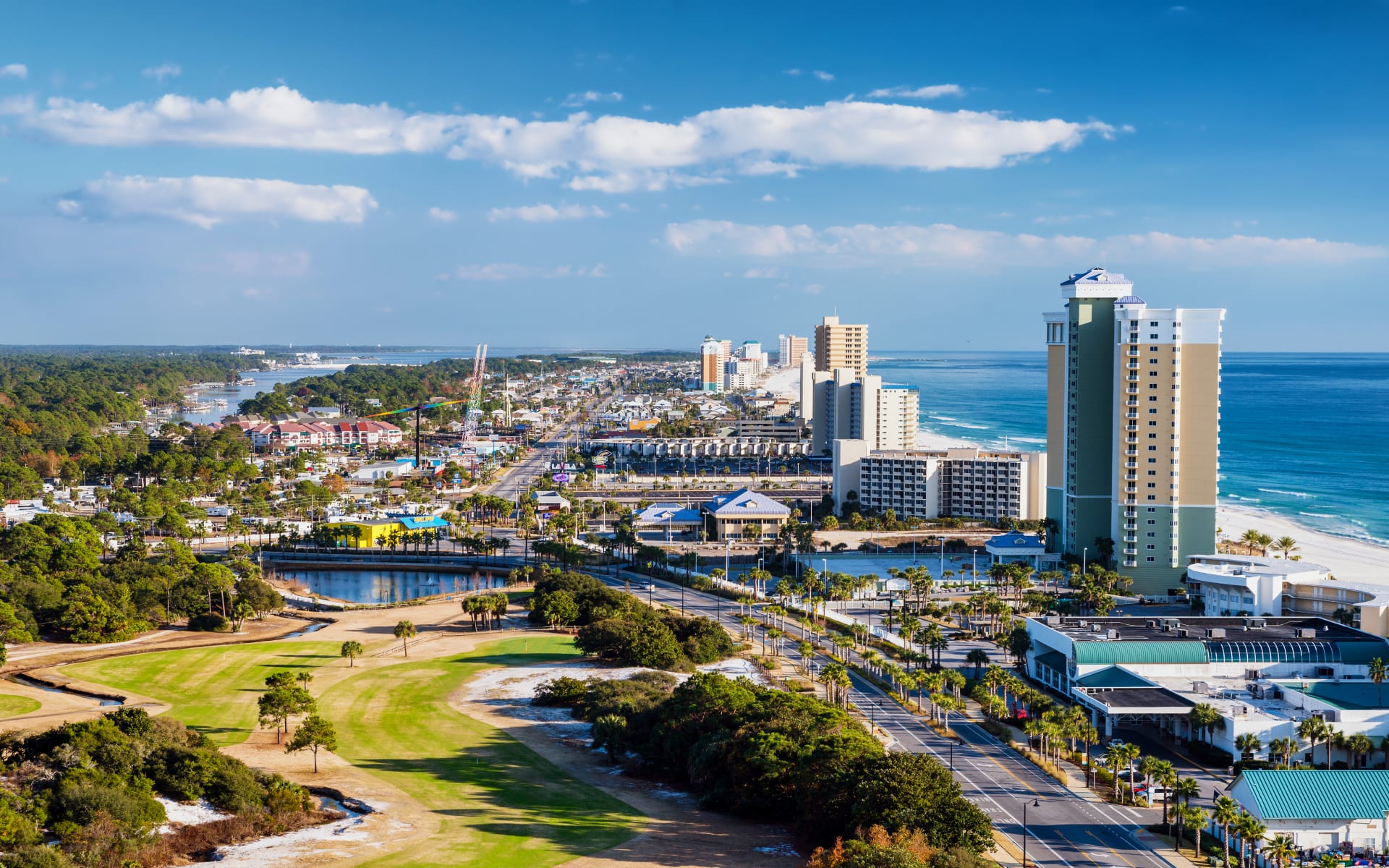
The Complete Coastal Picture: Panama City Beach's landscape features a mix of Gulf-front high-rises and inland residential pockets. When evaluating a detached home or townhome near the water, looking beyond the beachfront to check local drainage, neighborhood elevation, and historical storm-surge maps is a vital step in your due diligence.
What Coastal Home Buyers Should Check
For a detached home, townhome or vacation property, flood due diligence should extend beyond the zone shown on the map.
Ask about:
- Past flooding or water intrusion
- Finished-floor elevation
- Elevation of the HVAC system and electrical equipment
- Drainage patterns around the home
- Nearby wetlands, ponds, creeks, bays and coastal dune lakes
- Flood vents and lower-level enclosures
- Previous insurance claims
- Permits for additions and renovations
- Whether improvements comply with current floodplain regulations
- Whether a Letter of Map Amendment or map revision affects the property
The inspection, survey, elevation information and insurance quote should be considered together. No single document provides the complete ownership picture.
Flood-Zone Questions for Vacation-Rental Investors
A vacation-rental buyer should evaluate both physical risk and business risk.
In addition to insurance premiums, consider:
- Whether flood damage could make the property unavailable for guests
- Whether furniture and rental contents require separate coverage
- How deductibles would affect cash reserves
- Whether loss of rental income is covered or excluded
- Whether the property manager has a hurricane and post-storm inspection plan
- Whether ground-level storage contains owner or guest equipment
- How quickly elevators, parking areas, utilities and amenities could reopen after a storm
- Whether the HOA has sufficient insurance and reserves
Do not assume that a standard flood policy automatically replaces lost rental revenue or provides every type of business-interruption protection. Ask the insurance agent to explain the policy in writing.
For additional investment guidance, review Panama City Beach investment condos for sale.
Where to Stay While Checking Properties and Flood Zones
If you are coming to tour homes or condos, staying in the area can help you compare access roads, parking decks, ground-level storage, neighborhood drainage and the drive between Panama City Beach and 30A. A visit can reveal practical concerns, but it does not determine a property’s FEMA flood zone.
For professionally managed vacation rentals in Panama City Beach and 30A, browse Emerald Beach Rentals. Availability, parking, pet rules and property features vary by rental.
For a West End home base near the Panama City Beach and 30A corridor, see Barefoot Paradise PCB, a dog-friendly three-bedroom vacation home. Confirm current amenities and booking requirements directly on the property website.
The fact that a rental is mentioned here is not a statement about its flood zone or insurance risk. Search every address through FEMA and the applicable county map.
Flood-Zone Due Diligence for 30A Properties
Along 30A, buyers may focus heavily on beach access, architectural style, HOA amenities, walkability and rental rules. Flood, elevation and drainage considerations should receive the same attention.
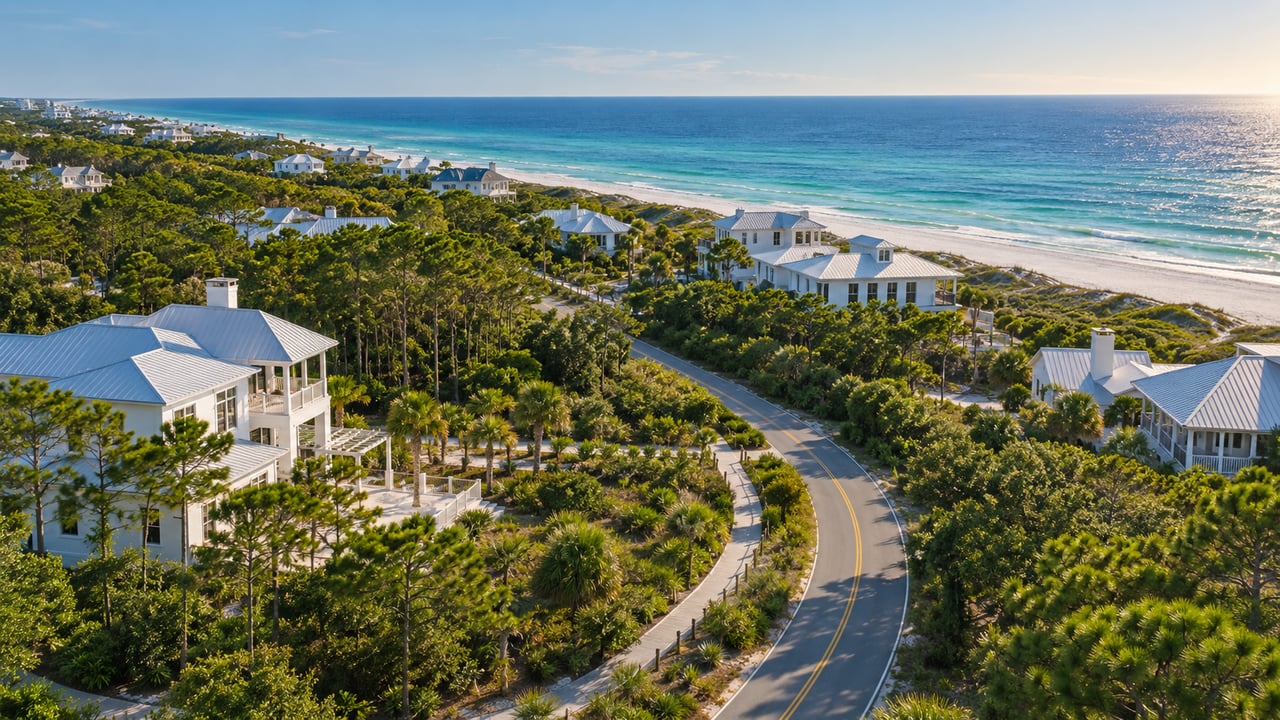
South Walton includes Gulf-front land, coastal dune lakes, wetlands, low-lying areas and newer elevated construction. Conditions can vary substantially between communities and individual lots.
Before buying on 30A:
- Search the parcel through Walton County’s map portal
- Confirm the flood zone using FEMA’s current effective map
- Request an elevation certificate when available
- Review wetlands and drainage information
- Check HOA architectural and rebuilding requirements
- Obtain insurance quotes before the contract deadlines
- Confirm rental restrictions and intended property use separately
Explore available properties through the 30A homes for sale guide, 30A East real estate guide and 30A West real estate guide.
Flood-Zone Checklist Before Buying
- Search the exact address through FEMA
- Check the applicable Bay County or Walton County map
- Confirm the effective map date
- Review the survey
- Request the elevation certificate
- Confirm the Base Flood Elevation when applicable
- Inspect lower-level enclosures and storage areas
- Review permit history
- Ask about previous flooding and insurance claims
- Obtain written flood, wind and property-insurance quotes
- Confirm lender requirements
- Review condominium or HOA insurance documents
- Evaluate deductibles and personal cash reserves
- Complete these reviews before applicable contract deadlines
What Sellers Should Prepare
Flood-zone questions often arise early when selling coastal property. Sellers can reduce delays by gathering relevant documents before listing.
Useful information may include:
- A current survey
- An elevation certificate
- Current insurance declarations
- Flood-policy information
- Known flood or water-intrusion history
- Permits for additions, enclosures or elevation work
- HOA or condominium master insurance documents
- Documentation of flood-mitigation improvements
Sellers should avoid describing a property as having “no flood risk.” A better approach is to provide the available documentation and allow the buyer, lender and insurance professionals to complete their own review.
Frequently Asked Questions About Panama City Beach and 30A Flood Zones
Is Panama City Beach in a flood zone?
Panama City Beach contains multiple flood zones. The designation depends on the specific property, parcel, building location and elevation. Buyers should check the exact address through FEMA and Bay County rather than applying one designation to the entire city.
Is 30A in a flood zone?
Properties along 30A can be located in Zone X, AE, VE or another mapped zone. Flood conditions can vary by community and lot, particularly near the Gulf, coastal dune lakes, wetlands and low-lying areas.
Is Flood Zone X the best flood zone?
Zone X generally represents lower mapped risk than Zones AE or VE, which can make it attractive to buyers. However, Zone X does not mean there is no flood risk, and it does not replace property-specific insurance and drainage due diligence.
Does a home in Flood Zone AE require flood insurance?
A property in Zone AE with a federally backed mortgage generally requires flood insurance. Other lenders may also require coverage. Cash buyers should evaluate the risk and available coverage even without a lender requirement.
What is the difference between AE and VE?
Both are Special Flood Hazard Areas. Zone AE has an established Base Flood Elevation. Zone VE is a coastal high-risk area that also accounts for additional hazards from storm waves or velocity-driven water.
Can a flood zone change?
Yes. FEMA and local governments periodically update flood maps based on new studies, development, topography and other information. Bay County’s updated maps became effective August 16, 2024.
Can a flood zone affect the sale of a property?
Yes. It can affect insurance costs, lender approval, buyer demand, construction requirements and the buyer’s estimate of total ownership expenses. It does not automatically prevent a property from being sold.
Should I obtain flood insurance in Zone X?
That decision depends on the property, lender requirements, coverage options, cost and the buyer’s tolerance for risk. Zone X is not risk-free, so buyers should obtain a quote and discuss the coverage with an insurance professional.
Can Citizens require flood insurance for a Zone X home in 2026?
Yes, for some policy types. Citizens says its 2026 phase-in applies to qualifying new and renewing Personal Residential policies with wind coverage when Coverage A is at least $400,000, even outside a Special Flood Hazard Area. Citizens lists condominium unit-owner policies and certain other policy types as exceptions. Verify the exact policy and current requirements with Citizens, the insurance agent and the lender.
Do condo owners need their own flood policy?
The association may insure the building through a master flood policy, but that coverage may not fully protect the unit owner’s personal property, interior improvements or other exposures. Condo buyers should have the master policy and their individual coverage needs reviewed by an insurance professional and lender.
Where can I find an official flood-zone map?
Use the FEMA Flood Map Service Center for the official federal map. Bay County and Walton County also provide local map portals and floodplain resources.
Is a flood zone the same as a hurricane evacuation zone?
No. Flood zones relate to mapped flood risk and insurance. Evacuation zones are used by emergency-management officials for storm-surge and evacuation decisions.
Official Flood Map and Insurance Resources
- FEMA Flood Map Service Center address search
- National Flood Insurance Program flood-zone guide
- Flood-insurance eligibility and lender requirements
- Citizens flood-insurance requirements
- Bay County FEMA flood-zone maps
- Bay County BayView interactive map
- City of Panama City Beach flood information
- Panama City Beach available elevation certificates
- Walton County map portal
- Walton County FEMA flood-zone explanations
- Request flood information from Walton County
Related Panama City Beach and 30A Real Estate Guides
- Panama City Beach condos for sale
- Panama City Beach investment condos for sale
- Panama City Beach condo buildings comparison guide
- 30A homes for sale
- 30A East homes for sale
- 30A West real estate guide
- Panama City Beach and 30A buyer FAQ
- Explore Panama City Beach and 30A neighborhoods
Buying or Selling Property in Panama City Beach or on 30A?
A flood-zone designation is only one part of the decision. Buyers should also compare insurance, HOA or condominium costs, property condition, rental restrictions, parking, beach access, financing and resale potential.
Roger Rietsema, Realtor® with Allison James Estates & Homes, helps buyers and sellers evaluate the complete ownership picture before moving forward.
Call or text:850-596-5844
Email:[email protected]
Website:SellFL.net
About Roger Rietsema
Roger Rietsema is a Panama City Beach and 30A Realtor® with Allison James Estates & Homes. He helps buyers, sellers, second-home owners and investors compare coastal homes, beachfront condos, luxury property and vacation-rental opportunities throughout Panama City Beach and the 30A communities of South Walton.
His guidance focuses on practical ownership issues, including pricing, insurance considerations, HOA and condominium rules, rental restrictions, property condition, beach access, parking, operating expenses and resale potential.
Last updated: August 20, 2026
Important disclaimer: This article provides general real estate information and is not an official flood-zone determination, insurance quote, engineering opinion, legal opinion or guarantee of future flood conditions. Flood maps, insurance requirements, premiums, lending standards and local regulations can change. Buyers and property owners should independently verify all information with FEMA, the applicable local government, a licensed surveyor, their lender, a qualified insurance professional and other appropriate advisers.