Updated October 4, 2026: navigation, comparison inquiry and search description
Choosing a Panama City Beach condo involves more than comparing Gulf views, pools and interior finishes. Buyers should also investigate the building’s inspection history, reserve funding, insurance, maintenance record, association finances and possible special assessments.
This guide explains how buyers can compare Panama City Beach condo buildings and investigate an important question people are asking online: Which mid-rise condos in Panama City Beach are structurally solid?
Quick Answer: Which PCB Mid-Rise Condos Are Structurally Solid?
There is no permanent or official list ranking Panama City Beach condo buildings from most to least structurally sound. Conditions change as buildings age, inspections are completed, repairs are made and associations update their reserves.
The best evidence comes from the building’s current Milestone Inspection, Structural Integrity Reserve Study, engineering reports, repair history, insurance information, reserves, association finances and special-assessment history.
A Realtor can help buyers obtain and organize these records, but structural conclusions should come from a qualified Florida-licensed engineer or architect.
Start your comparison:Documents to request | Building comparison checklist | Ask about your shortlist
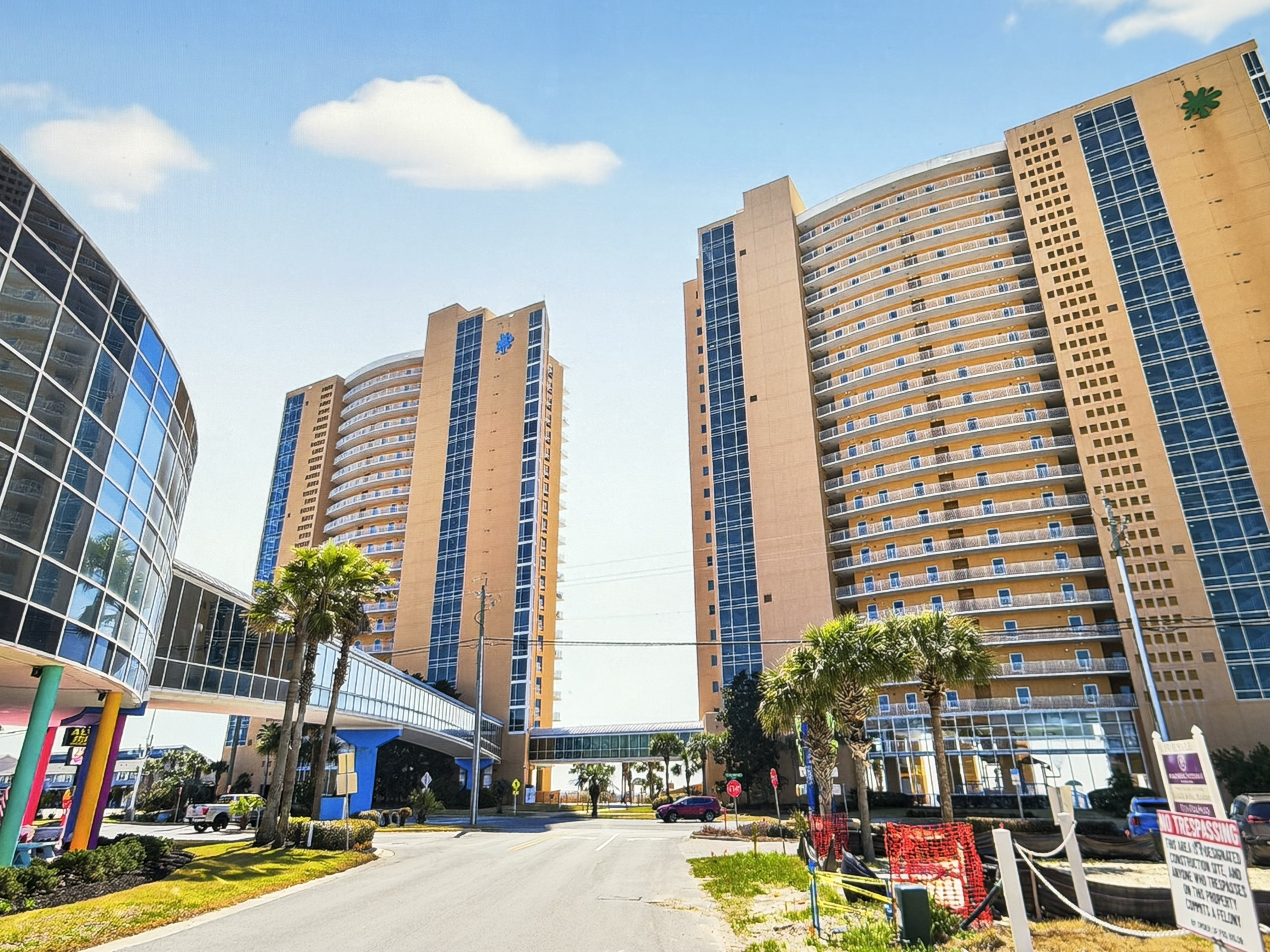
Comparing Two Panama City Beach Condo Buildings?
Send Roger the building names or listing links, your price range and intended use. He can help you compare available inspection records, association expenses, rental rules and questions to resolve before an offer.
Ask Roger to Compare Buildings
Roger Rietsema, Realtor® | Allison James Estates & Homes
Structural conclusions should come from a qualified Florida-licensed engineer or architect.
What Does Structurally Solid Mean for a Panama City Beach Condo?
“Structurally solid” is not a permanent marketing label. It is a conclusion that must be supported by current inspections and professional documentation.
A building may appear attractive while still having unresolved repair, waterproofing or reserve issues. Another building may be undergoing visible repairs because the association identified a problem and is actively correcting it.
Buyers should look for documentation showing:
- Required structural inspections were completed
- Recommended repairs were addressed or properly scheduled
- The association has a current reserve study
- Reserve contributions are being collected
- Concrete, balconies, roofs and waterproofing are maintained
- Insurance coverage is in place and deductibles are understood
- Owners have been informed about significant projects and assessments
- No unresolved unsafe-condition notices have been disclosed
A building’s current records matter more than its reputation. Buyers should not rely solely on online comments, listing descriptions, attractive common areas or a recently renovated unit.
Does Mid-Rise Mean a Condo Is Better Built?
No. A mid-rise designation generally describes a building’s height, not its structural condition.
Some buyers prefer mid-rise buildings because they may have fewer units, less elevator congestion and a quieter atmosphere than a large resort tower. However, fewer units can also mean fewer owners sharing the cost of insurance, roofing, exterior maintenance and major repairs.
A mid-rise condo is not automatically safer or less expensive to maintain. Age, salt exposure, drainage, waterproofing, construction details, storm history and the association’s maintenance decisions all matter.
Possible Mid-Rise Advantage | Issue Buyers Still Need to Review |
|---|---|
Fewer units | Fewer owners may share major association expenses |
Fewer elevators | Elevator age, maintenance history and replacement cost |
Less guest congestion | Rental activity, parking and association enforcement |
Smaller amenity package | Condition and funding of existing pools, roofs and common areas |
Panama City Beach Milestone Inspection Requirements
The City of Panama City Beach requires qualifying residential condominium and cooperative buildings that are three stories or more to undergo a Milestone Inspection by the end of the year in which the building reaches 25 years of age, followed by inspections every 10 years.
The inspection must be performed by a Florida-licensed architect or engineer. Phase One is primarily a visual examination of the building’s major structural components.
If the professional finds no signs of substantial structural deterioration, Phase Two is generally not required. If possible substantial structural deterioration is identified, Phase Two may involve additional testing and recommendations for repairs.
Buyers can review the current requirements through:
Inspection rules, deadlines and property applicability can change. Buyers should confirm the current requirements with the city, DBPR, the condominium association and the appropriate licensed professionals.
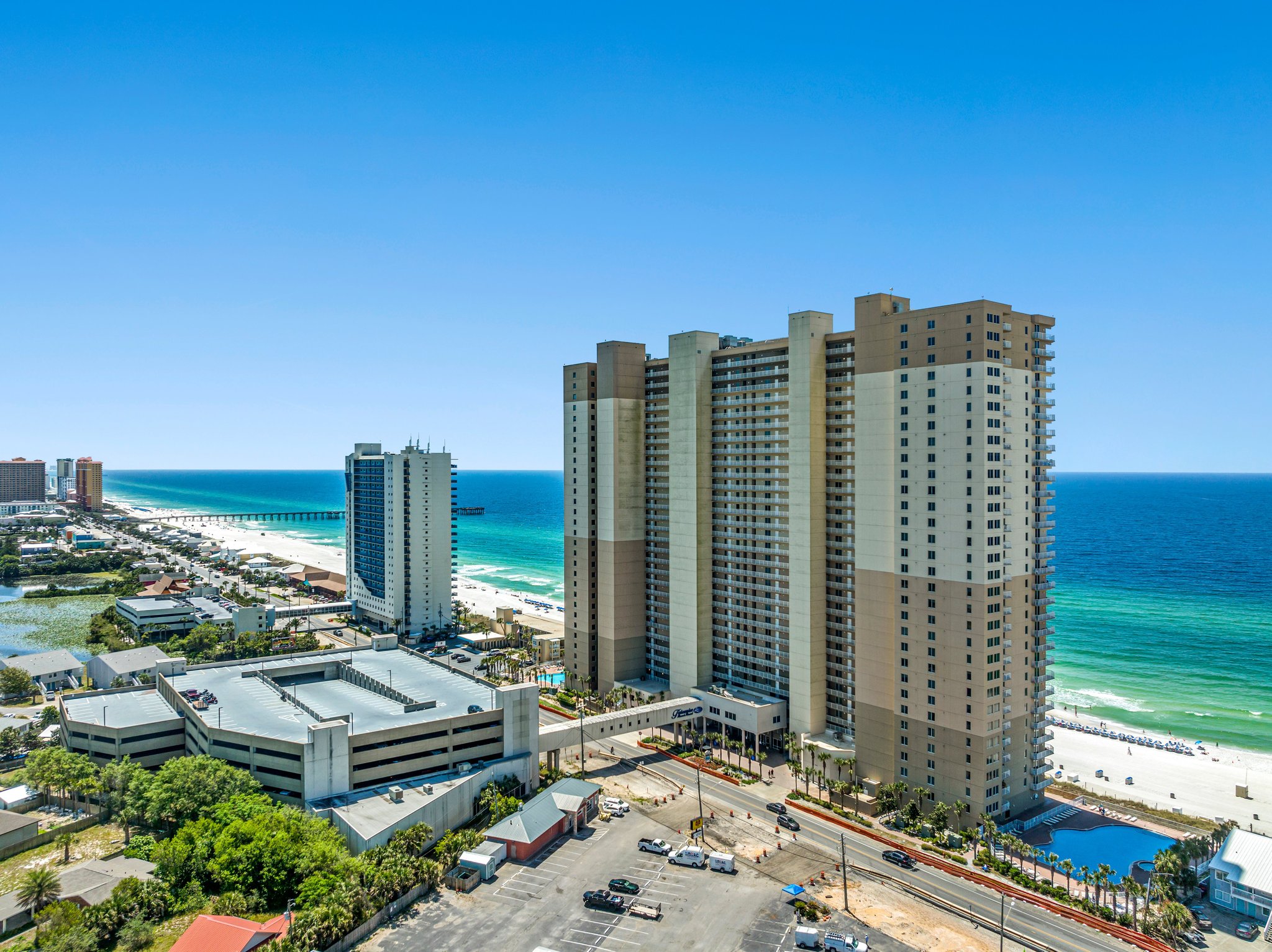
Milestone Inspection vs. Structural Integrity Reserve Study
A Milestone Inspection and a Structural Integrity Reserve Study are related, but they do not answer the same question.
Topic | Milestone Inspection | Structural Integrity Reserve Study |
|---|---|---|
Main purpose | Examines structural condition | Plans funding for major building components |
Buyer question | Was substantial structural deterioration identified? | Is the association financially preparing for major repairs? |
Why it matters | Safety, repairs, financing and resale | Reserves, HOA fees, assessments and future expenses |
A building can complete a Milestone Inspection and still need repairs. A completed inspection also does not guarantee that the association has enough money reserved to pay for future work.
For a deeper explanation, read Milestone Inspections and SIRS for Panama City Beach Condos.
Documents to Request Before Buying a Panama City Beach Condo
Before making a final decision about a condo building, request and review:
- The latest Milestone Inspection and summary, if applicable
- The current Structural Integrity Reserve Study
- The association’s current budget and reserve schedule
- Recent board and membership meeting minutes
- Current, pending and recently completed special assessments
- Engineering and concrete-restoration reports
- Roof, balcony and waterproofing records
- Elevator maintenance and modernization information
- Current master insurance information
- Pending litigation and property-insurance claims
- City, building or fire-department notices
- Association delinquency information when available
Meeting minutes deserve particular attention. They may contain early discussions about repairs, insurance increases, lawsuits, reserve shortfalls, loans or proposed assessments that are not obvious from the listing.
How Coastal Conditions Affect PCB Condo Buildings
Panama City Beach condo buildings face constant exposure to salt air, humidity, wind, sun and heavy rain. Gulf-front buildings may also experience water intrusion, balcony wear, corrosion, exterior coating failure and storm-related damage.
Components buyers should investigate include:
- Balconies and railings
- Exterior concrete and reinforcing steel
- Windows and exterior doors
- Roofs and waterproofing systems
- Walkways and pedestrian bridges
- Parking garages and decks
- Elevators
- Pool decks and drainage
- Fire-protection systems
- Common plumbing and electrical systems
Visible cracks or stains do not automatically prove that substantial structural deterioration exists. They should still be investigated and interpreted by the appropriate professional when necessary.
How to Compare Panama City Beach Condo Buildings
Buyers often compare Calypso, Tidewater, Splash, Emerald Beach, Aqua, Shores of Panama, Grand Panama, Majestic, Treasure Island, Sterling Reef, Ocean Villa, Edgewater, Celadon, Long Beach and En Soleil.
This list is not a structural ranking. Each building has its own inspection history, association finances, insurance, maintenance record and ownership costs.
Comparison Area | What to Review |
|---|---|
Building condition | Inspections, engineering reports, repairs and maintenance history |
Association finances | Budget, reserves, debts, delinquencies and assessments |
Insurance | Master coverage, deductibles, claims and owner requirements |
HOA fees | Monthly amount, included services and future funding needs |
Parking and elevators | Capacity, restrictions, condition and modernization plans |
Rental rules | Minimum stays, occupancy, registration and management restrictions |
Financing | Project eligibility, insurance, litigation and reserve requirements |
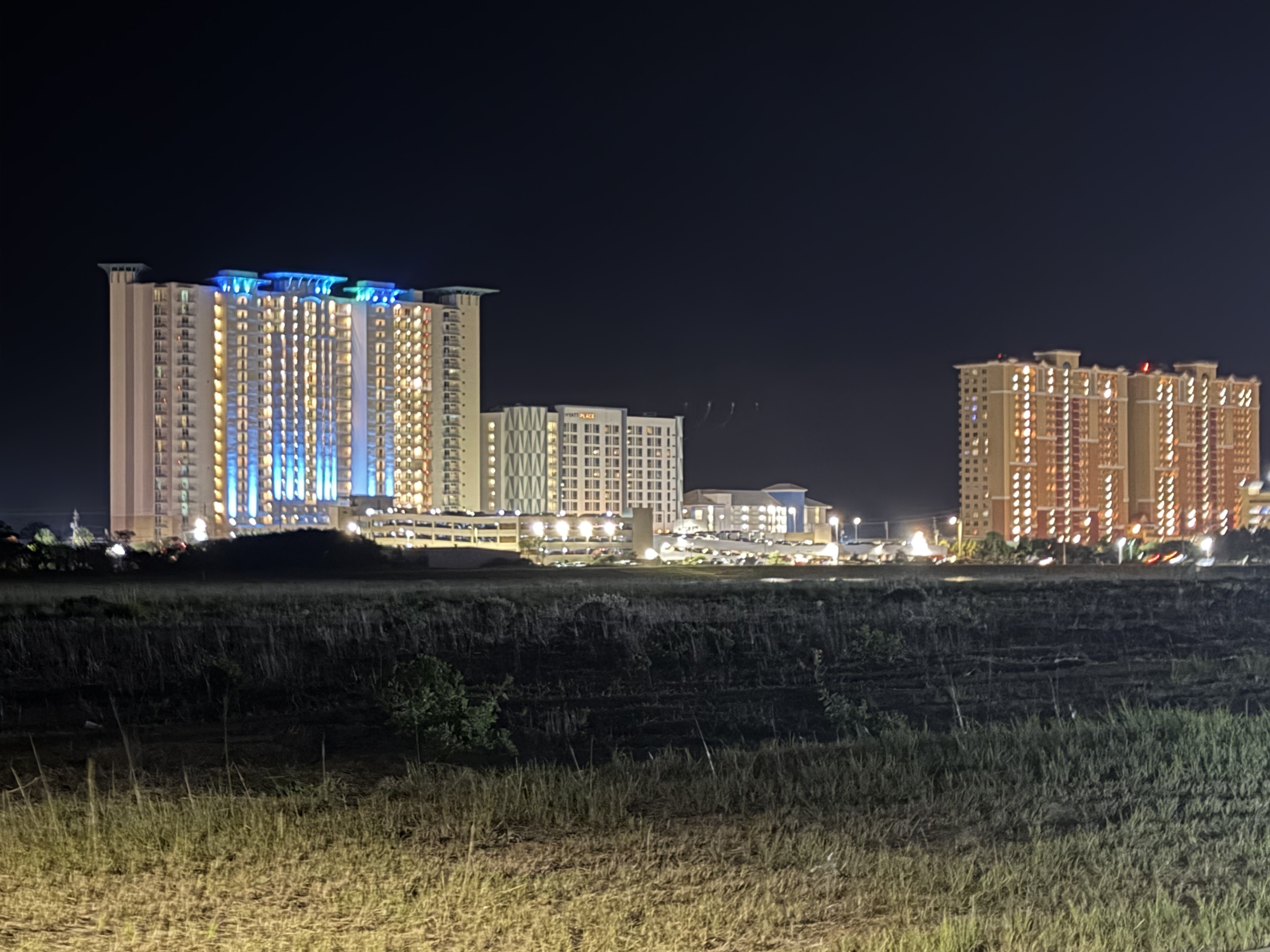
HOA Reserves, Fees and Special Assessments
A low monthly HOA fee is not automatically a sign of a financially strong association. Buyers need to understand what the fee includes and whether the association is setting aside enough money for predictable building expenses.
A building with a higher fee may include insurance, reserves, utilities, security and extensive amenities. Another building may charge a lower fee while facing a future assessment for deferred work.
Ask whether association funds are being reserved for:
- Roof replacement
- Structural repairs
- Concrete restoration
- Waterproofing and exterior painting
- Windows and exterior doors
- Elevator repairs or modernization
- Fire-protection systems
- Plumbing and electrical components
Read HOA Fees for Panama City Beach Condos for additional ownership-cost questions.
Evaluate the Unit and Building Separately
A renovated condo does not repair an underfunded association. Likewise, a responsibly maintained building does not automatically make an overpriced or poorly positioned unit a good purchase.
Evaluate the Unit | Evaluate the Building |
|---|---|
Interior condition and renovations | Structural inspection and repair history |
Floor level and view | Association finances and reserves |
Windows, doors and moisture | Insurance, claims and deductibles |
Furniture and appliances | Elevators, roofs, balconies and common systems |
Price and comparable sales | HOA fees, assessments and long-term planning |
Condo Financing and Insurance Can Reveal Building Issues
Condo financing involves approval of both the borrower and the condominium project. A financially qualified buyer can still encounter lending problems if the building does not satisfy the lender’s project requirements.
Lenders may review:
- Master insurance coverage
- Association reserves
- Pending litigation
- Owner delinquencies
- Commercial space
- Owner occupancy
- Short-term rental concentration
- Structural reports and deferred maintenance
Before assuming a unit qualifies for a specific loan, read Warrantable vs. Non-Warrantable Condos in Panama City Beach and speak with a condo-experienced lender.
What About Panama City Beach Condo Rental Income?
Rental income is important for many PCB condo buyers, but it should be analyzed separately from structural condition. A building with strong guest demand can still have high HOA expenses, insurance costs or future repair obligations.
Buyers should compare actual unit-level rental statements when available and calculate net income after management, HOA fees, insurance, utilities, repairs, supplies and owner use.
For a detailed rental-focused comparison, read Best Panama City Beach Condos for Rental Income.
Common Panama City Beach Condo Buyer Mistakes
- Assuming concrete construction guarantees safety. Concrete buildings still require inspection, waterproofing and maintenance.
- Relying on the building’s reputation. Conditions, reserves and association leadership can change.
- Looking only at the condo interior. New floors and furniture do not correct common-building issues.
- Comparing only HOA fees. A low fee may come with weak reserves or assessment exposure.
- Ignoring association minutes. Minutes can reveal projects, litigation, loans and assessment discussions.
- Waiting to investigate financing. Project-level issues can affect available loan options.
- Relying solely on rental projections. Gross projections may not account for every ownership expense.
- Skipping professional review. Realtors do not replace engineers, attorneys, lenders or insurance professionals.
Questions to Ask Before Buying a PCB Condo
- Has the building completed all required inspections?
- Were repairs recommended, and were they completed?
- Is there a current Structural Integrity Reserve Study?
- How much money does the association hold in reserves?
- Are special assessments approved, proposed or being discussed?
- Are there open insurance claims or pending litigation?
- Has the association borrowed money for repairs?
- What does the monthly HOA fee include?
- Are any major repair projects scheduled?
- Are there lending or insurance concerns involving the building?
- Which components are maintained by the owner?
- Which components are maintained by the association?
Frequently Asked Questions
Which mid-rise condos in Panama City Beach are structurally solid?
There is no permanent official ranking. Buyers should evaluate each building’s current Milestone Inspection, Structural Integrity Reserve Study, engineering reports, repair history, reserves, insurance and association records. A licensed engineer or architect should interpret structural findings when necessary.
Is a concrete Panama City Beach condo automatically structurally sound?
No. Concrete construction is common along the coast, but it does not replace inspections or proper maintenance. Salt exposure, water intrusion, balconies, waterproofing, reinforcing steel and reserve funding all require attention.
Does mid-rise mean a condo is safer than a high-rise?
No. Mid-rise and high-rise describe building characteristics, not structural condition. Age, design, maintenance, inspections, repairs and association finances must be evaluated for each property.
What documents help show whether a condo building is maintained properly?
Important documents include the Milestone Inspection, SIRS, engineering reports, budgets, reserve schedules, meeting minutes, repair records, assessment history, insurance information and official notices.
Does a completed Milestone Inspection mean there will be no assessment?
No. An inspection addresses building conditions at a particular time. Assessments can still result from recommended repairs, reserve shortfalls, insurance costs, storm damage or other association expenses.
What is the difference between a Milestone Inspection and SIRS?
A Milestone Inspection evaluates structural condition. A Structural Integrity Reserve Study evaluates required building components and the association’s plan to fund future repair and replacement costs.
Can a Realtor certify that a condo building is structurally sound?
No. A Realtor can help obtain records, organize information and identify questions. Structural conclusions should come from a qualified Florida-licensed engineer or architect.
Are older Panama City Beach condos bad investments?
Not necessarily. An older building with documented maintenance, completed repairs, appropriate insurance and responsible reserve planning may fit a buyer’s needs. The specific unit, building records, price and ownership costs must all be reviewed.
Compare Panama City Beach Condos With Better Information
As a Panama City Beach Realtor, I help buyers compare Panama City Beach condos based on more than listing photographs. That includes location, recent sales, HOA expenses, association documents, inspection information, rental rules, parking, insurance considerations and special assessments.
If you are considering a condo for full-time living, a second home or investment, contact me before deciding which building fits your plans.
Written by Roger Rietsema, Realtor®
Roger Rietsema is a Realtor® with Allison James Estates & Homes and has more than 23 years of real estate experience. He helps buyers and sellers evaluate homes, condominiums and investment properties throughout Panama City Beach and the 30A area.
Phone:850-596-5844
Website:SellFL.net
Current listings:Panama City Beach homes and condos for sale
Contact:Contact Roger Rietsema
This article provides general real estate information and is not an engineering, structural, legal, lending, insurance, tax or financial opinion. Building conditions, association finances, inspection requirements, rental rules and property information can change. Buyers should independently verify property-specific information and consult the appropriate licensed professionals.