What Condo Buyers Need to Know Before They Buy in Panama City Beach
Main question: What do condo buyers need to know before buying in Panama City Beach?
Buying a condo in Panama City Beach can look simple on the surface. Great view, strong location, nice amenities, and the possibility of rental income. But one of the biggest mistakes buyers make is focusing on the unit and not paying enough attention to the rental rules.
Those rules can completely change how you use the property, how often you can rent it, and whether the condo truly fits your goals. In some cases, they can be the difference between a smart purchase and an expensive disappointment.
If you are thinking about buying a condo in Panama City Beach, here is what you need to watch closely before you move forward.
Ready to compare current listings? Start with the Panama City Beach homes and condos for sale search.
Why Rental Rules Matter So Much
A condo may look perfect online, but the actual rules of the building or association often tell the real story. Two units with similar views and similar prices can have very different restrictions.
Some buyers want a second home they can rent out part of the year. Others want a full-time residence with fewer short-term guests around them. Some are looking for a true investment property. The problem is that not every condo community is set up for every type of buyer.
That is why rental rules matter. They affect:
- Income potential
- Owner use
- Guest experience
- Financing appeal
- Resale value
- Long-term flexibility
If the rules do not match your plans, the condo is not the right fit no matter how good it looks.
For a broader local overview, read Panama City Beach Short-Term Rental Rules: What Buyers Need to Know.
Short-Term Rental Restrictions
This is one of the first things buyers need to verify.
Some condo communities in Panama City Beach allow short-term rentals with very few limitations. Others place restrictions on how often you can rent, the minimum stay required, or how the unit must be managed. In some buildings, short-term rentals may be limited or discouraged altogether.
That matters a lot if you are buying with rental income in mind.
A unit that allows nightly or weekly rentals may perform very differently from one that only allows monthly rentals or has tighter booking restrictions. You need to know what the rules are before you assume a property will work as a vacation rental.
If you are trying to compare rental-friendly areas, read What Are the Best Short-Term Rental Areas in Panama City Beach for Buyers to Consider?.
Local and State Rental Rules Also Matter
The condo association rules are only one layer. Buyers also need to understand local and state requirements.
Inside Panama City Beach city limits, vacation rentals are subject to the city’s short-term rental requirements. You can review the official City of Panama City Beach page here: Panama City Beach Short-Term Rentals.
For properties in unincorporated Bay County, buyers should also review the county’s vacation rental inspection and registration requirements: Bay County Short-Term Vacation Rental Inspections.
Florida DBPR also provides guidance on which rental properties need a vacation rental license. You can review that here: Florida DBPR Vacation Rental License Guidance.
The key point is simple: do not assume a condo can be rented just because other units nearby are online. Verify the building rules, local rules, state licensing, taxes, insurance, and management requirements before you buy.
Minimum Rental Periods
Minimum stay requirements can have a major impact on income potential.
For example, a condo that allows short stays may appeal to vacation guests throughout peak season. A condo that requires longer minimum stays may attract a different type of renter and may produce a different revenue pattern.
Neither is automatically better. It depends on your goals. But you need to know what you are buying into.
A lot of buyers look at the beach, the pool, and the balcony view. They do not always ask the right questions about the minimum rental period until later. That is backwards.
Occupancy Limits and Guest Rules
Occupancy limits are another major detail that buyers often overlook.
A condo may technically sleep a certain number of people based on beds, but the association may have its own limits on how many guests are allowed. There may also be rules about wristbands, parking passes, age requirements for renters, or how guests access amenities.
These rules can affect:
- How marketable the property is to families or groups
- How easy it is for guests to stay there
- How often complaints happen
- How smooth the rental experience is
If a condo is too restrictive for the type of guest you want to attract, that matters.
Pet Restrictions
Pet rules can be a dealbreaker for both owners and guests.
Some condo communities allow owners to have pets but do not allow guests to bring them. Some have weight limits, breed restrictions, or registration requirements. Others may prohibit pets entirely except in limited situations.
If you are buying for personal use and have a dog, that is a big issue. If you are buying as a rental and want to market to pet-friendly travelers, that is a big issue too.
Never assume a condo is pet-friendly just because another nearby building is.
Owner Use Restrictions
Some buyers assume that if they own the condo, they can use it whenever they want. That is not always the full picture.
There may be rules that affect how owners use the property while also operating it as a rental. There can also be practical limitations tied to booking schedules, management agreements, or community policies.
If your plan is to use the condo part of the year and rent it the rest of the time, make sure the setup truly works for that lifestyle.
HOA and Condo Association Documents
This is where the real due diligence happens.
Before buying a condo in Panama City Beach, buyers should review:
- Condo association rules
- Bylaws
- Declarations
- Current budgets
- Meeting notes when available
- Rental restrictions
- Fee structure
- Special assessment history, if available
- Insurance information
- Reserve information
- Building maintenance history
Florida condominium law also addresses important buyer disclosure documents. You can review the official statute here: Florida Statute 718.503.
A property can look great in photos and still have rules or financial issues that make it a poor fit.
The documents matter because they tell you how the building is run, how financially stable it appears, and whether there are restrictions that could affect your ownership experience.
HOA Fees Are Part of the Equation
Rental rules and HOA fees go together.
A building with stronger amenities, on-site staffing, better upkeep, and resort-style features may have higher monthly fees. That does not automatically mean it is a bad buy. But buyers need to understand what those fees cover and how they affect the numbers.
If you are buying for investment purposes, the monthly costs have to make sense alongside the rental rules. If the fees are high and the rental setup is restrictive, the property may not perform the way you hoped.
For more detail, read HOA Fees for Panama City Beach Condos: What Buyers Should Know.
Parking, Amenity Access, and Practical Restrictions
Some of the most frustrating condo issues are not obvious at first.
Parking limits, guest check-in rules, elevator access, storage limitations, and amenity rules can all affect both ownership and rental performance. A condo may allow rentals, but if the guest experience is difficult, that can still hurt demand and reviews.
These are not small details. They affect the day-to-day reality of owning the property.
If you are comparing different parts of the beach, read What Buyers Should Know About Condo Locations in Panama City Beach.
Why Buyers Get Into Trouble
Most condo buying mistakes happen because buyers fall in love with the unit before they understand the structure around it.
They see the Gulf view. They picture the lifestyle. They hear the word “investment.” But they do not fully review the rules, costs, and limitations until they are already emotionally attached.
That is how buyers end up with surprises.
A smart condo purchase in Panama City Beach is not just about finding the prettiest unit. It is about making sure the property, the building, and the rules all line up with what you want.
Beachfront Condo Buyers Need to Be Extra Careful
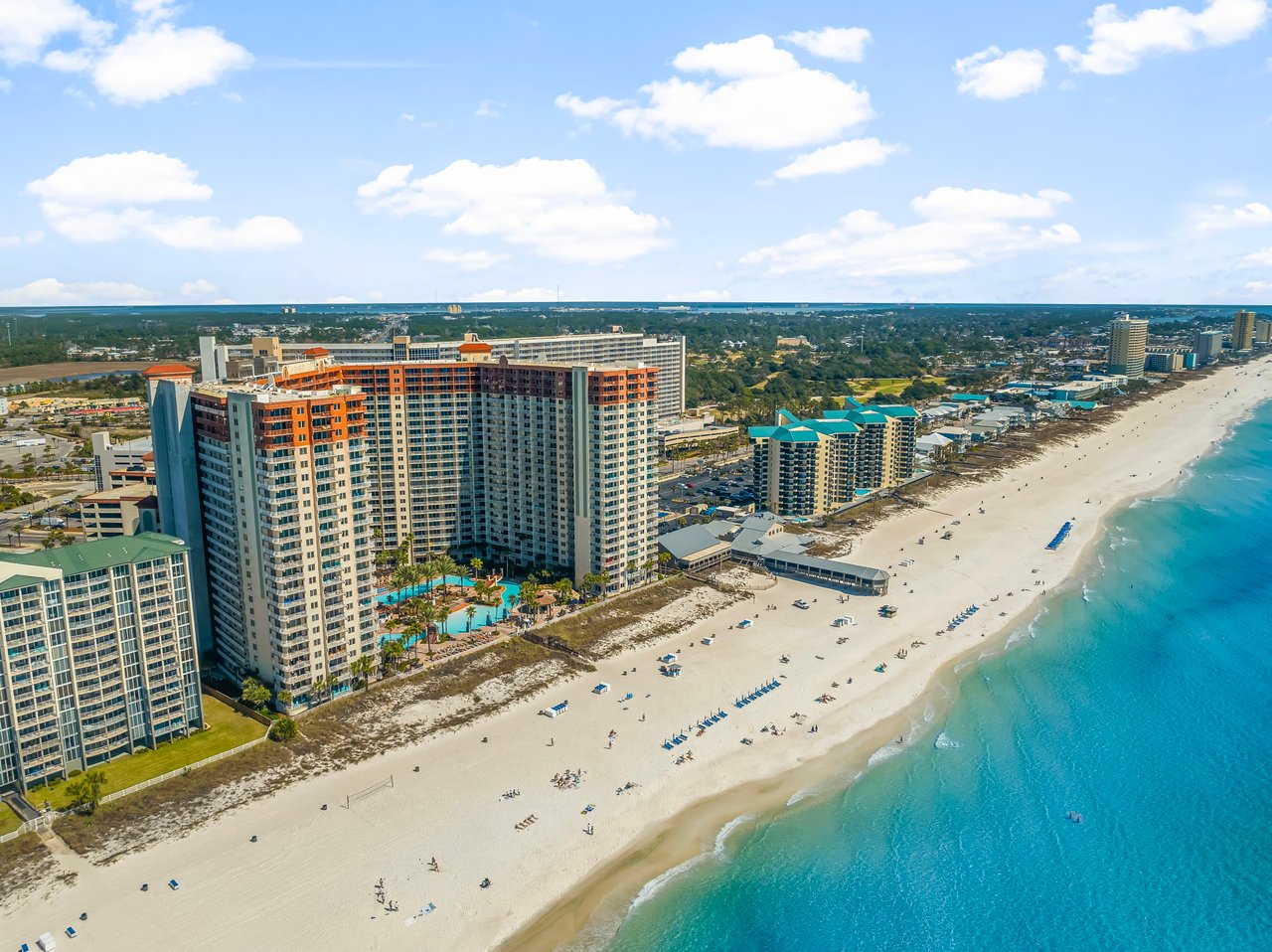
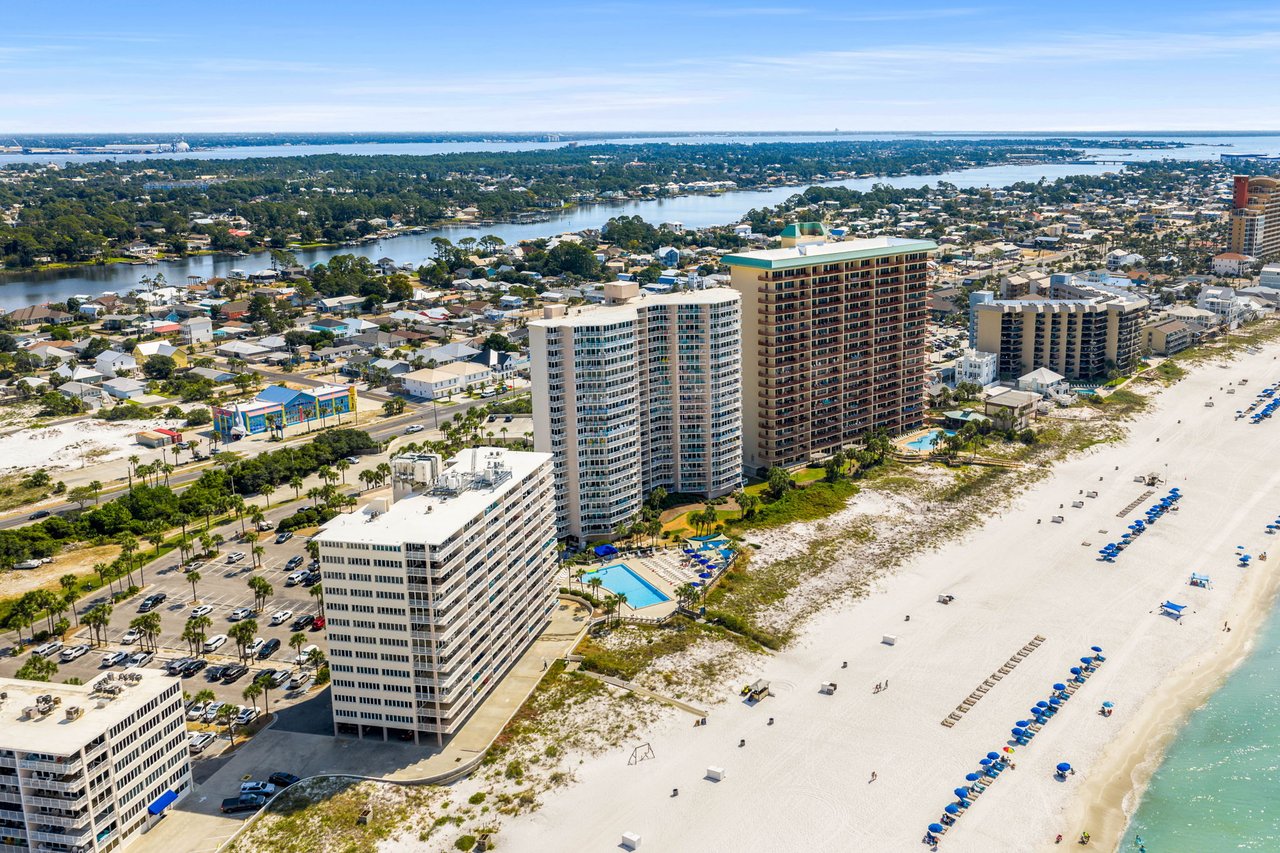
Beachfront condos can be attractive because of the view, beach access, amenities, and rental demand. But beachfront buildings can also come with higher insurance costs, higher HOA fees, maintenance concerns, elevator expenses, parking issues, and possible special assessments.
That does not mean buyers should avoid beachfront condos. It means they need to review the full picture.
If you are focused on Gulf-front buildings, start with the best beachfront condos for sale in Panama City Beach.
What Buyers Should Review Before Making an Offer
Before making an offer on a Panama City Beach condo, buyers should review:
- Whether short-term rentals are allowed
- Minimum rental periods
- Occupancy limits
- Pet policies
- Owner use rules
- HOA or COA fees
- Association documents
- Insurance coverage
- Reserve funding
- Special assessment history
- Building condition
- Parking rules
- Guest registration rules
- Amenity access
- Local short-term rental requirements
- DBPR licensing requirements
- Cleaning and maintenance logistics
- Management rules
- Resale potential
The goal is not just to buy a beach condo. The goal is to buy a condo that works for your lifestyle, budget, rental plan, and long-term ownership strategy.
Final Thoughts
Rental rules can absolutely make or break a Panama City Beach condo purchase.
Before you buy, make sure you understand:
- Whether short-term rentals are allowed
- Minimum rental periods
- Occupancy limits
- Pet policies
- Owner use rules
- HOA fees
- Association documents
- Practical day-to-day restrictions
The right condo is not just about the view. It is about whether the property actually works for your goals.
If you are looking at condos in Panama City Beach, taking the time to review the details before closing can save you from expensive mistakes later.
Not sure what to ask before choosing an agent? Read What Questions Should You Ask Before Hiring a Panama City Beach Realtor?.
If you want help comparing condo buildings, rental rules, HOA fees, and vacation rental potential, you can contact Roger Rietsema Realtor.
As co-owner of Emerald Beach Rentals, I also understand the vacation rental side of ownership, including guest expectations, cleaning, maintenance, owner communication, and property management. You can learn more about Panama City Beach vacation rental management and owner services.
Roger Rietsema Realtor
Allison James Estates & Homes
Panama City Beach & 30A Real Estate
850-596-5844
www.SellFL.net