By Roger Rietsema, Realtor® | Allison James Estates & Homes
Updated September 29, 2026
Panama City Beach condo buyers look for a property that fits how they will use it, with a price they can justify and ownership costs they understand. The view gets their attention. The floor plan, beach access, parking, association finances, building condition, and rental rules help determine whether they make an offer.
A full-time resident, a second-home buyer, and a vacation-rental investor can tour the same condo and reach different conclusions. If you are selling, the goal is to make your condo’s advantages clear and provide the documents buyers need to evaluate the tradeoffs.
Start with Panama City Beach beachfront condos and building guides, or search current homes and condos for sale.
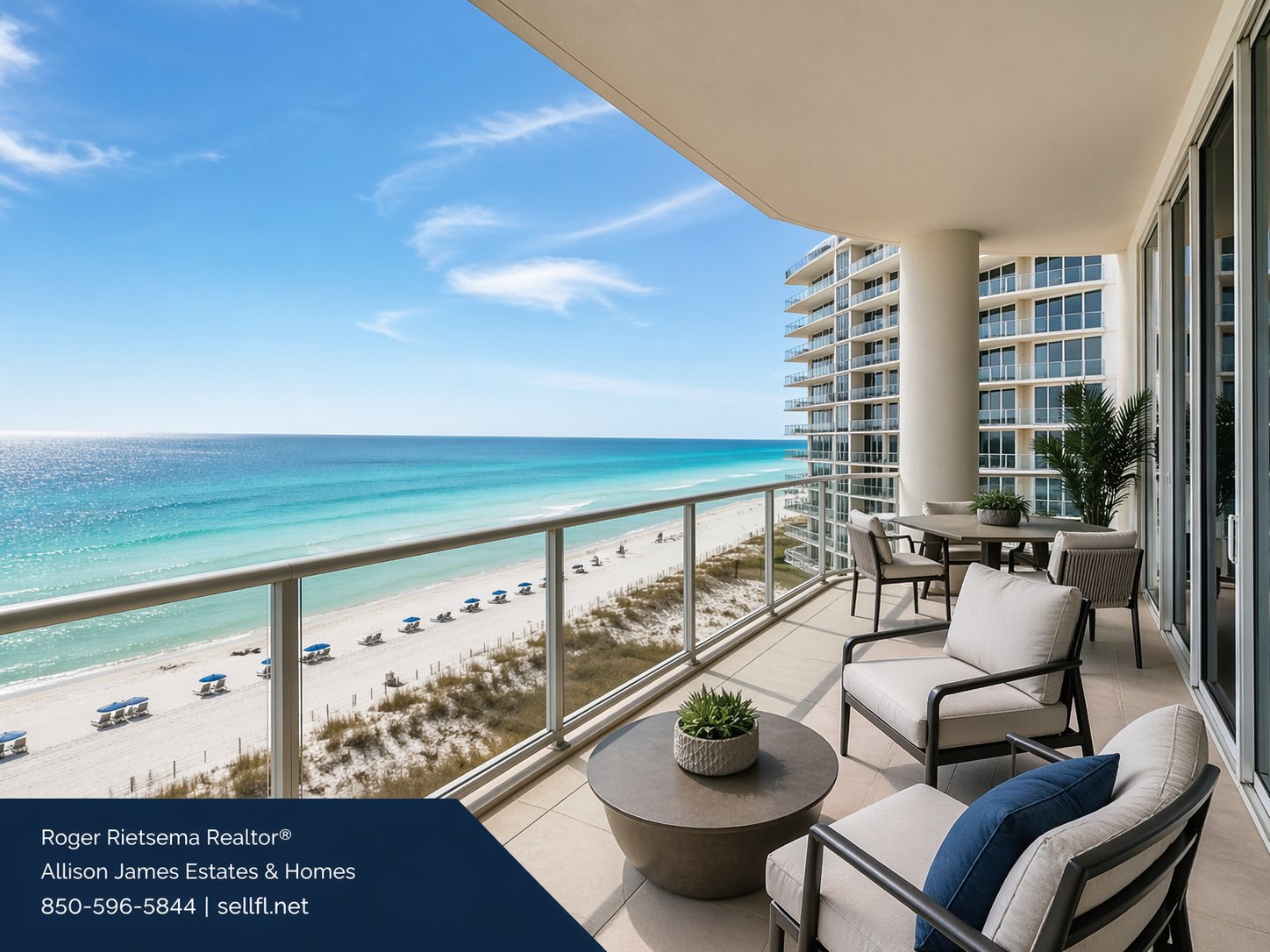
The condo buyer’s quick checklist
- A view and beach-access route that match the listing.
- A usable floor plan, comfortable bedrooms, enough bathrooms, and storage.
- A clear ownership budget, including dues, insurance, taxes, and assessments.
- Building records that explain maintenance, inspections, reserves, and planned work.
- Rental and owner-use rules that fit the buyer’s plans.
- Practical parking, elevators, amenities, and an acceptable noise level.
- A price supported by comparable properties and recent closed sales.
1. The actual view and the trip to the beach
“Gulf view” can mean a broad view from the living room or a narrow glimpse from one corner of the balcony. Buyers should look from the sofa, primary bedroom, and outdoor seating area. Floor height, balcony depth, neighboring buildings, and the direction the unit faces can change the experience.
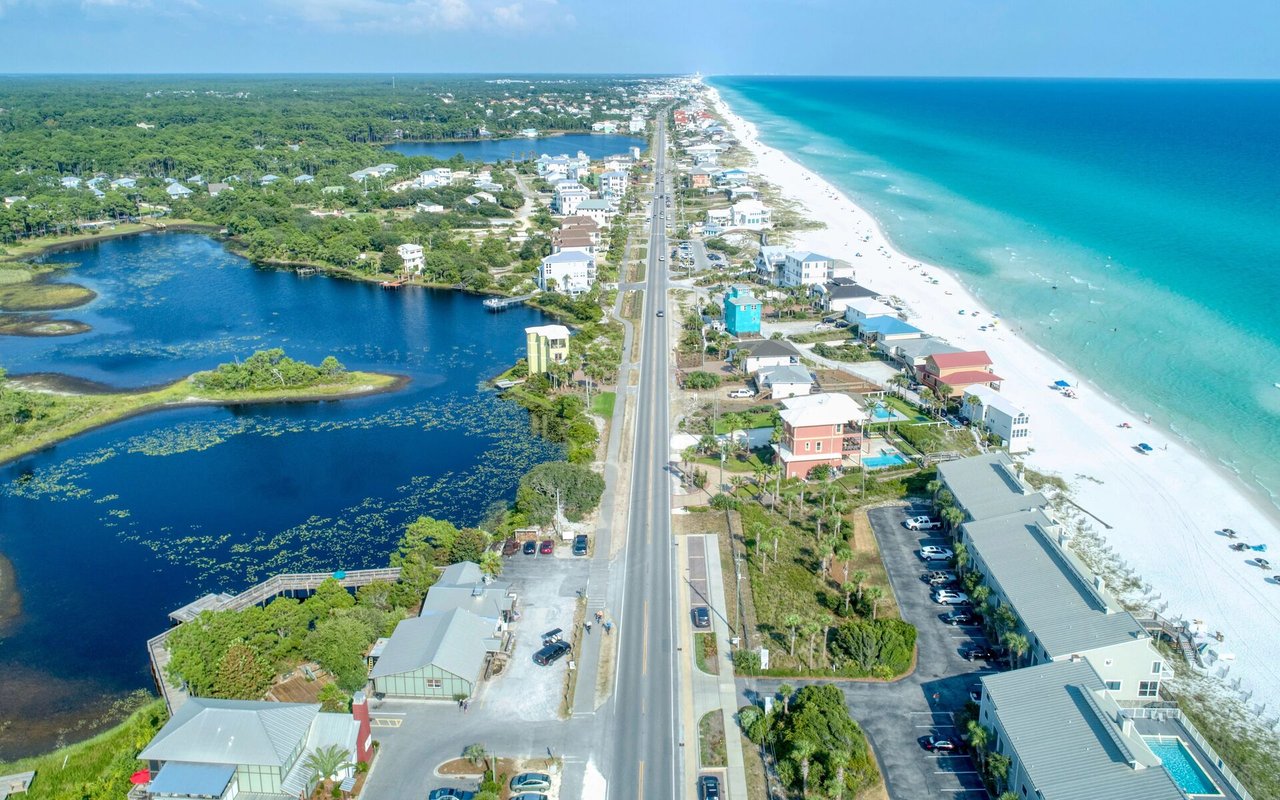
Walk the entire route from the unit to the sand. Check elevators, gates, stairs, road crossings, and the access rights attached to that property. A waterfront condo on the bay offers a different setting from a Gulf-front beach condo; waterfront does not automatically mean direct beach access.
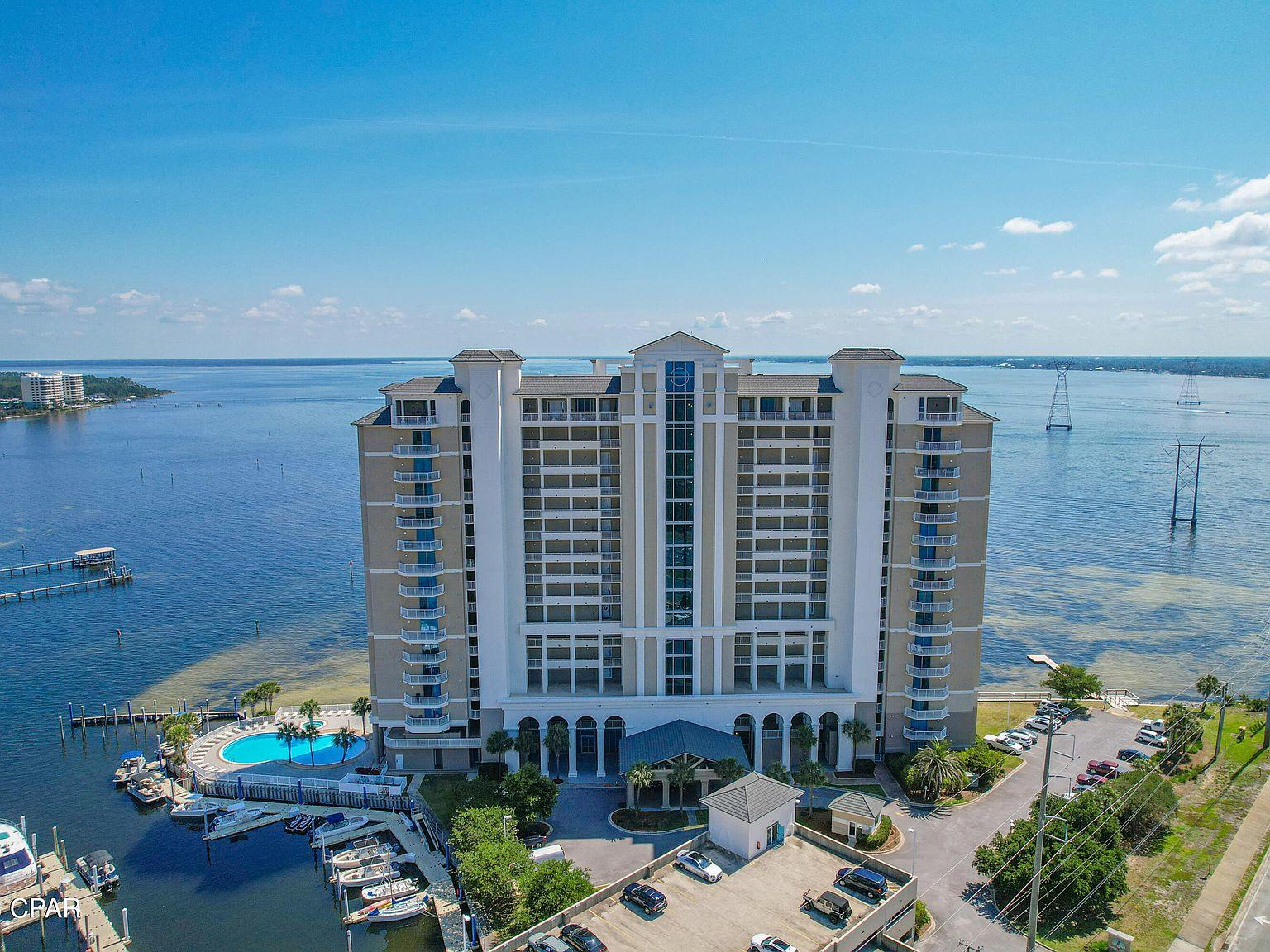
Marina Landing illustrates why buyers should distinguish bayfront living from a Gulf-front location with direct beach access.
2. A floor plan that works beyond the bedroom count
Check whether everyone can sit in the living room and eat comfortably, whether bathrooms are convenient to sleeping areas, and where luggage, beach chairs, and everyday supplies will go. An extra bathroom may solve a problem that more advertised sleeping spaces do not.
A bunk area can be useful, but it is not automatically a legal bedroom. Buyers should verify the advertised bedroom count and permitted occupancy. Laundry access, closets, owner storage, and the condition of the HVAC, appliances, windows, and sliding doors also deserve attention.
For sellers, fix obvious maintenance issues before spending heavily on decorative upgrades. Clean glass, working doors, good lighting, and an accurate furniture inventory make it easier to understand what is included.
3. The full monthly cost, not just the asking price
Compare the mortgage payment, association dues, property taxes, unit-owner insurance, utilities, maintenance, and any separate parking or amenity charges. Ask what the dues actually cover. A lower fee is not automatically better if important expenses are billed separately or future repairs are underfunded.
Request the current budget, available financial statements, reserve information, recent board minutes, and details of approved or proposed assessments. Understand the payment schedule and clarify in the contract who is responsible for any assessment. Read the PCB condo HOA fee guide for questions to ask before comparing buildings.
Have an insurance professional review the association’s master policy and the coverage needed for your unit and intended use. Ask about deductibles, exclusions, loss-assessment coverage, and any flood or wind coverage needs. Obtain property-specific estimates rather than carrying the seller’s insurance or tax bill into your budget unchanged.
4. Building condition, reserves, and financing
A renovated kitchen does not tell you the condition of the building. Buyers should ask about concrete and balcony repairs, roofs, elevators, water intrusion, and planned projects. Request applicable milestone inspection and Structural Integrity Reserve Study (SIRS) reports, then ask what work and funding remain outstanding.
A milestone inspection concerns structural condition; a SIRS helps an association plan reserve funding for specified building components. Neither replaces a unit inspection or a review of the association’s current financial position. See our PCB milestone and SIRS guide and Florida DBPR’s official inspection resources for more detail.
Financing also depends on the condominium project, not only the borrower. Have your lender review the building early, especially if its use or operation raises condotel or other eligibility questions. Fannie Mae’s condo buyer guidance explains why building condition, finances, insurance, and other project issues matter to the loan review.
5. Rental flexibility and realistic income
If renting is part of the plan, verify the current association documents and applicable state and local requirements for that exact property. Check minimum stays, guest registration, occupancy, pets, management restrictions, and owner-use arrangements. Owner pet privileges and rental-guest pet privileges may differ.
Ask for actual rental statements when available, including the period covered and the owner’s personal-use dates. Separate lodging revenue from taxes and guest fees, then account for management, cleaning, utilities, repairs, supplies, platform charges, vacancy, and financing. A projection is an estimate, and past revenue does not promise future results.
Use the guide to renting out a PCB condo for a closer review. For help evaluating day-to-day rental operations, visit Emerald Beach Rentals property management. I am a co-owner of Emerald Beach Rentals as well as a Realtor, so I consider the practical work involved in operating the property.
6. Parking, elevators, amenities, and daily convenience
Walk from the parking space to the unit carrying the things you would normally bring. Confirm whether parking is deeded, assigned, or shared; how many vehicles are permitted; and whether guest passes, oversized vehicles, or seasonal restrictions create extra costs or inconvenience.
Ask about elevator maintenance and planned outages. When possible, visit during a busy arrival period and again in the evening to assess waits and noise. Pools, fitness rooms, and other amenities should fit your priorities, with their operating rules and maintenance costs understood.
Compare locations as well as buildings. Your shortlist might include Calypso Resort & Towers, Tidewater Beach Resort, and Shores of Panama. Review the exact tower and unit, then check current fees, rules, and available listings.
What luxury condo buyers should compare
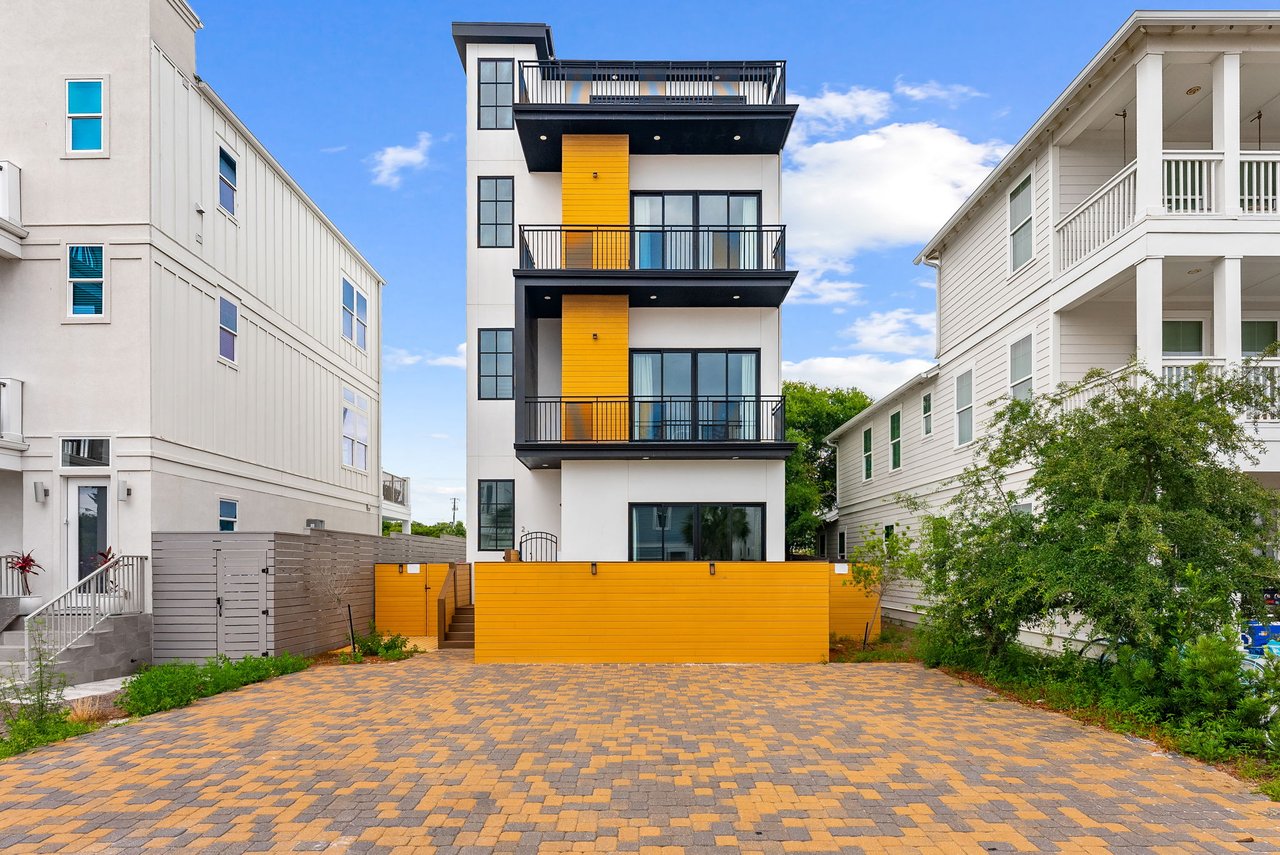
When comparing luxury condos in Panama City Beach, look closely at privacy, the quality of the view, usable outdoor space, finishes, storage, sound transfer, parking, and building upkeep. A higher asking price or a designer kitchen does not establish the quality of the whole ownership experience.

Palazzo in Panama City Beach. Compare the specific unit’s view, floor plan, balcony, parking arrangements, and association records before judging value.
If you are deciding between a PCB condo and a luxury home along 30A, compare the different maintenance responsibilities, privacy, association costs, beach-access rights, and rental rules. Explore 30A homes for sale, Seaside real estate, and Seacrest Beach homes. Confirm a property’s actual community boundaries and access rights; a nearby address does not necessarily include the amenities associated with a neighborhood name.
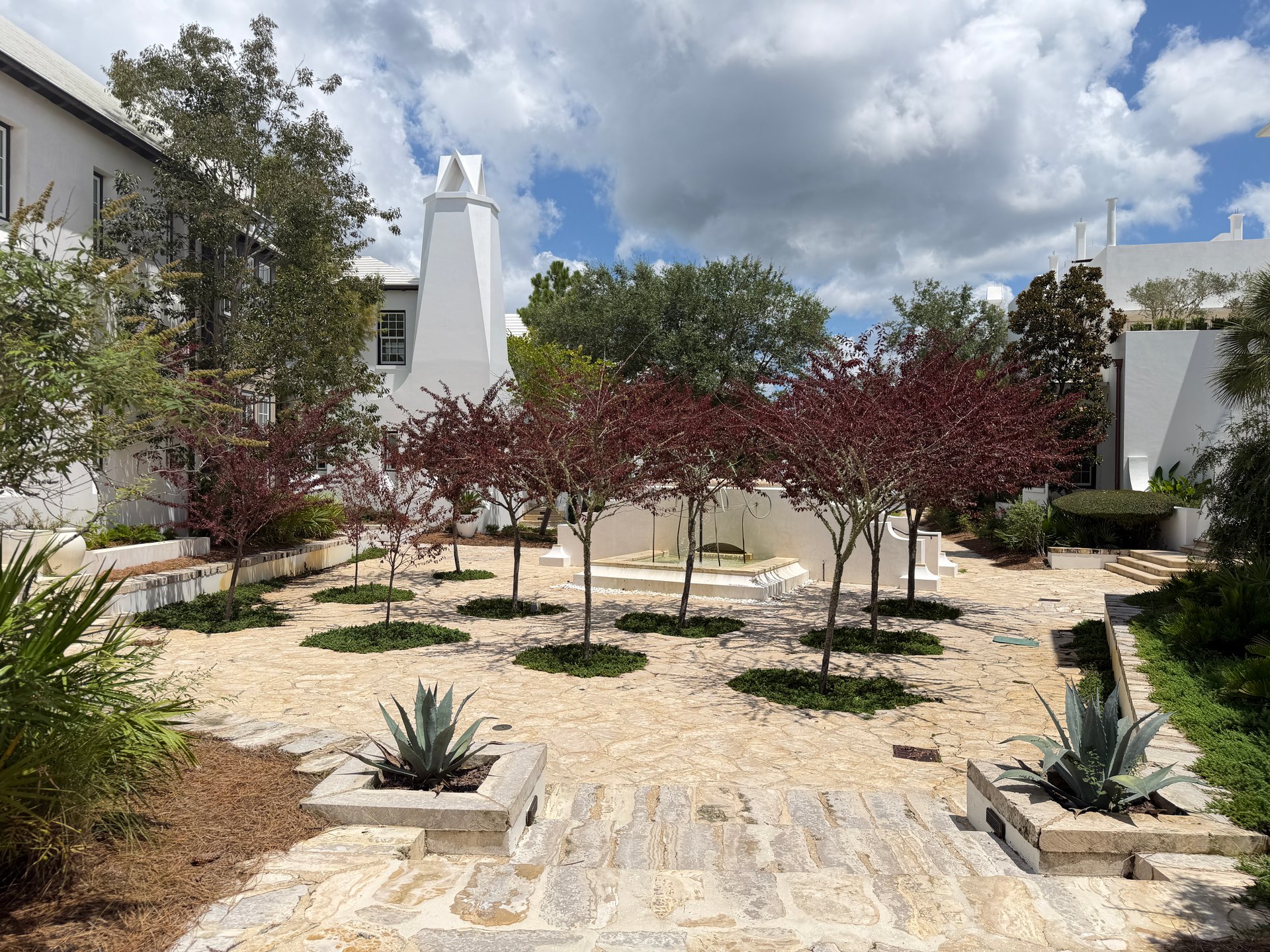
What sellers can do before listing
Make it easy for a buyer to connect the asking price with the property’s condition, location, and costs. Start with recent closed sales and current competition in the building, then account for differences in stack, floor, view, layout, upgrades, parking, and assessments.
- Prepare an organized document packet with dues, association contacts, available inspection and reserve reports, assessment information, and rental rules.
- Gather repair records, equipment ages, an inventory of included furnishings, and documented rental history if applicable.
- Use accurate photos of the actual unit, its view, balcony, building, and access route.
- Address inexpensive maintenance problems and price larger unresolved issues realistically.
- Arrange showing access around reservations and provide clear instructions for parking and entry.
Before committing to a major renovation, request a personal condo pricing review. The likely buyer and competing listings should guide the preparation budget.
Frequently asked questions about buying a PCB condo
What matters most before making an offer?
Start with permitted use, total ownership costs, building condition, and the unit’s fit for your needs. Then compare its price with similar closed sales and current alternatives. Resolve important document, inspection, and financing questions within the applicable contract deadlines.
Are higher floors always worth more?
No. View, balcony use, floor plan, elevator access, and personal preferences all matter. Compare similar units in the same building and, when possible, the same stack. Do not assume a fixed premium for every additional floor.
Is a low HOA fee a good sign?
Only after reviewing what it includes and how the association funds maintenance and reserves. Compare the full ownership budget and upcoming work, not the dues alone.
Can I rent out any Panama City Beach condo?
No. Permitted rental use depends on the exact property, governing documents, and applicable regulations. Obtain current rules and verify the requirements for your planned rental use before relying on income estimates.
Does mortgage preapproval mean the condo is approved?
No. Borrower preapproval and condominium-project eligibility are separate parts of financing. Ask your lender to review the specific building and loan program early.
Does the association’s insurance cover everything?
Do not assume it does. Have an insurance professional explain the master policy, your unit’s coverage needs, deductibles, and exclusions for the way you plan to use the property.
What should I check about parking and pets?
Confirm space ownership or assignment, vehicle limits, guest passes, and fees. Read separate owner and guest pet policies, including any restrictions, instead of relying on a listing’s general “pet-friendly” label.
Should I choose a luxury condo in PCB or a home on 30A?
Compare the specific properties against your priorities: privacy, maintenance, beach access, parking, amenities, permitted rentals, and the full budget. There is no single answer for every buyer; the right fit depends on how you will use the property.
Plan your condo search with Roger
Tell me your budget, preferred location, must-have features, and whether this will be a primary home, second home, or rental investment. I can help you narrow the buildings and compare the tradeoffs before you make an offer.
Roger Rietsema, Realtor® | Allison James Estates & Homes
Ask about a condo or arrange a showing | Call 850-596-5844
Keep up with the local market: Sign up for the PCB & 30A newsletter for listings, condo and HOA insights, and market updates.
Visiting to tour properties? Browse Emerald Beach Rentals for local stays, or consider Barefoot Paradise PCB, a dog-friendly private beach house on the west end. Check availability, pet approval, and current property rules before booking.
Property availability, association policies, insurance, financing, fees, and regulations can change. Verify property-specific details with the association, lender, insurance professional, and appropriate local or state authority. This guide is general information and does not replace professional legal, tax, insurance, or lending advice.