Moving to Panama City Beach This Summer? What Buyers and Sellers Need to Know
Thinking about moving to Panama City Beach this summer? The idea sounds simple: find a beach home, sell your current place, buy a condo near the Gulf, or make a move before school starts. But in Panama City Beach and along 30A, summer real estate decisions need a little more homework than a normal inland move.
This area is not one-size-fits-all. A beachfront condo near Pier Park, a second home on the west end, a primary residence in Breakfast Point, a rental-friendly house near Thomas Drive, and a luxury property in Rosemary Beach or Alys Beach can all come with very different rules, costs, insurance questions, HOA documents, rental restrictions, and resale factors.
If you are buying, selling, investing, or moving your family to the beach this summer, the goal is not to rush into the prettiest property online. The goal is to understand the full picture before you make a decision.
Quick Answer
Yes, summer can be a good time to move to Panama City Beach, but buyers and sellers need to compare more than price. Buyers should review insurance, flood zones, HOA or condo rules, rental restrictions, property condition, parking, beach access, and total ownership costs. Sellers should prepare pricing, photos, repairs, rental history, condo documents, and showing access before listing. Vacation rental owners should also understand transfer rules, future bookings, management agreements, and whether the property is truly positioned for today’s buyer demand.
Roger Rietsema, Realtor® with Allison James Estates & Homes, helps buyers, sellers, and investors compare Panama City Beach and 30A real estate with a practical local eye. That includes beachfront condos, second homes, primary residences, luxury properties, vacation rental opportunities, HOA rules, insurance questions, and the local details that can change the decision.
Search current Panama City Beach and 30A homes and condos or request a local property value review before you make your next move.
Why Summer Moves Are Different in Panama City Beach
Summer is busy in Panama City Beach. The beaches are active, condos are full, restaurants are packed, and many buyers start looking while they are already in town on vacation. That can create opportunity, but it can also create pressure.
Some buyers fall in love with the lifestyle first and ask the hard ownership questions later. That is backwards. The property may look great in photos, but before you buy, you need to know whether the building allows short-term rentals, what the HOA fees include, whether there are pending assessments, how insurance is handled, whether the flood zone affects costs, how parking works, and what the true net rental potential looks like after expenses.
For sellers, summer traffic can help visibility, but only if the property is priced correctly and easy to show. If the home or condo is blocked with vacation rental bookings, cluttered from guest turnover, or priced above current market reality, summer activity alone will not save the listing.
Who This Guide Is For
This guide is written for several types of Panama City Beach and 30A real estate clients:
- Buyers relocating to Panama City Beach full-time.
- Second-home buyers looking for a beach property they can use personally.
- Condo buyers comparing beachfront buildings, HOA fees, rental rules, and amenities.
- Vacation rental investors looking at income potential and ownership costs.
- Sellers trying to decide whether summer is the right time to list.
- Current vacation rental owners considering whether to sell, hold, upgrade, or change management.
The advice is the same for all of them: do not make a decision based only on emotion, online estimates, or gross rental projections. Panama City Beach and 30A reward buyers and sellers who understand the details.
Best Panama City Beach Areas to Consider This Summer
Panama City Beach has very different pockets. The right area depends on whether you want a primary home, rental property, beachfront condo, luxury home, quiet west-end location, golf course community, or something closer to restaurants and attractions.
West End Panama City Beach
The west end is popular with buyers who want a quieter beach feel while still staying close to Pier Park, 30A, and the beach. Areas like Laguna Beach, Sunnyside, Carillon Beach, and the far west end appeal to second-home buyers, vacation rental owners, and people who want less of the central PCB traffic feel.
Buyers should still verify rental rules, flood zones, insurance, beach access, and whether the property is inside Panama City Beach city limits, Bay County, or a specific HOA community.
Pier Park and Front Beach Road
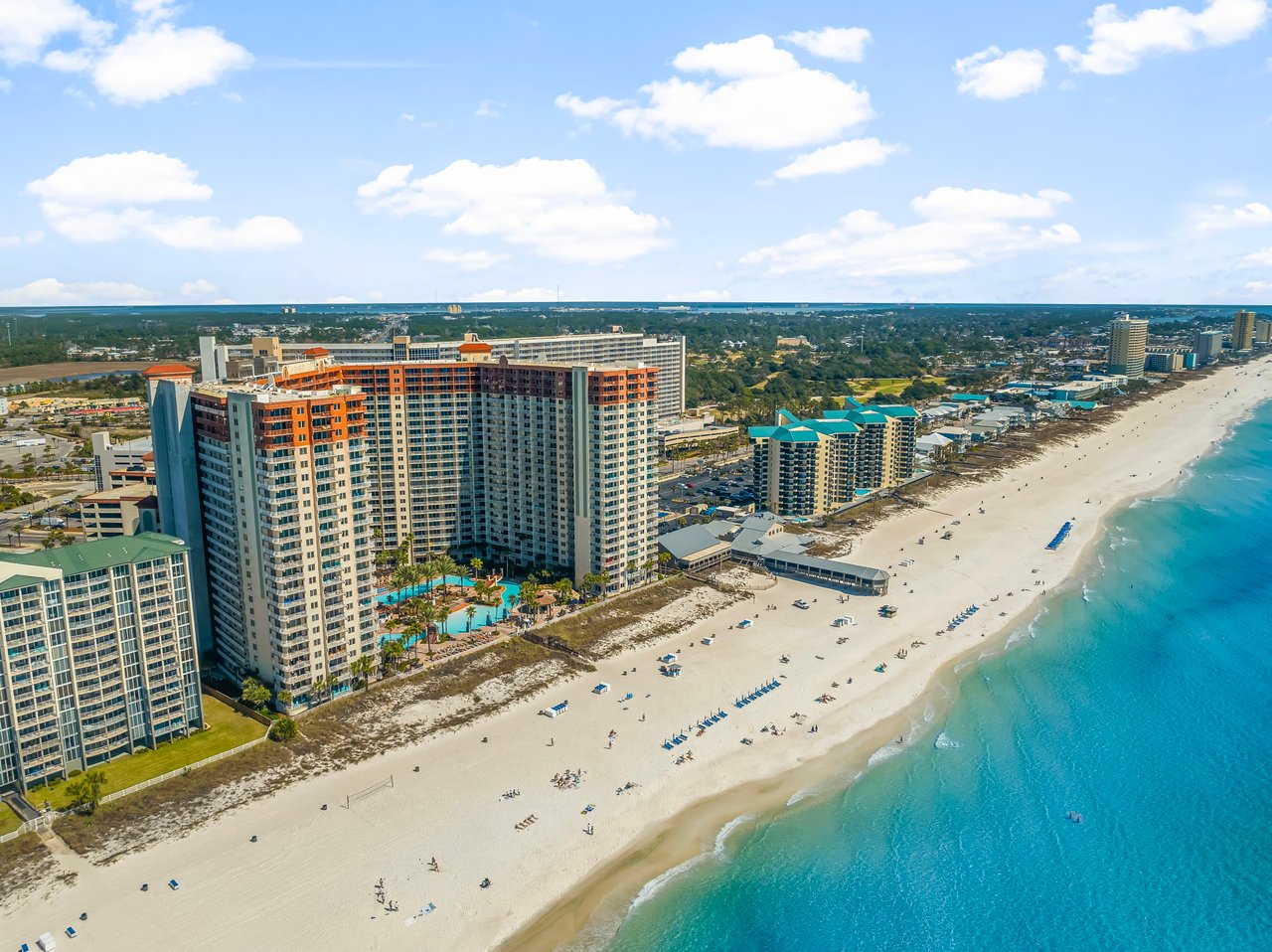
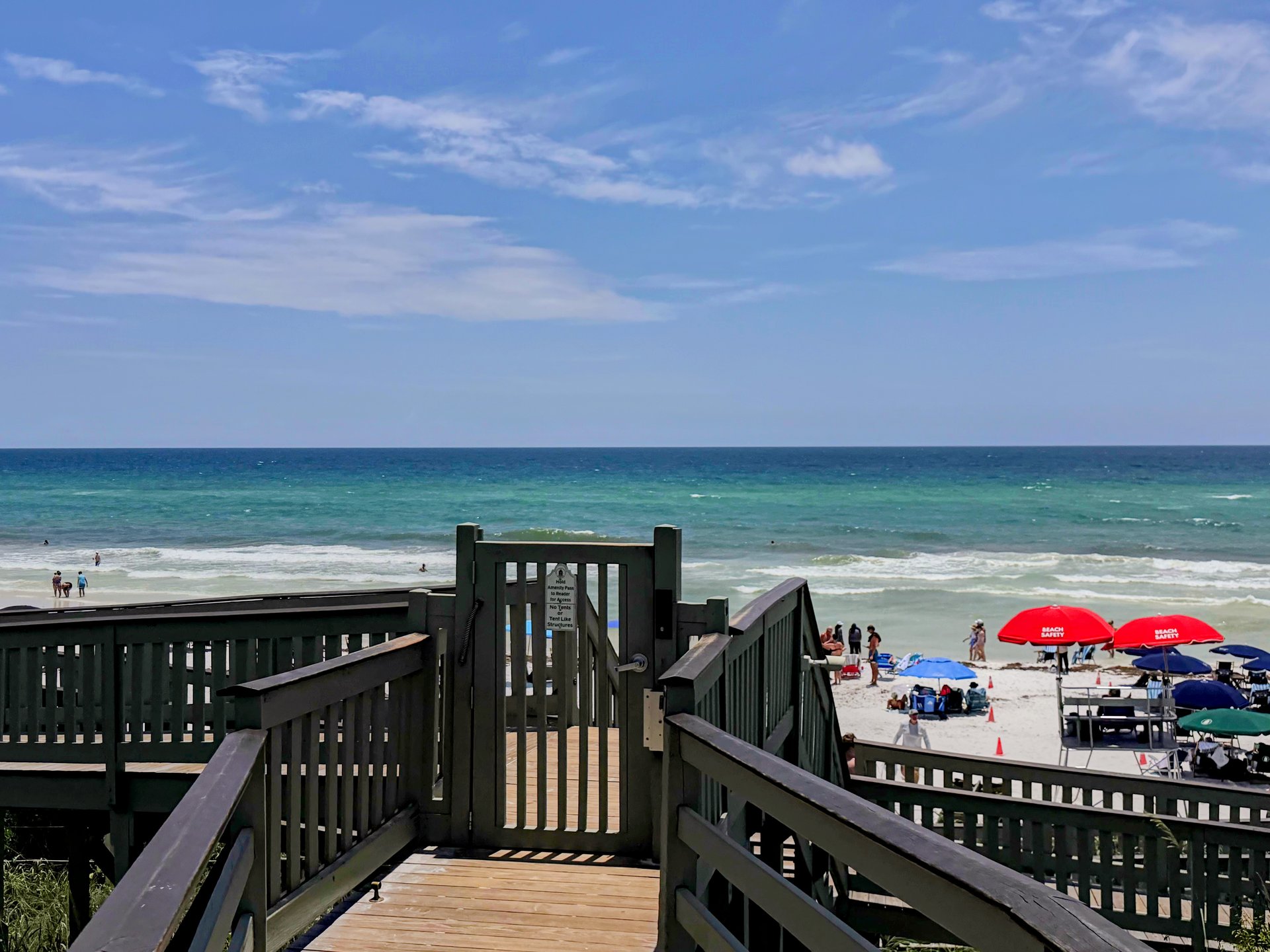
The Pier Park area is one of the strongest lifestyle and vacation zones in Panama City Beach. Buyers like it because of beach access, restaurants, shopping, entertainment, and resort-style condo buildings.
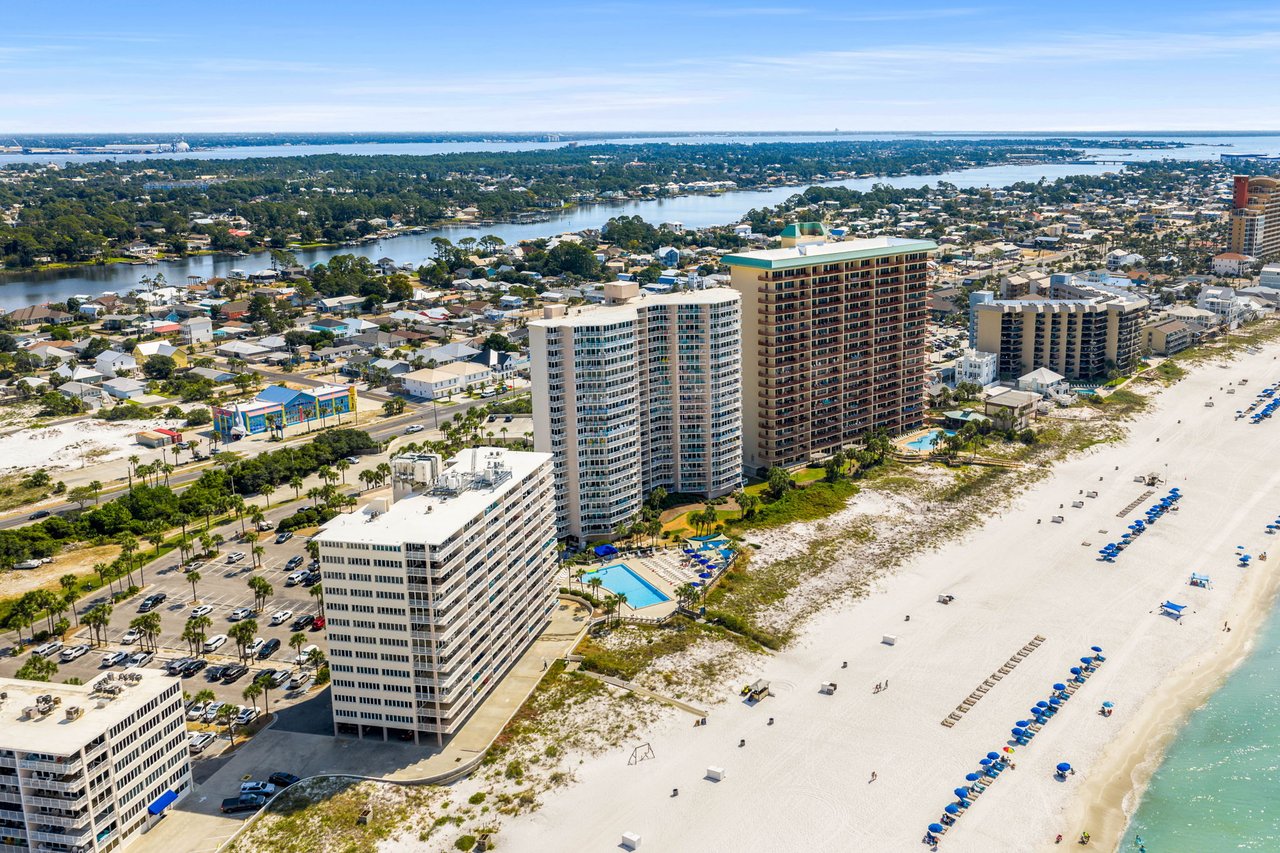
This area is especially important for condo buyers comparing buildings like Calypso, Tidewater, Aqua, Emerald Beach Resort, Splash, Celadon, Palazzo, Sunrise Beach, and other west-end or central beach buildings. The building matters as much as the unit. HOA fees, amenities, elevators, parking, rental rules, insurance, reserves, and special assessments can change the deal quickly.
Related guide: Panama City Beach investment condos for sale.
Thomas Drive and Lower Grand Lagoon
Thomas Drive and Lower Grand Lagoon appeal to buyers who want beach access, boating, restaurants, marinas, and a slightly different feel from the west end. This area can work for primary homes, condos, townhomes, vacation rentals, and investment properties.
Buyers often compare buildings and communities such as En Soleil, Treasure Island, Dunes of Panama, Seychelles, The Commodore, and other Thomas Drive-area condos. The questions are simple but important: What are the rental rules? How strong is the building? What does the HOA cover? Is there enough parking? Are there pending assessments? How close is the beach access?
Breakfast Point and Palmetto Trace
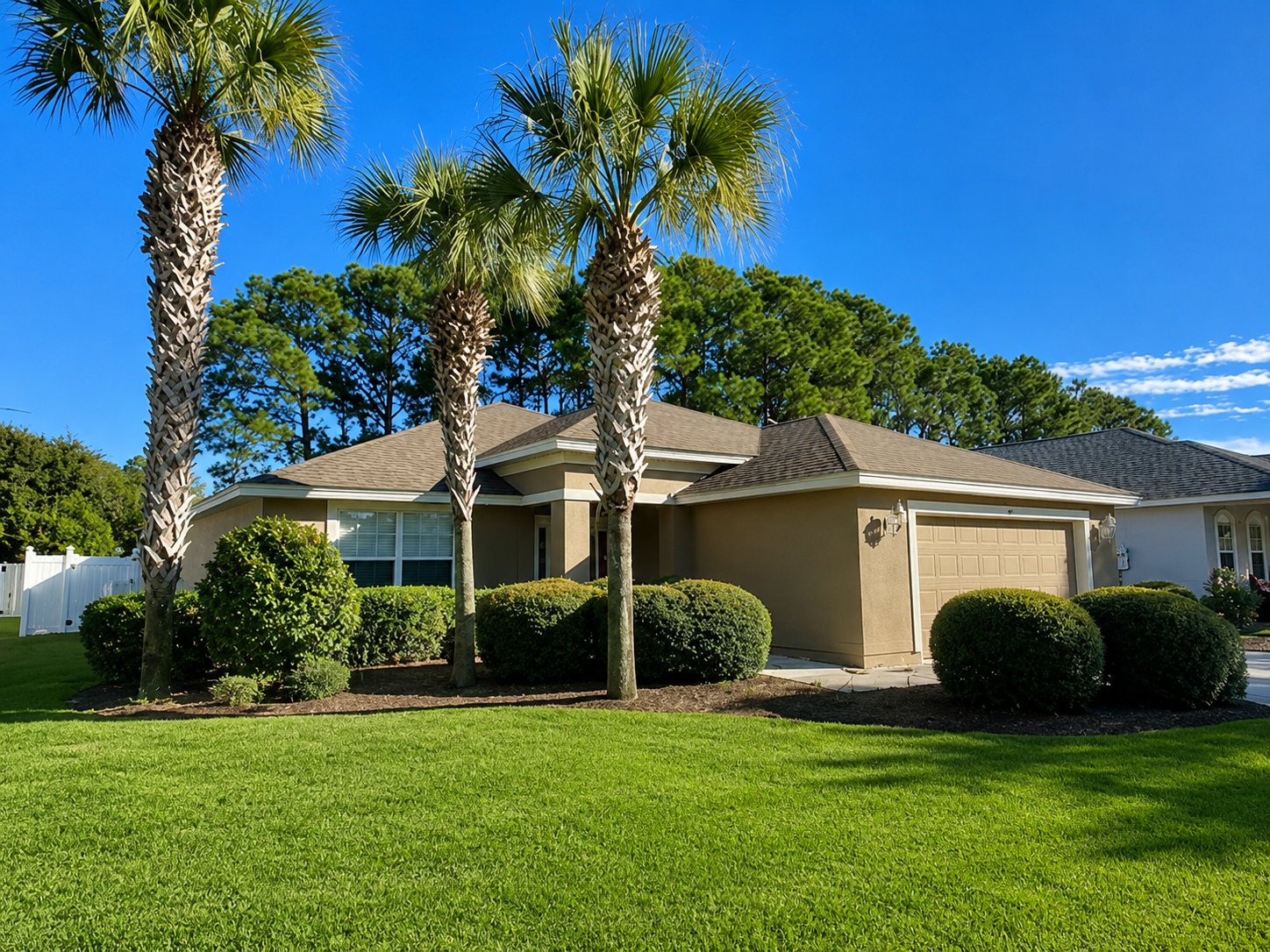
For people moving to Panama City Beach full-time, areas like Breakfast Point and Palmetto Trace can be a better fit than a beachfront condo. These communities are often considered by buyers who want neighborhood living, garages, yards, schools, shopping access, and less turnover than a resort building.
If you are moving with family, working remotely, or planning to live here year-round, do not only look at the beach. Compare daily lifestyle: groceries, schools, traffic, medical access, parking, commute patterns, insurance, HOA fees, and how the home functions outside of vacation mode.
Bay Point and Golf Course Communities
Bay Point and other golf or gated communities can appeal to buyers looking for boating, golf, security, larger homes, and a quieter residential feel. These properties can be attractive, but buyers should review HOA documents, insurance costs, storm history, marina access, membership details, and renovation needs.
Carillon Beach and Luxury West-End Communities
Carillon Beach is one of the more distinctive west-end communities near the Bay County and Walton County line. Buyers often compare it with parts of 30A because of the architecture, community planning, beach access, and second-home appeal.
Luxury and second-home buyers should look carefully at beach access, rental rules, HOA rules, insurance, design review requirements, and whether the property fits personal use, rental use, or long-term ownership.
30A Areas to Compare Before You Decide
Many summer buyers start in Panama City Beach and then compare 30A. That is smart, but the comparison needs to be realistic. 30A is not one market. It is a collection of beach communities with different pricing, architecture, rental demand, beach access, traffic patterns, HOA rules, and ownership costs.
Visit South Walton recognizes 16 beach neighborhoods across South Walton, including Miramar Beach, Dune Allen, Gulf Place, Santa Rosa Beach, Blue Mountain Beach, Grayton Beach, WaterColor, Seaside, Seagrove, WaterSound, Seacrest, Alys Beach, Rosemary Beach, and Inlet Beach.
Inlet Beach
Inlet Beach is popular with buyers who want proximity to 30A, Rosemary Beach, Alys Beach, Camp Helen State Park, and the east end of Scenic Highway 30A. It can be a strong fit for second homes, luxury homes, and rental properties, but buyers need to verify beach access, rental rules, Walton County requirements, and any neighborhood restrictions.
Rosemary Beach
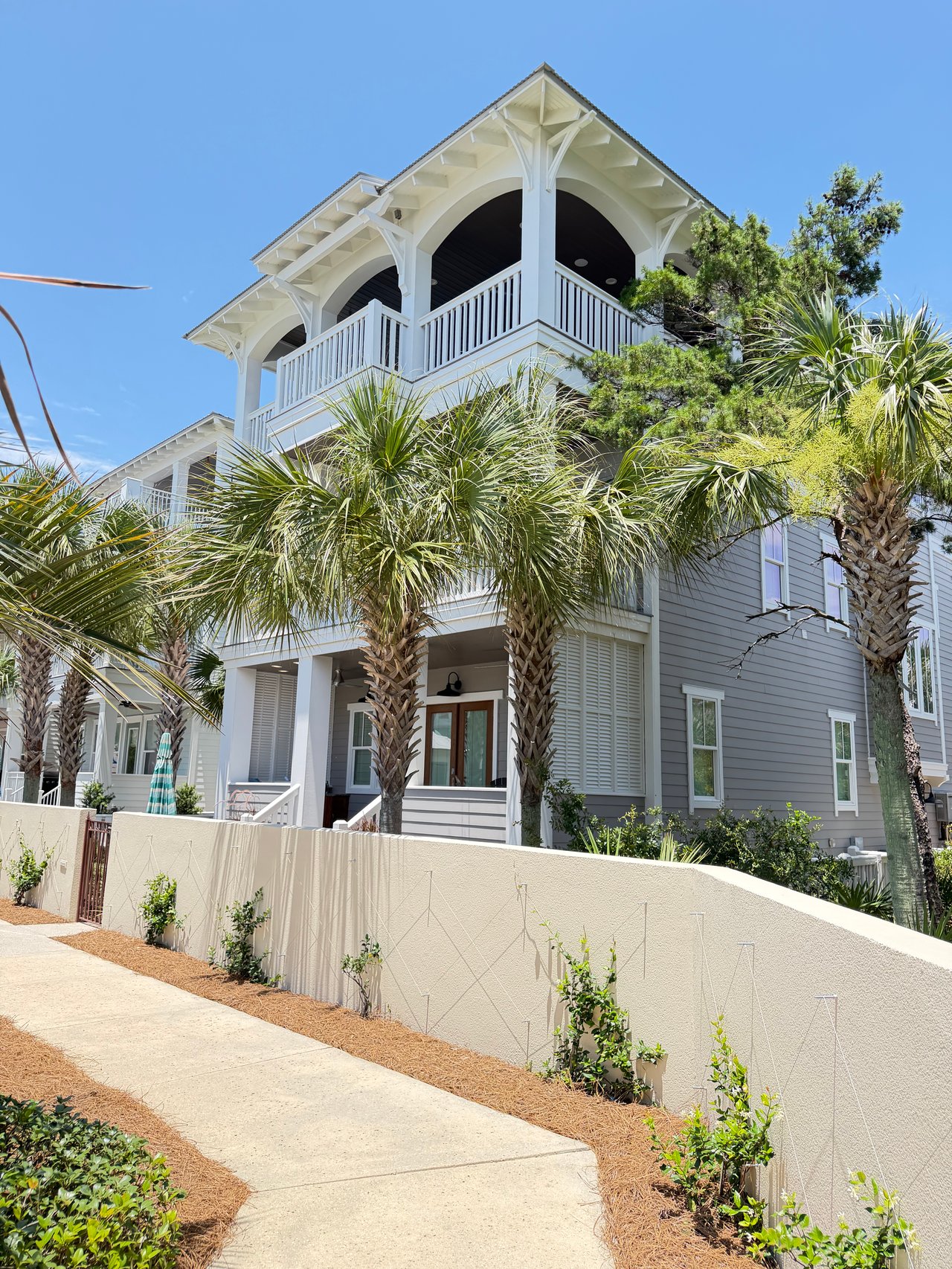
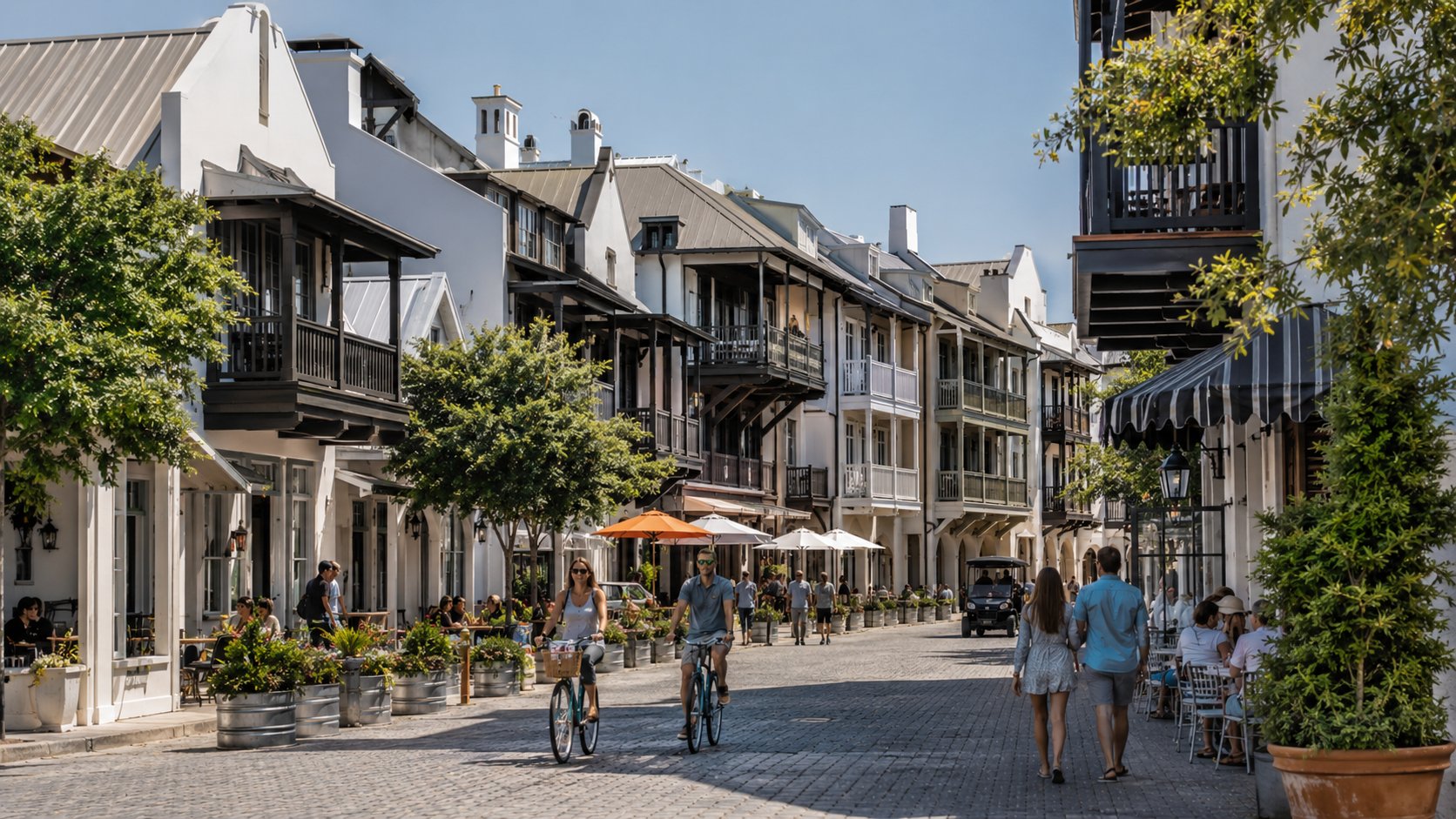
Rosemary Beach is one of the best-known luxury communities on 30A. Buyers are often attracted to the walkability, architecture, restaurants, beach access, and established brand recognition. The pricing can be high, and buyers need to pay close attention to HOA rules, design controls, rental history, parking, and true availability.
Related guide: Rosemary Beach neighborhood guide.
Alys Beach
Alys Beach is a luxury 30A market with a very specific architectural identity. It attracts buyers looking for high-end design, privacy, strong community identity, and long-term ownership value. It is not a casual purchase. Buyers should understand architectural controls, community rules, pricing, construction standards, and carrying costs before making a move.
Related guide: Alys Beach neighborhood guide.
Seacrest Beach
Seacrest can appeal to buyers who want a 30A location near Rosemary and Alys without necessarily being directly inside either community. Buyers often focus on rental potential, tram access, lagoon pool access, beach access, and proximity to restaurants and shops. The details matter because access, chairs, parking, and rental performance can vary by property.
Related guide: Seacrest neighborhood guide.
Seagrove, Seaside, WaterColor, Grayton, Blue Mountain, Gulf Place, and Dune Allen
These 30A communities each have a different feel. Seagrove can offer classic beach homes and condo options. Seaside and WaterColor are highly recognized planned communities. Grayton has a more old-Florida personality. Blue Mountain, Gulf Place, and Dune Allen can appeal to buyers looking farther west with access to restaurants, beach, and quieter residential pockets.
For a broader east-end 30A search, start here: 30A East homes and real estate guide.
What Buyers Need to Know Before Moving This Summer
1. Your Budget Is More Than the Purchase Price
In Panama City Beach and 30A, the purchase price is only the beginning. Buyers should budget for closing costs, insurance, flood insurance if needed, HOA or COA fees, property taxes, inspections, repairs, furnishings, rental setup, maintenance, and reserves.
For condos, compare what the monthly fee actually covers. A higher HOA fee may include insurance, cable, internet, water, trash, security, pools, elevators, exterior maintenance, and reserves. A lower fee may not be better if it leaves more costs outside the monthly number.
2. Insurance Needs to Be Checked Early
Do not wait until the end of the contract to ask about insurance. Coastal property insurance can affect your monthly cost, financing, and comfort level. Buyers should ask for insurance estimates early, especially on older homes, beachfront condos, properties in flood zones, and homes with older roofs.
For condos, confirm what the association policy covers and what the owner is responsible for separately. For homes, review wind, flood, homeowners, roof age, elevation, and potential mitigation credits with a qualified insurance professional.
3. Flood Zones Matter
Flood zone information can affect insurance, financing, resale, and long-term ownership. Some buyers see “beach property” and assume everything is the same. It is not. A property’s elevation, flood designation, construction type, and location can change the risk and cost profile.
Helpful resource: Bay County FEMA Flood Zones Map.
4. Short-Term Rental Rules Are Not the Same Everywhere
This is one of the biggest mistakes buyers make. Not every condo, home, neighborhood, or city area allows the same rental use. Some buildings allow nightly rentals. Some have minimum stay rules. Some neighborhoods restrict rentals. Some properties require local registration, DBPR licensing, tax registration, business tax receipts, inspections, or HOA approval.
For Panama City Beach city limits, review the official short-term rental information here: Panama City Beach short-term rental rules.
For Florida vacation rental licensing information, review DBPR guidance here: Florida DBPR vacation rental license guidance.
5. Gross Rental Income Is Not Net Income
If you are buying a vacation rental property, do not rely only on projected gross income. Gross rental income does not show the full story. You need to estimate management fees, cleaning, maintenance, supplies, insurance, HOA fees, utilities, platform fees, credit card fees, repairs, taxes, owner stays, vacancy, furnishing replacement, and reserves.
A condo that shows impressive gross revenue may still produce weaker net income if the HOA fee is high, insurance is expensive, repairs are constant, or the rental calendar is overly dependent on peak summer weeks.
6. The Building Matters as Much as the Unit
In a beachfront condo building, a renovated unit can still be a risky purchase if the building has major upcoming repairs, weak reserves, elevator issues, poor parking, rental rule changes, or large assessments. Before buying, review the condo documents, budget, meeting minutes, insurance information, rental rules, reserve study if available, and any known upcoming projects.
Related resource: Panama City Beach and 30A Buyer FAQ.
7. Summer Traffic Can Distort Your Impression
Summer shows you the busiest version of Panama City Beach. That is useful if you are buying a rental property, because you can see guest demand, parking pressure, restaurant traffic, and beach activity. But if you are moving here full-time, you should also think about the off-season lifestyle.
Ask yourself: Do I like this area in January? Is it too tourist-heavy for full-time living? How long does it take to get groceries? Where will guests park? Is the building quiet enough? Is the beach access practical? Do I want to be in the middle of the action or a little removed from it?
What Sellers Need to Know Before Listing This Summer
1. Pricing Has to Match Today’s Market
The biggest seller mistake is pricing based on old expectations. The market changes. Buyer demand, interest rates, inventory, insurance costs, HOA fees, and rental performance all affect what buyers are willing to pay.
If your property is priced too high, it may sit while better-priced competition gets the showings. That is especially true for condos where buyers can compare similar units in the same building very quickly.
Start here if you want a local value review: Panama City Beach and 30A home value estimate.
2. Rental History Helps, But Only If It Is Clear
If your property has been used as a vacation rental, gather the rental history before listing. Buyers will want to see gross revenue, owner usage, booking pace, expenses if available, management structure, and whether future bookings can transfer.
Do not overstate income. Serious buyers will ask hard questions, and lenders, insurance, management agreements, and HOA rules can all affect the final decision.
3. Condo Documents Matter
If you are selling a condo, get organized early. Buyers may ask about HOA fees, rental rules, insurance, assessments, reserves, parking, pet rules, renovation rules, and building projects. A seller who has those answers ready looks more credible and reduces delays.
4. Photos Need to Sell the Lifestyle and the Details
Summer is visual. Buyers want to see the Gulf view, balcony, beach access, pool, amenities, kitchen, bedrooms, parking, building exterior, and surrounding area. Bad photos cost money. For a beach property, the visuals need to show why someone would want to own it, rent it, or live there.
5. Showings Can Be Hard During Peak Rental Season
If your property is booked with guests all summer, showing access can become a problem. Work out a plan before listing. You may need turnover-day windows, blocked showing periods, video walkthroughs, professional photos, or a strategy for serious buyers only.
6. Repairs Should Not Be Ignored
Small issues look bigger to buyers when insurance and ownership costs are already on their mind. Take care of obvious problems before going live: stained ceilings, damaged trim, old HVAC concerns, worn furniture, broken blinds, balcony issues, missing owner documents, or unclear rental numbers.
Vacation Rental Owners: Sell, Hold, Upgrade, or Reposition?
If you own a Panama City Beach or 30A vacation rental, summer is a good time to evaluate the property honestly. You do not always need to sell. Sometimes the better move is to improve the property, adjust pricing, change management, upgrade photos, improve guest experience, or reposition the rental.
But if the property is becoming harder to maintain, insurance is rising, HOA costs are changing, rental performance is softening, or you want to move equity into another property, selling may make sense.
Before deciding, look at:
- Year-to-date bookings compared with prior years.
- Gross income versus net income.
- Upcoming HOA increases or assessments.
- Insurance renewals.
- Furniture and repair needs.
- Guest reviews and repeat bookings.
- Owner usage versus rental availability.
- Whether the property still fits today’s buyer demand.
For owners, the real question is not “Can it rent?” The better question is “Does this property still make sense based on my goals, equity, income, risk, and time?”
Buyer Mistakes to Avoid This Summer
Mistake 1: Buying the View and Ignoring the Numbers
A Gulf view is valuable, but the numbers still matter. Run the full ownership cost before making an offer.