Quick answer: Short-term rentals are allowed in many parts of 30A, but that does not mean every home, condo or neighborhood can be rented through Airbnb or VRBO. A buyer must verify the property’s zoning, Walton County requirements, Florida licensing, tax registration, HOA or community restrictions, parking, occupancy and insurance before relying on vacation-rental income.
The safest rule is simple: never purchase a 30A property based only on a listing description, verbal statement or projected rental income. Get the rental rights and restrictions confirmed for the specific property during your inspection and due-diligence period.
Last reviewed and updated July 14, 2026. Regulations, fees, tax rates and association rules can change. This article provides general real estate information and is not legal, accounting, insurance or tax advice.
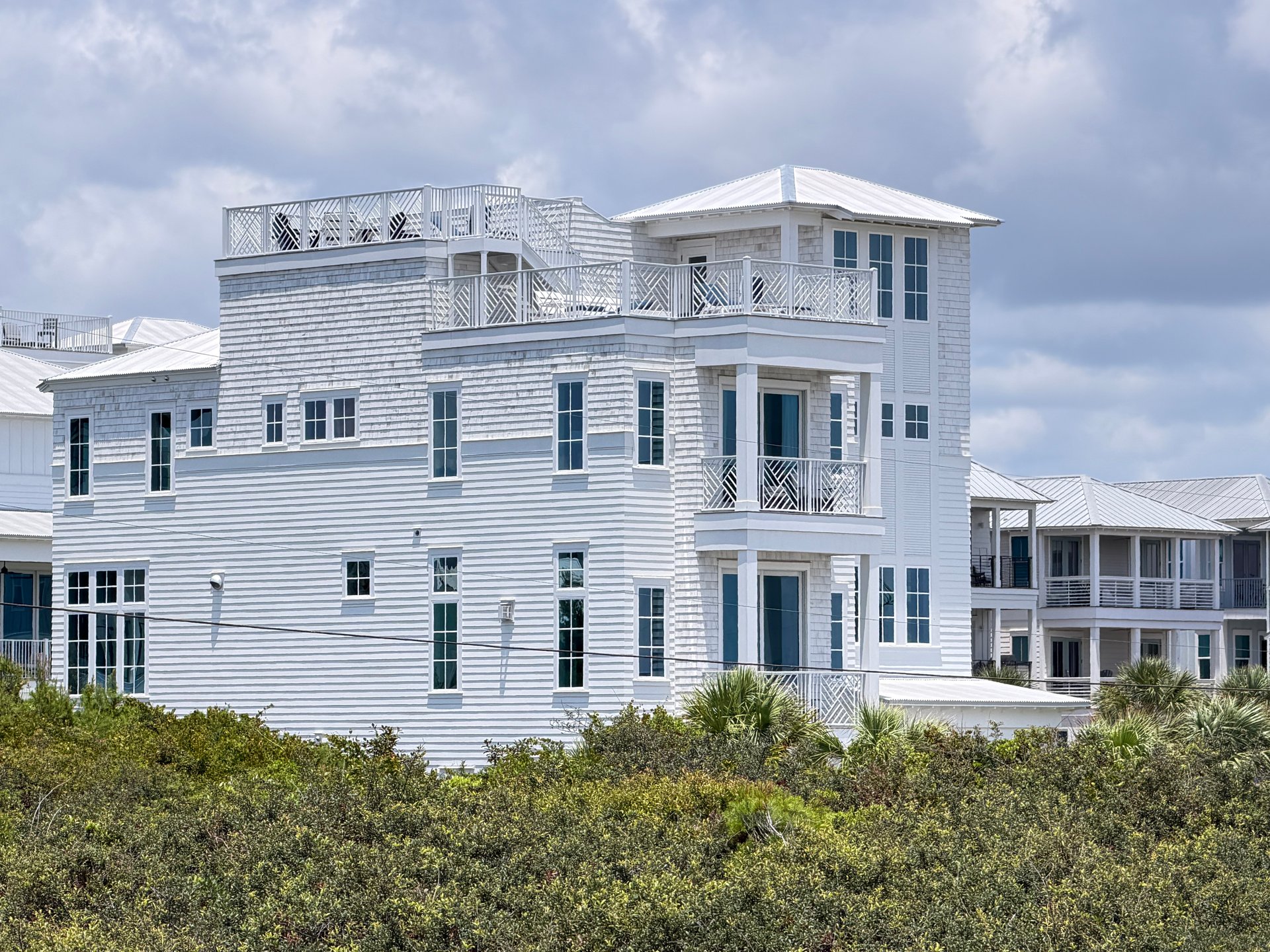
Are Short-Term Rentals Legal on 30A?
Short-term vacation rentals are permitted in many residential areas of unincorporated Walton County. However, Walton County’s general treatment of vacation rentals is only one part of the answer.
A property may still be restricted by:
- A homeowners association or condominium association
- Recorded covenants and deed restrictions
- Minimum rental periods
- Rental caps or limits on the number of rentals per year
- Guest-registration and amenity-access policies
- Parking and occupancy limits
- Property-specific development approvals
- Insurance or lender requirements
This means two similar homes on the same side of 30A can have very different rental rights, operating expenses and income potential.
Buyers can start by viewing current 30A homes for sale, but rental eligibility must be investigated separately for every property.
The Four Approvals a 30A Vacation Rental May Need
Level | What must be checked | Why it matters |
|---|---|---|
Property and association | Declaration, covenants, amendments, rules, minimum stays, rental caps and guest policies | Private restrictions may be stricter than county rules. |
Walton County | Vacation-rental registration or applicable exemption, occupancy, parking, advertising and responsible-party requirements | County requirements depend on the property type and circumstances. |
State of Florida | DBPR licensing, safety requirements and Florida Department of Revenue registration | County approval does not replace state licensing. |
Taxes and operations | State sales tax, Walton County Tourist Development Tax, insurance, management and guest operations | Gross rental income is not the same as net profit. |
Walton County Vacation-Rental Registration
Walton County operates a Vacation Rental Registration Program. Relevant short-term vacation-rental properties must register annually and comply with the county’s current requirements.
As of July 14, 2026, the county lists the following registration fees:
- $300 per property for an individual initial or annual registration
- $227 per property for a community registration
- Additional fees for certain management or responsible-party changes
- Potential penalties for operating without required registration
These amounts can change. Owners should confirm the current fee and property classification directly with Walton County before applying.
Do 30A condos follow the same registration process?
Not necessarily. Walton County’s current FAQ states that condominiums are excluded from its county vacation-rental certification process under the county definition. However, a condo used as a transient rental may still need Florida DBPR licensing, Florida Department of Revenue registration and Walton County Tourist Development Tax registration.
This distinction is important. A buyer should not assume that a condo is free from all rental requirements merely because it may be excluded from one county certification process.
What is the 2026 renewal schedule?
Walton County announced a transition that generally aligns county registration renewals with the Florida DBPR District 6 renewal cycle on June 1. The county says properties outside ZIP code 32459 are moving to that schedule, while properties in ZIP code 32459 remain on their existing cycle until the county provides further notice.
Because much of Santa Rosa Beach and western 30A uses ZIP code 32459, owners should verify their actual expiration and renewal date instead of assuming every 30A property renews at the same time.
Occupancy, Parking and Local-Contact Requirements
Walton County’s vacation-rental requirements address more than registration. Depending on the property and its classification, owners may need to comply with rules covering occupancy, parking, trash, advertising, emergency information, safety and local response.
Occupancy
Walton County currently describes maximum occupancy for covered rental houses as one person per 150 square feet of applicable living area, or a lower maximum established during certification. The approved occupancy should be confirmed for the individual property.
A large bedroom count in a real estate listing does not automatically establish how many guests the property may legally advertise or accommodate.
Parking
Existing properties generally establish available parking through the certification process. The county’s current FAQ says newly constructed units subject to the ordinance require parking based on the applicable square-footage standard. Rental advertising must accurately represent the approved number of vehicles and available parking spaces.
Parking deserves serious attention on 30A. A home may sleep a large group but have space for only a few vehicles. Street parking may be prohibited or impractical, and overcrowded parking can create guest complaints, association violations and neighborhood disputes.
Local responsible party
Covered properties may need a locally available responsible party who can:
- Be reached 24 hours a day
- Address problems involving the property
- Respond at the rental address within the required time
- Monitor parking, trash and general compliance
- Arrange backup coverage when unavailable
Walton County currently states that the responsible party must be willing and able to reach the property within one hour after notification and monitor the rental at least weekly. Owners should review the complete current requirements on the Walton County vacation-rental FAQ page.
Can a 30A HOA Prohibit Short-Term Rentals?
Private community restrictions can affect or prevent short-term rental use even when vacation rentals are generally permitted by Walton County. The exact result depends on the recorded declaration, covenants, amendments, association rules, property type and applicable Florida law.
Before buying, request and review:
- The complete declaration or covenants
- All recorded amendments
- Current rules and regulations
- The association’s written rental policy
- Minimum-stay requirements
- Rental caps or waiting periods
- Guest-registration procedures
- Parking and occupancy rules
- Pet restrictions
- Rules for pools, beach access and other amenities
- Management-company requirements
- Recent board-meeting minutes discussing rental changes
Do not rely on “rentals allowed” as a complete answer. A community may allow rentals but require seven-night, 30-day or longer stays. It may restrict guest amenity access, require approved management, limit the number of rental periods, or impose rules that materially affect income.
If the documents are unclear or rental rights are central to the purchase, consider having a qualified Florida real estate attorney review them before the inspection period expires.
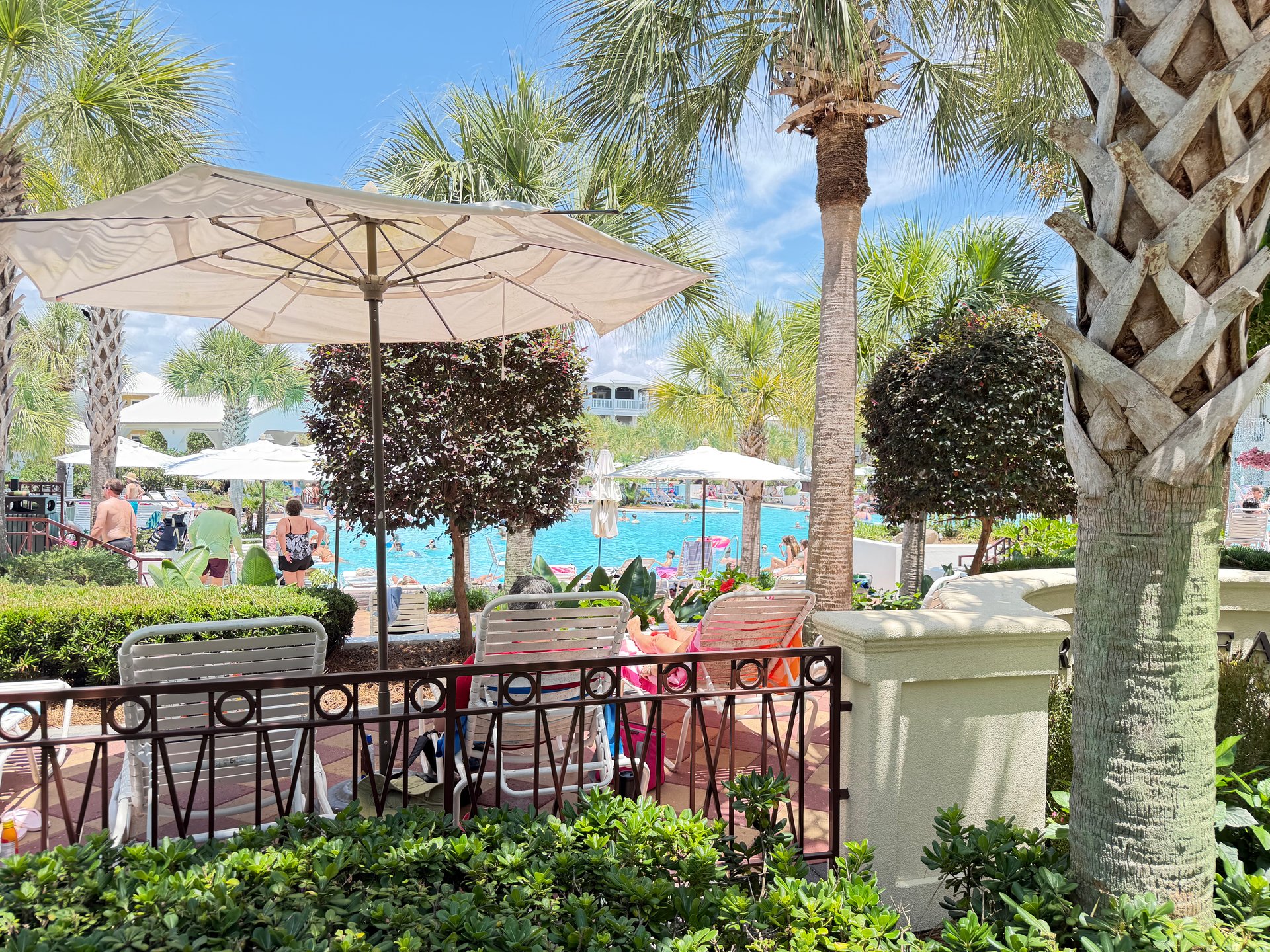
Rental Rules Vary Across 30A Communities
Rosemary Beach, Alys Beach, Seacrest, Inlet Beach, WaterSound, Seagrove, Seaside, WaterColor, Grayton Beach, Blue Mountain Beach, Gulf Place and Dune Allen are not interchangeable rental markets.
Each community can differ in:
- Purchase price
- Rental restrictions
- Beach-access rights
- Guest amenity access
- Walkability
- Parking
- HOA costs
- Management requirements
- Seasonal demand
- Resale buyer pool
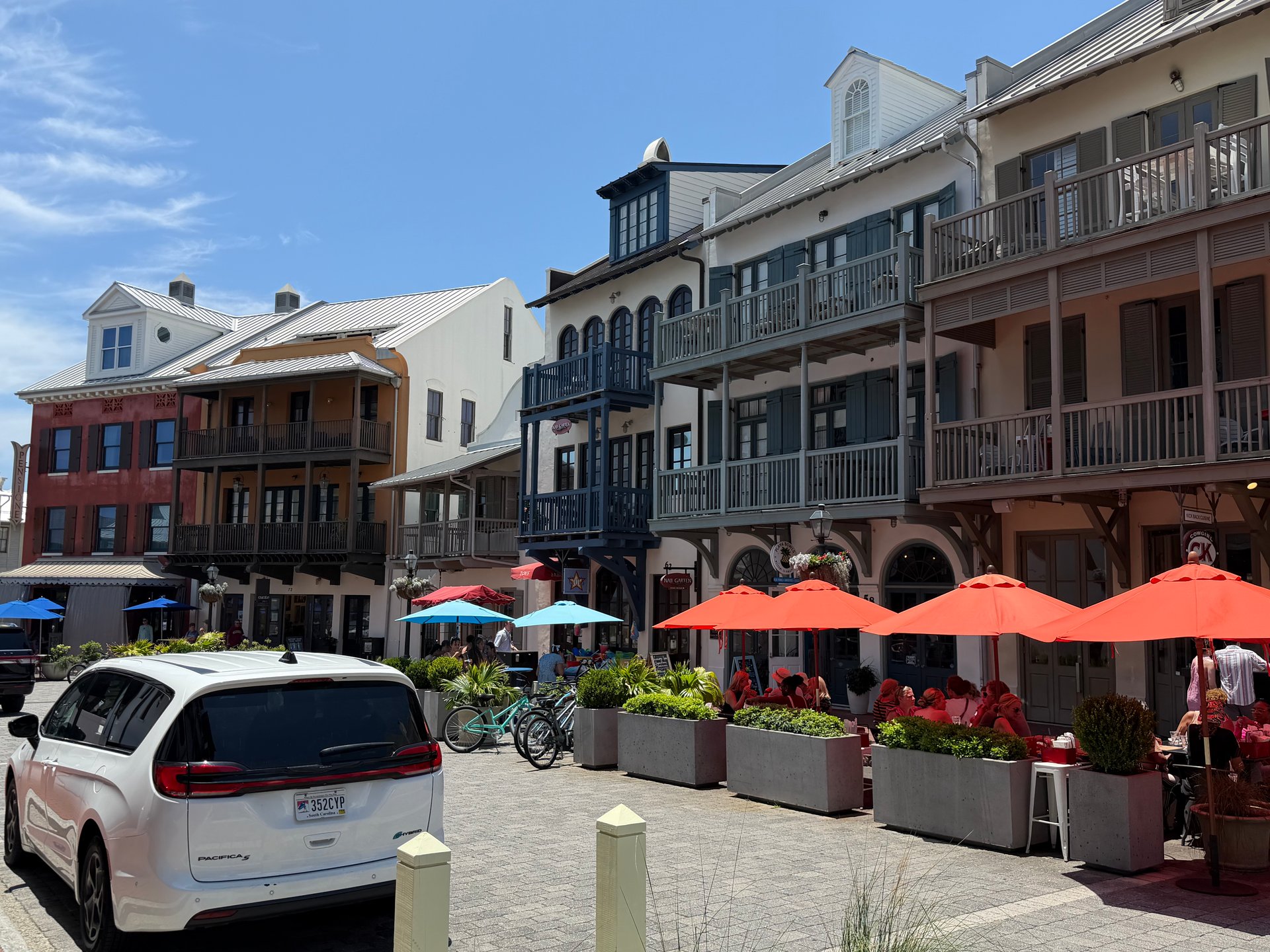
Use the 30A real estate neighborhood comparison to compare the major beach communities. Buyers can also explore separate guides for 30A East and 30A West.
For community-specific examples, read:
Florida DBPR Vacation-Rental Licensing
Florida’s Department of Business and Professional Regulation licenses qualifying vacation rentals. The applicable classification generally depends on whether the property is a condominium unit or a dwelling such as a single-family home, townhouse, duplex, triplex or similar residential unit.
The DBPR license is separate from Walton County registration and association approval. Owners should review the Florida DBPR Vacation Rental and Timeshare Project Guide and confirm which license applies to their property.
A change of ownership may require a new application or other updates. Buyers should not assume the seller’s license automatically transfers with the real estate.
What Taxes Apply to a 30A Vacation Rental?
Vacation-rental owners may have multiple tax-registration and remittance responsibilities.
Florida sales tax
The Florida Department of Revenue states that Florida’s 6% state sales tax, plus any applicable discretionary sales surtax, applies to taxable rentals of living or sleeping accommodations for six months or less.
Walton County Tourist Development Tax
The Walton County Clerk of Courts currently lists a 5% Tourist Development Tax rate for short-term rentals south of Choctawhatchee Bay, including the principal South Walton ZIP codes serving the 30A area.
The county states that the tax applies to the rent charged plus applicable required, nonrefundable fees such as cleaning, pet and resort fees.
The Walton County Clerk also currently warns owners that it is not contracted with Airbnb, HomeAway or VRBO to receive Walton County Tourist Development Tax on the owner’s behalf. Owners should verify exactly what each platform collects, what it remits and what returns the owner or manager must still file.
Do not treat tax collection as automatic simply because a property is listed on a major booking platform.
How to Verify Rental Rights Before Buying
A serious 30A vacation-rental buyer should complete these checks before the due-diligence period ends:
- Confirm the property type and jurisdiction. Determine whether it is a single-family home, townhome, condominium or another ownership structure.
- Read the complete association documents. Search for rental, lease, transient occupancy, hotel use, commercial use, guest and amenity provisions.
- Request written rental confirmation. Do not depend entirely on the listing remarks or a verbal answer.
- Verify county registration. Determine whether the property needs individual or community registration or falls under a specific exemption.
- Verify the DBPR license. Confirm whether the current license is active and what must happen after closing.
- Confirm tax accounts. Review Florida Department of Revenue and Walton County TDT requirements.
- Check approved occupancy and parking. Compare legal capacity with the number used in rental projections.
- Review actual rental performance. Ask for monthly statements, booking calendars, owner-use dates, nightly rates, occupancy and cancellations.
- Identify every operating expense. Include management, cleaning, utilities, repairs, supplies, insurance, taxes, HOA fees, platform charges and reserves.
- Check beach and amenity access. Confirm what owners and rental guests can use and whether extra fees apply.
- Obtain insurance quotes. Do this before the inspection period expires. Coastal coverage can materially affect the investment.
- Review flood exposure and property condition. Start with the Panama City Beach and 30A flood-zone guide, then verify the individual parcel and elevation information.
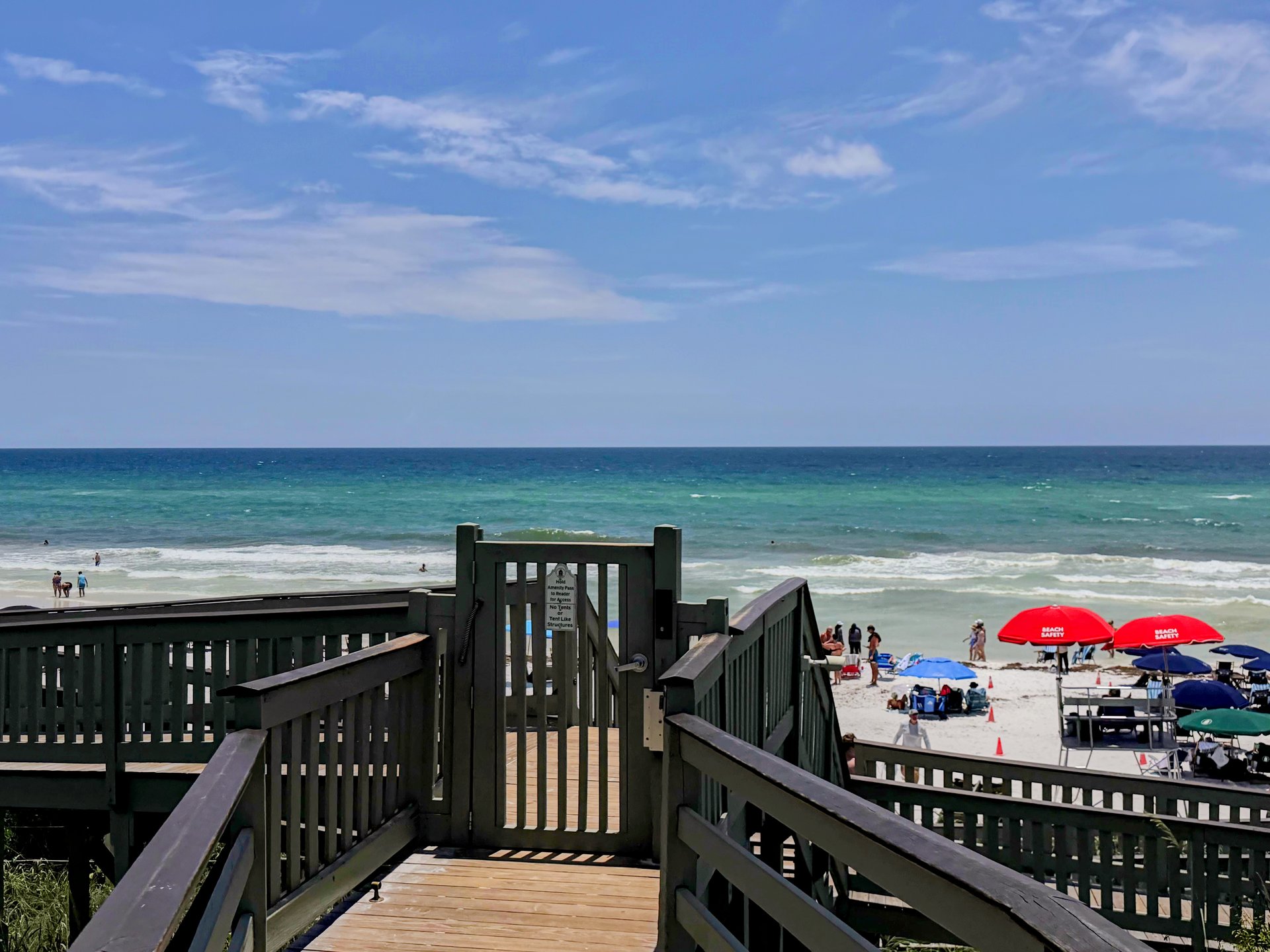
Rental Projections Are Not Guaranteed Income
A rental projection can help compare properties, but it should not be treated as a promise. Projections may assume aggressive nightly rates, strong occupancy, limited owner use or expenses that are lower than the property will actually experience.
Ask what the projection includes and excludes:
- Management fees
- Cleaning expenses
- HOA or community fees
- Insurance
- Property taxes
- Utilities and internet
- Pool and landscaping service
- Furniture replacement
- Repairs and coastal maintenance
- Platform and credit-card charges
- Owner-use dates
- Seasonal vacancies
A property can produce impressive gross revenue while delivering a much smaller net return. The purchase should still make sense after realistic expenses, financing and maintenance reserves are included.
Common Mistakes 30A Vacation-Rental Buyers Make
- Assuming every 30A home can be rented short term
- Accepting “rentals allowed” without checking minimum stays
- Trusting listing remarks instead of recorded documents
- Using gross revenue as estimated profit
- Ignoring parking and approved occupancy
- Assuming beach access is included
- Waiting until after closing to obtain insurance quotes
- Failing to investigate HOA changes or proposed amendments
- Assuming licenses and registrations transfer automatically
- Believing Airbnb or VRBO handles every tax obligation
- Buying a property that does not fit the expectations of 30A guests
Where Emerald Beach Rentals Fits
Finding a property that allows vacation rentals is only the beginning. The property must also be priced, marketed, cleaned, maintained and supported correctly.
Emerald Beach Rentals provides local vacation-rental property management for owners in Panama City Beach and along 30A. Services include guest communication, cleaning coordination, maintenance follow-up, marketing, seasonal pricing and hands-on local support.
As a local Realtor® and co-owner of Emerald Beach Rentals, I see both sides of the decision. A property must work as real estate, but it also needs to function for guests, cleaners, maintenance providers and the owner.
Before purchasing, it can be helpful to speak with a local manager about:
- Realistic rental demand
- Likely nightly-rate ranges
- Seasonality
- Guest expectations
- Cleaning logistics
- Parking limitations
- Furniture and setup costs
- Management expenses
- Maintenance risks
- How the property compares with competing rentals
Rental performance varies by property, and no manager can guarantee future income. However, an operational review before buying can expose problems that may not be obvious in the listing photos.
Property owners can contact Emerald Beach Rentals at 850-708-4466 to discuss local vacation-rental management.
Frequently Asked Questions About 30A Short-Term Rentals
Are Airbnb and VRBO rentals allowed on 30A?
They are allowed at many 30A properties, but not every property qualifies. Buyers must verify Walton County requirements, Florida licensing, taxes, association documents and property-specific restrictions.
Does every 30A neighborhood permit short-term rentals?
No. Rules can vary by community, association and property. Some neighborhoods permit frequent vacation rentals, while others require longer minimum stays or restrict transient use.
Can an HOA stop me from renting a 30A home short term?
Association documents may regulate or prohibit certain rental activity. The enforceability and application of a restriction can depend on the documents, amendment history, ownership timing and Florida law. Obtain property-specific legal advice when necessary.
Do I need a Walton County vacation-rental registration?
Many covered vacation-rental dwellings require annual county registration. Walton County currently states that condominiums are excluded from its county certification process, but other state and tax registrations may still apply. Confirm the requirements for the exact property with Walton County.
Do I need a Florida DBPR license?
Many qualifying Florida vacation rentals need a DBPR license. The license classification generally depends on whether the property is a condominium or dwelling. Verify the current requirement directly with DBPR.
What is the Walton County Tourist Development Tax?
The Walton County Clerk currently lists a 5% Tourist Development Tax for short-term rentals south of Choctawhatchee Bay. It may apply to rent and required nonrefundable charges. State sales tax and any applicable surtax are separate.
Does Airbnb or VRBO pay all the taxes for a 30A owner?
Do not assume so. The Walton County Clerk currently states that it is not contracted with Airbnb, HomeAway or VRBO to receive Walton County TDT on behalf of owners. Verify platform collection and filing responsibilities with the county and a qualified tax professional.
Which 30A community is best for vacation-rental investment?
There is no single best community for every buyer. The answer depends on purchase price, rental rules, beach access, parking, amenities, HOA costs, property condition, management expenses, owner use and resale goals.
Can I use the seller’s rental history to predict future income?
Rental history is helpful, but it is not a guarantee. Results can change with management, pricing, reviews, property condition, competition, owner use, weather, regulations and market demand.
Should I choose a 30A house or condo for vacation rentals?
Both can work, but they operate differently. Houses may offer private pools, more bedrooms and additional outdoor space. Condos can provide shared amenities and lower exterior-maintenance responsibility. Association fees, rental policies, insurance, parking and guest experience should all be compared.
Ready to Compare 30A Vacation-Rental Properties?
The right 30A property should fit your personal-use goals, financial plan and tolerance for operating risk. Rental permission alone does not make a property a good investment.
I help buyers compare 30A homes, condos, second homes and vacation-rental opportunities with attention to the details that matter: purchase price, rental rules, HOA documents, beach access, parking, insurance, property condition, realistic rental potential and future resale.
Roger Rietsema, Realtor®
Allison James Estates & Homes
Serving Panama City Beach, 30A and surrounding Gulf Coast communities
Call or text: 850-596-5844
Website: SellFL.net
Contact: Ask Roger about a 30A property
About the Author
Written by Roger Rietsema
Realtor® with Allison James Estates & Homes
23+ years of real estate experience
Serving Panama City Beach, 30A, Santa Rosa Beach, Inlet Beach, Rosemary Beach, Alys Beach, Seacrest, WaterSound and surrounding communities.
Roger works with buyers, sellers, second-home owners and real estate investors. His experience with vacation-rental operations helps clients look beyond listing photos and evaluate rental rules, guest appeal, management, maintenance, insurance, parking, beach access and ownership risk.
About Roger | Facebook | Instagram | LinkedIn | YouTube | X
Official Sources
- Walton County Vacation Rental Registration Program
- Walton County Vacation Rental FAQs
- Walton County Tourist Development Tax
- Florida DBPR Vacation Rental Licensing Guide
- Florida Department of Revenue Transient Rental Tax Guide
Important: Rental rules, licenses, taxes, registration fees, HOA restrictions, insurance requirements and operating standards can change. Buyers and owners should verify current property-specific information with Walton County, Florida DBPR, the Florida Department of Revenue, the Walton County Clerk, the applicable association, an insurance professional, a tax professional and legal counsel before purchasing or operating a short-term rental.