1) More buyers qualify (demand goes up)
When rates drop, the same monthly payment buys more house.
Example:
-
$2,500/mo might qualify someone for $350k at 7%
-
but $410k at 6% (rough numbers)
So more buyers enter the market, and existing buyers can shop higher price points.
Result: more showings, more offers, more competition.
2) Home prices often rise (or stop falling)
If demand increases faster than supply, prices usually:
-
stop declining
-
stabilize
-
or start climbing again
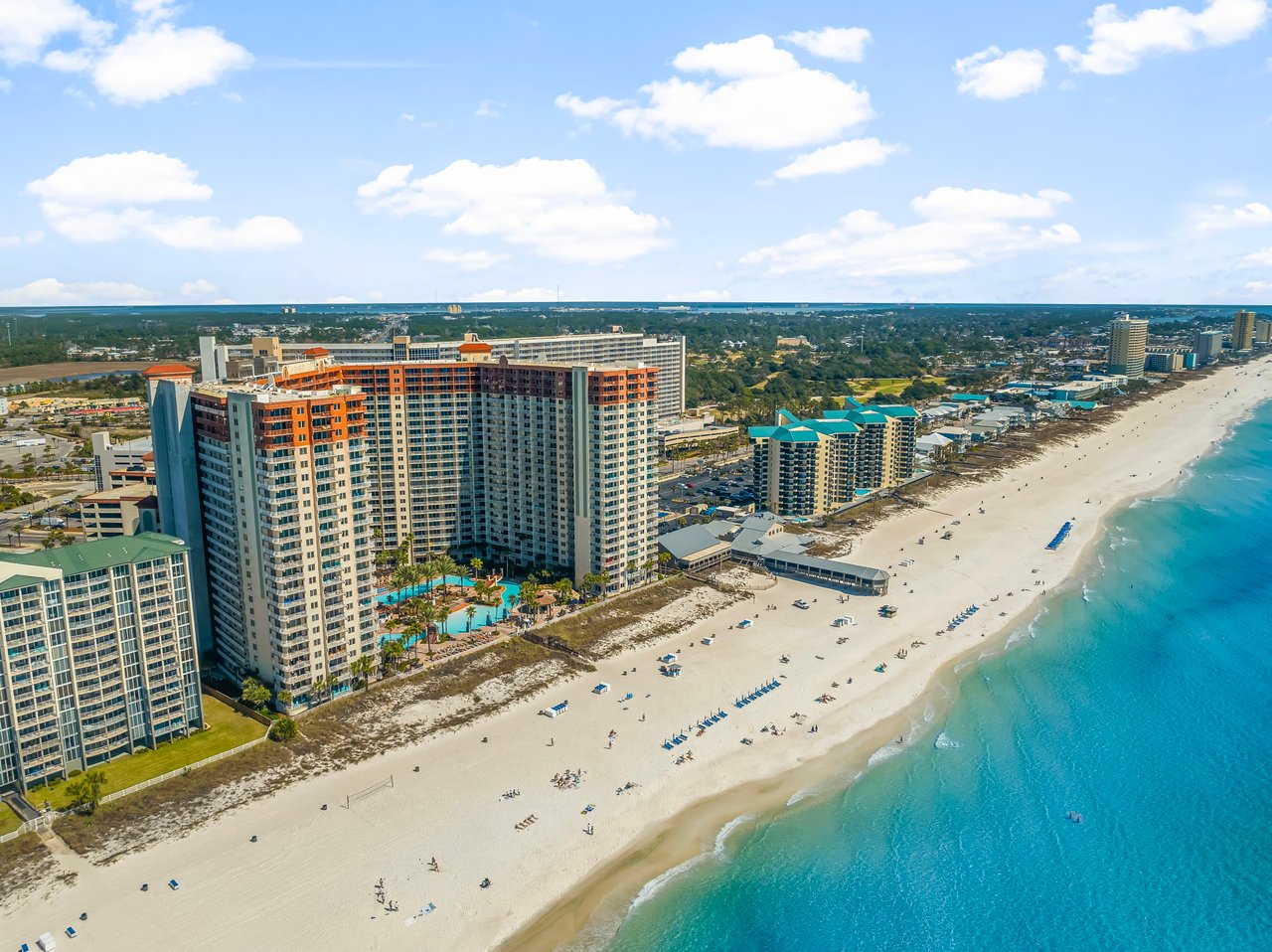
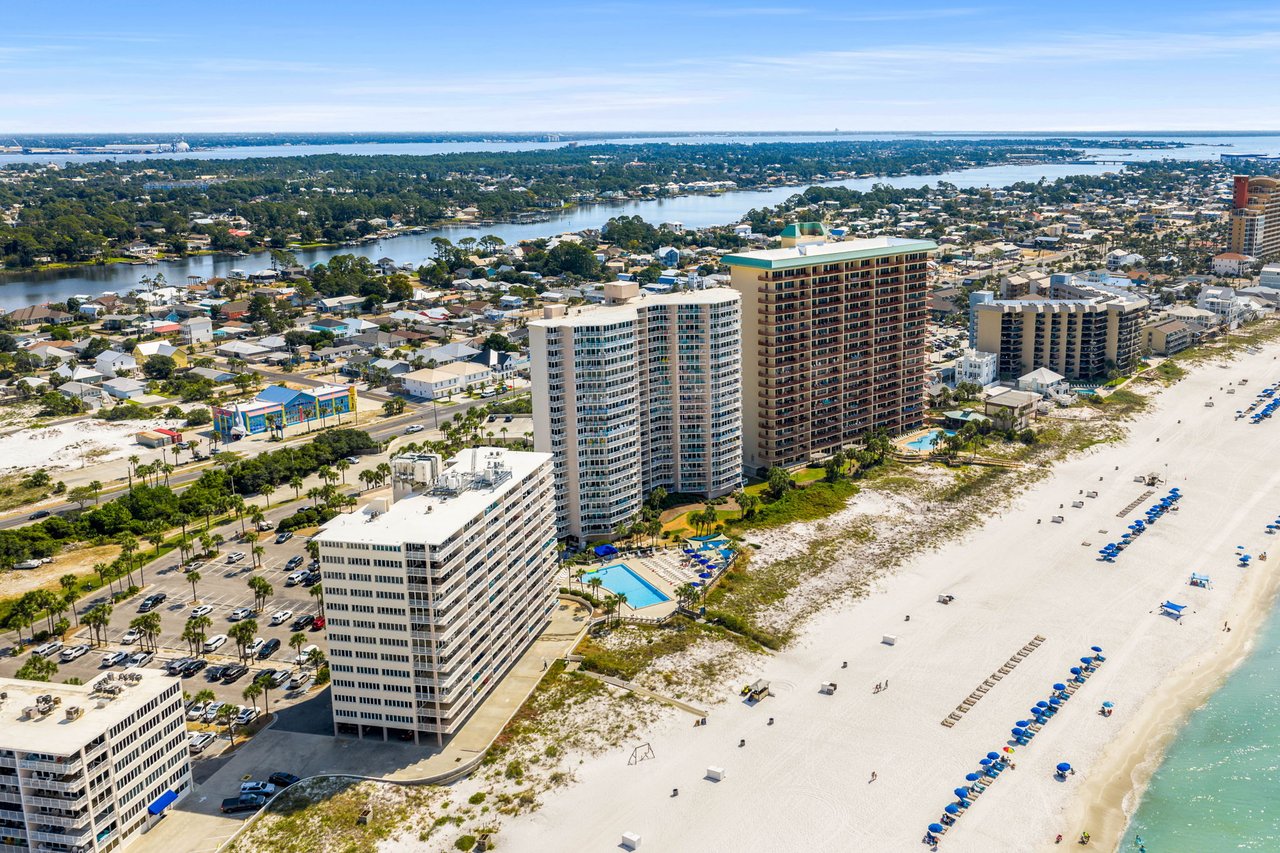
This is especially true in high-demand markets like beach areas and second-home markets, where buyers are already motivated.
3) More homes sell (sales volume increases)
Even if prices don’t skyrocket, lower rates typically increase:
-
buyer activity
-
closings
-
move-up buyers
Result: more transactions.
4) Refinancing opens up
When rates fall, homeowners refinance to lower payments.
That increases:
-
disposable income
-
consumer spending
-
overall confidence
It’s a broader economic tailwind.
5) BUT: It can keep inventory tight (less supply)
This is the weird part.
If a lot of homeowners are sitting on 3–4% mortgages, a small rate drop (like from 7% to 6.5%) doesn’t motivate them to sell.
They’ll still think:
“Why would I trade my 3.2% loan for 6.5%?”
So inventory can stay tight, which pushes prices up more once buyers return.
6) Builders benefit
Lower rates help:
-
buyers afford new construction
-
builders fund projects more cheaply
So rate cuts can slowly increase supply… but it takes time.
What this means in real life
If rates drop a little
-
Buyers surge back in
-
Prices stop dropping
-
Multiple offers return (especially good properties)
If rates drop a lot
-
Strong price growth again
-
Sellers get confident
-
Market heats up fast
Bottom line
Lower interest rates typically lead to:
✅ More buyers
✅ More sales
✅ Higher home prices (or stabilizing prices)
✅ More competition
✅ Better investor math (cash flow improves)