Quick Answer
A reliable vacation-rental real estate agent should understand short-term-rental regulations, HOA and condominium restrictions, insurance, property-management expenses, and the difference between projected gross revenue and potential net income.
Before you make an offer, the agent should help verify that rentals are permitted, review the available property and association information, identify total ownership costs, and compare realistic income expectations with expenses and possible downtime.
Buying a vacation rental is not the same as buying a primary home.
When you’re purchasing a short-term rental (STR) property—whether it’s a beach condo, resort home, or investment property—you need more than an agent who can schedule showings and negotiate a contract. You need a real estate professional who understands short-term rental rules, HOA restrictions, insurance costs, and what makes a property perform well as a vacation rental.
This guide will show you exactly how to find a reliable vacation rental real estate agent, what questions to ask, and what red flags to avoid—so you can buy the right property with confidence.
What Makes a Vacation Rental Agent Different?
A traditional buyer’s agent focuses on:
comparable sales (comps)
neighborhood features
inspections and repairs
timelines and negotiations
A vacation property specialist should also understand:
HOA/COA rules and rental restrictions
zoning and local short-term rental regulations
seasonality and booking demand
expected operating costs (HOA fees, insurance, utilities, maintenance)
property performance features (pool, proximity to beach, amenities, parking, etc.)
If your agent can’t speak confidently about these areas, they are not truly specialized in vacation properties.
The Best Places to Find a Vacation Rental Real Estate Agent
If you want the best results, don’t start with random portals. Start with sources that are connected to real STR buyers.
1) Property Managers (Best Option)
Local vacation rental property managers know which agents:
consistently close investor deals
understand rental performance
handle condo/HOA restrictions properly
Ask this:
“Which agent do you see closing the most vacation rental purchases with serious buyers?”
2) Local Investor Communities
Look in:
Facebook investor groups for your market
BiggerPockets forums
local real estate meetups
Investors will tell you which agents understand STR numbers and don’t waste time.
3) Airbnb / Vrbo Owner Referrals
This one is powerful:
Message high-performing hosts in the area and ask:
“Who helped you buy your rental property?”
4) Google Reviews
Search for:
vacation rental real estate agent + (your city)
STR real estate agent + (your city)
investment property agent + (your city)
Then read reviews carefully. You want reviews that mention:
investment property, rental income, STR, vacation rental, Airbnb, ROIu
10 Questions to Ask Before Hiring an Agent (Copy/Paste Checklist)
These questions will reveal very quickly who is a true STR specialist.
How many vacation rentals or STR properties have you helped buyers purchase in the last 12 months?
What percentage of your business is focused on vacation rental buyers or investors?
What are the most common HOA restrictions in this market?
Examples: rental minimums, rental caps, waitlists, pet restrictions.Which communities or buildings are best for short-term rentals—and which should be avoided?
Can you confirm STR eligibility before I make an offer?
This includes HOA documents and local rules.Can you share 2–3 examples of recent vacation rental purchases you helped close?
How do you evaluate potential STR income?
A reliable agent uses data and realistic assumptions.What expenses do buyers often underestimate?
Great agents mention HOA, insurance, utilities, maintenance, reserves, and furnishings.Do you work with STR-friendly lenders and insurance providers?
Coastal STR purchases often require specialized lending and insurance.What’s your process for reviewing HOA/COA reserves and special assessments?
This matters more than most buyers realize—especially in condo buildings.
If an agent struggles to answer these questions, you should keep looking.
Red Flags That Signal the Wrong Agent
Here are warning signs that you’re not dealing with a vacation rental specialist:
They promise income or guarantee returns
They can’t explain HOA/COA rules
They avoid talking about operating expenses
They recommend properties without verifying STR restrictions
They don’t mention special assessments, reserves, or building financial health
They only focus on how “nice” the property looks
With STR purchases, details matter. A reliable agent should be cautious, specific, and data-driven.
What a Reliable Vacation Rental Agent Should Do for You
A strong STR agent should help you:
identify STR-approved areas and buildings
confirm rental rules before you offer
review HOA docs and restrictions
estimate costs accurately
connect you with quality local professionals
A good agent protects you from buying the wrong property. A great agent helps you buy the right one.
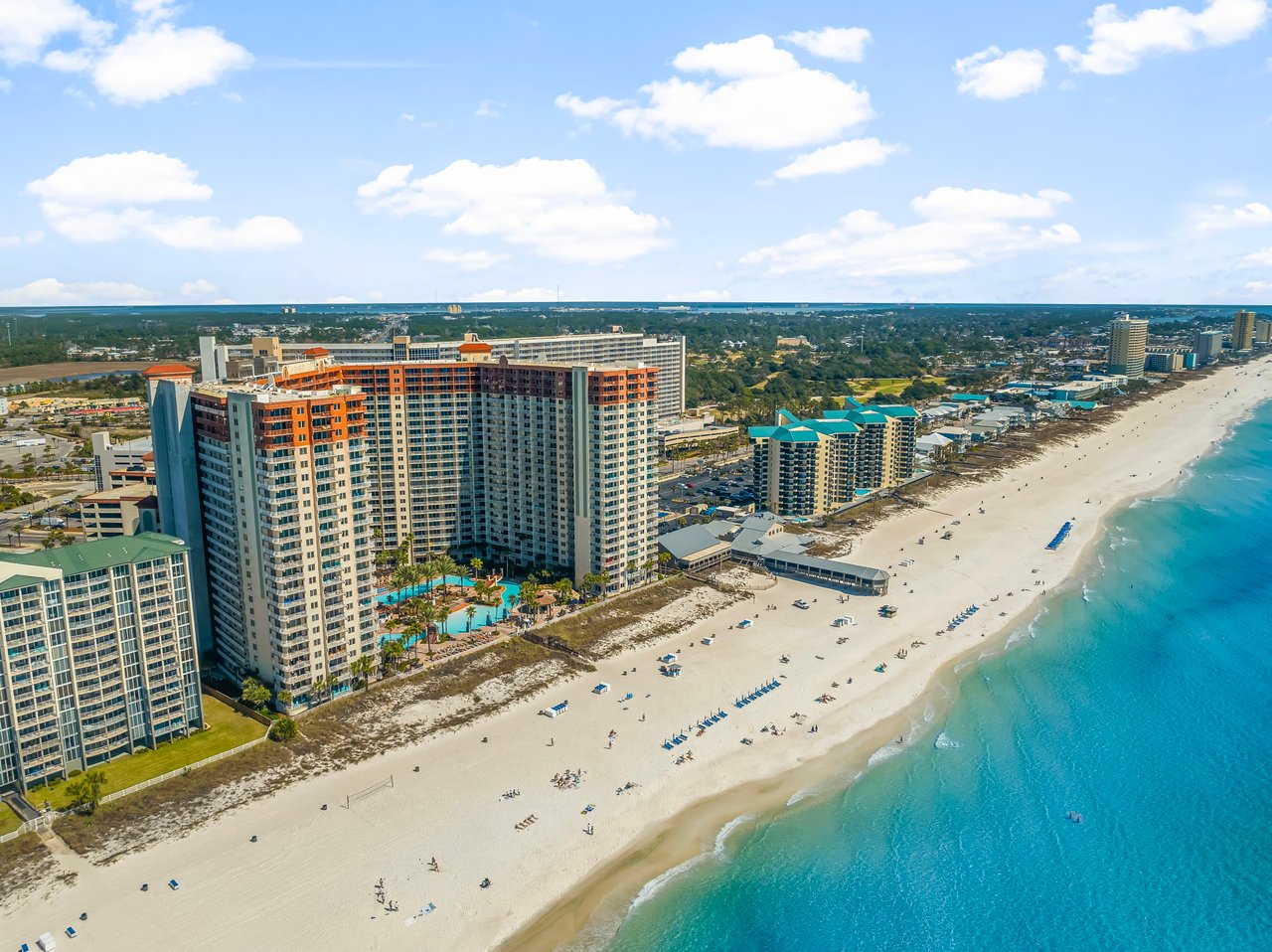
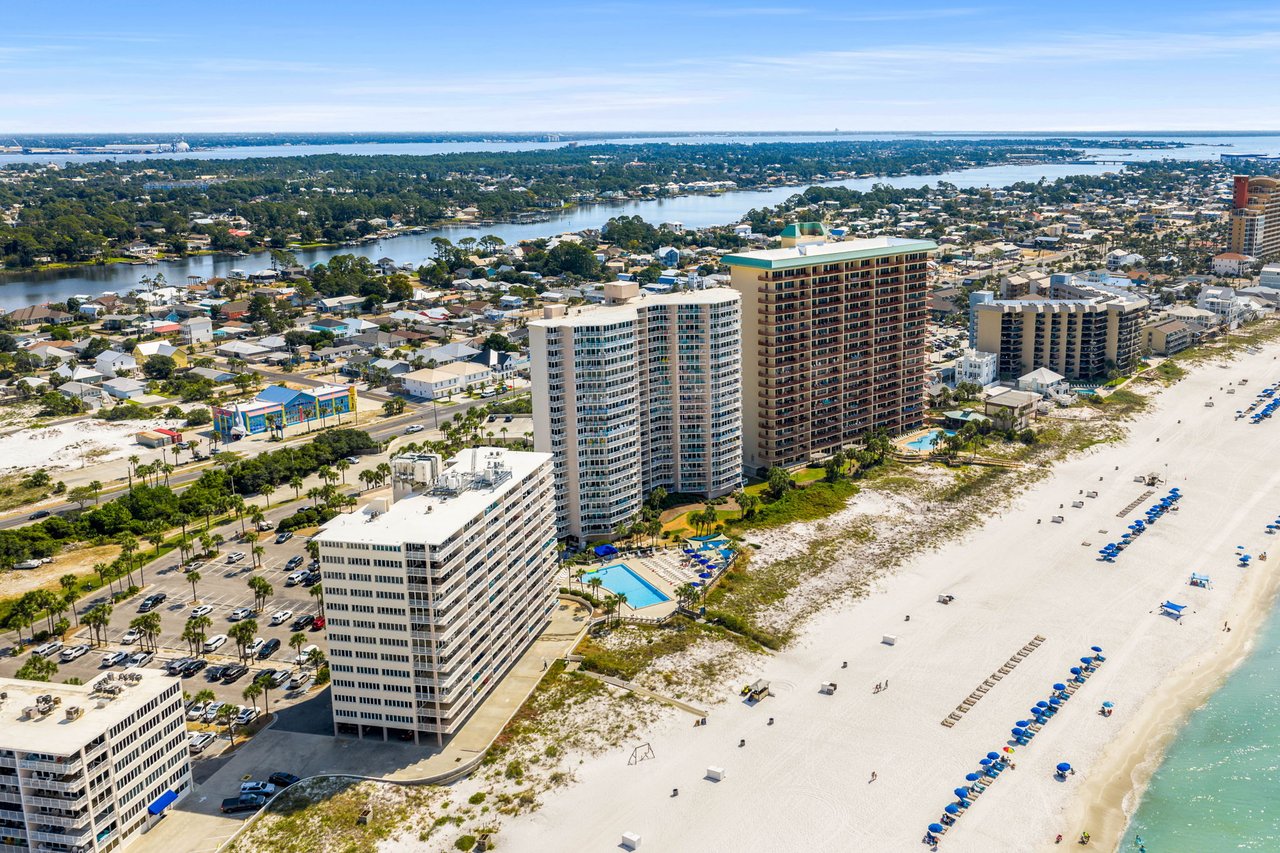
Vacation Rental Markets Like Panama City Beach and 30A Require Local Expertise
In coastal markets like Panama City Beach and 30A, vacation rental success often comes down to:
exact location (walkability, beach access, attractions)
building rules
amenity packages (pools, elevators, parking, storage)
seasonality patterns
insurance and maintenance realities near the Gulf
This is why choosing the right agent matters so much. Two properties can look similar online—but have very different rental potential and long-term value.
Work With a Vacation Rental Specialist in Panama City Beach & 30A
If you’re planning to buy a vacation rental property in Panama City Beach, 30A, or Destin, I can help you:
find STR-friendly properties
compare multiple options clearly
avoid HOA restriction traps
review cost expectations before you buy
negotiate smart for long-term investment value
Roger Rietsema Realtor
📞 Call/Text: 850-596-5844
🌐 https://SellFL.net

A vacation rental should be evaluated for rental rules, expenses, insurance, management needs, and realistic income potential—not appearance alone.
Frequently Asked Questions
What should a vacation-rental real estate agent understand?
A qualified agent should understand local short-term-rental regulations, condominium and HOA restrictions, insurance considerations, management expenses, seasonal demand, and the difference between projected gross revenue and potential net income.
How can I verify that short-term rentals are permitted?
Review current city or county regulations along with the condominium declaration, HOA documents, and rental rules. Obtain current information in writing whenever possible and consult a qualified Florida real estate attorney when legal interpretation is needed.
What is the difference between gross and net rental income?
Gross rental income is the total revenue collected before expenses. Potential net income accounts for management fees, insurance, utilities, maintenance, taxes, supplies, association fees, repairs, and periods when the property is unavailable or unoccupied.
Should I rely on a rental-income projection?
A projection is an estimate, not a guarantee. Compare the assumptions with available rental history, competing properties, seasonal occupancy, nightly rates, management costs, and realistic operating expenses.
When should I contact a lender and insurance agent?
Contact them before making an offer or during the earliest possible due-diligence period. Financing and insurance requirements can affect whether a particular vacation-rental property is suitable for your plans.
Written by Roger Rietsema, Realtor®
Allison James Estates & Homes
Serving Panama City Beach and 30A
More than 23 years of real estate experience
Last reviewed: July 18, 2026
Real estate, rental, association, insurance, zoning, financing, income, and property information can change. Buyers should independently verify all property-specific information with the applicable municipality, association, lender, insurer, accountant, attorney, property manager, and other qualified professionals.